- Today
- Holidays
- Birthdays
- Reminders
- Cities
- Atlanta
- Austin
- Baltimore
- Berwyn
- Beverly Hills
- Birmingham
- Boston
- Brooklyn
- Buffalo
- Charlotte
- Chicago
- Cincinnati
- Cleveland
- Columbus
- Dallas
- Denver
- Detroit
- Fort Worth
- Houston
- Indianapolis
- Knoxville
- Las Vegas
- Los Angeles
- Louisville
- Madison
- Memphis
- Miami
- Milwaukee
- Minneapolis
- Nashville
- New Orleans
- New York
- Omaha
- Orlando
- Philadelphia
- Phoenix
- Pittsburgh
- Portland
- Raleigh
- Richmond
- Rutherford
- Sacramento
- Salt Lake City
- San Antonio
- San Diego
- San Francisco
- San Jose
- Seattle
- Tampa
- Tucson
- Washington
Caldwell Today
By the People, for the People
EGO Fishing Shares 10 Protocols for Sustainable Fish Handling
New standards aim to protect fish health and ecosystem during catch-and-release angling
Apr. 10, 2026 at 8:56pm
Got story updates? Submit your updates here. ›
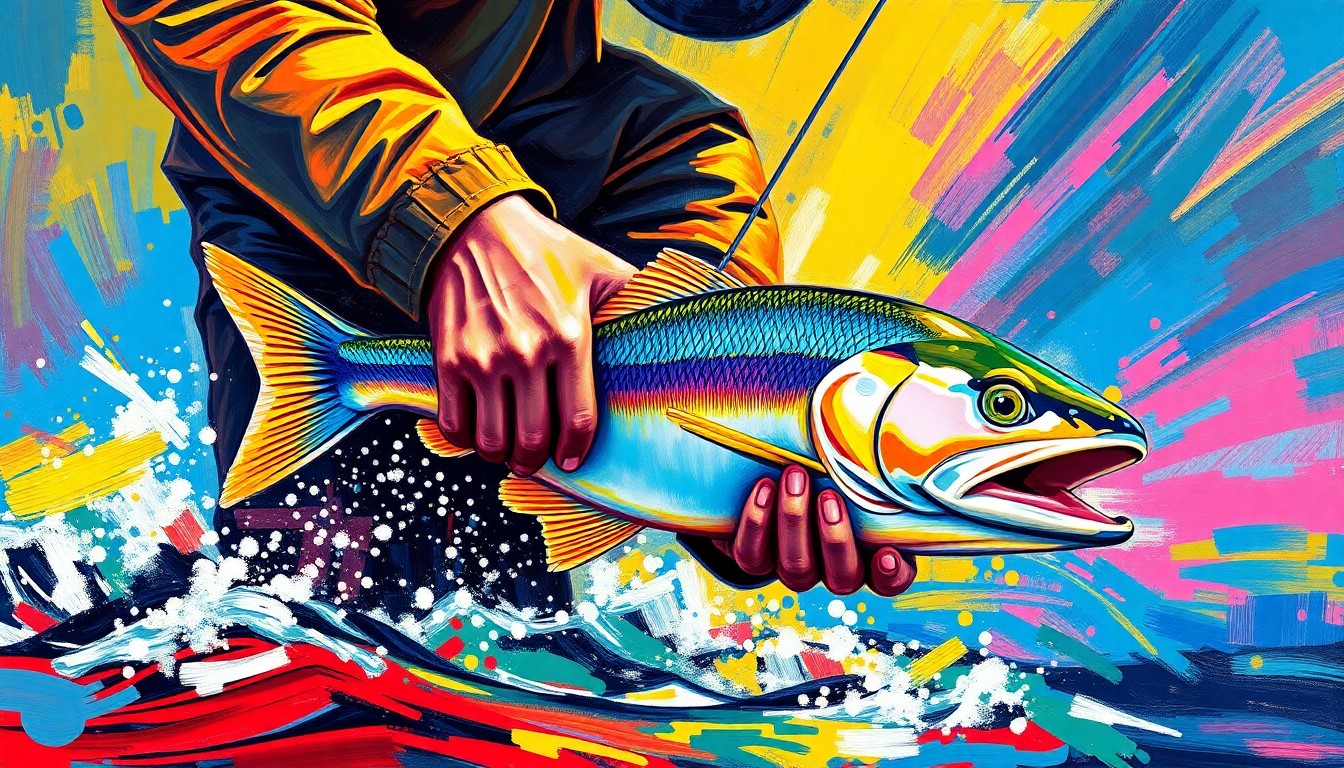 EGO Fishing's new protocols aim to protect fish health and ensure a sustainable future for recreational angling.Caldwell Today
EGO Fishing, a leading fishing gear brand, has established a set of 10 protocols for anglers to follow when handling fish during catch-and-release fishing. The protocols cover critical steps from pre-contact hydration to proper release techniques, all aimed at ensuring the long-term health and survival of fish populations.
Why it matters
As recreational fishing continues to grow, there is increasing pressure on fish populations. These new protocols from EGO Fishing provide a framework for anglers to minimize the impact of catch-and-release fishing and contribute to more sustainable fisheries management.
The details
The 10 protocols cover essential steps in the catch-and-release process, including pre-contact hydration, hook removal, air exposure time limits, and proper release techniques. EGO Fishing developed these standards in collaboration with fisheries biologists to ensure they are grounded in the latest scientific research on fish physiology and conservation.
- The protocols were established and announced on April 8, 2026.
The players
EGO Fishing
A leading manufacturer of fishing gear and accessories that has taken a leadership role in promoting sustainable angling practices.
What’s next
EGO Fishing plans to widely distribute the 10 protocols to anglers through its website, social media channels, and partnerships with fishing organizations to encourage widespread adoption.
The takeaway
These new fish handling protocols from EGO Fishing represent an important step forward in promoting more sustainable recreational angling practices. By prioritizing the health and survival of caught fish, anglers can play a vital role in preserving healthy fish populations for the future.