- Today
- Holidays
- Birthdays
- Reminders
- Cities
- Atlanta
- Austin
- Baltimore
- Berwyn
- Beverly Hills
- Birmingham
- Boston
- Brooklyn
- Buffalo
- Charlotte
- Chicago
- Cincinnati
- Cleveland
- Columbus
- Dallas
- Denver
- Detroit
- Fort Worth
- Houston
- Indianapolis
- Knoxville
- Las Vegas
- Los Angeles
- Louisville
- Madison
- Memphis
- Miami
- Milwaukee
- Minneapolis
- Nashville
- New Orleans
- New York
- Omaha
- Orlando
- Philadelphia
- Phoenix
- Pittsburgh
- Portland
- Raleigh
- Richmond
- Rutherford
- Sacramento
- Salt Lake City
- San Antonio
- San Diego
- San Francisco
- San Jose
- Seattle
- Tampa
- Tucson
- Washington
Trump Raises Global Tariffs to 15% After Court Setback
Controversial move could have wide-reaching effects on prices, supply chains, and international relations
Apr. 10, 2026 at 2:14am
Got story updates? Submit your updates here. ›
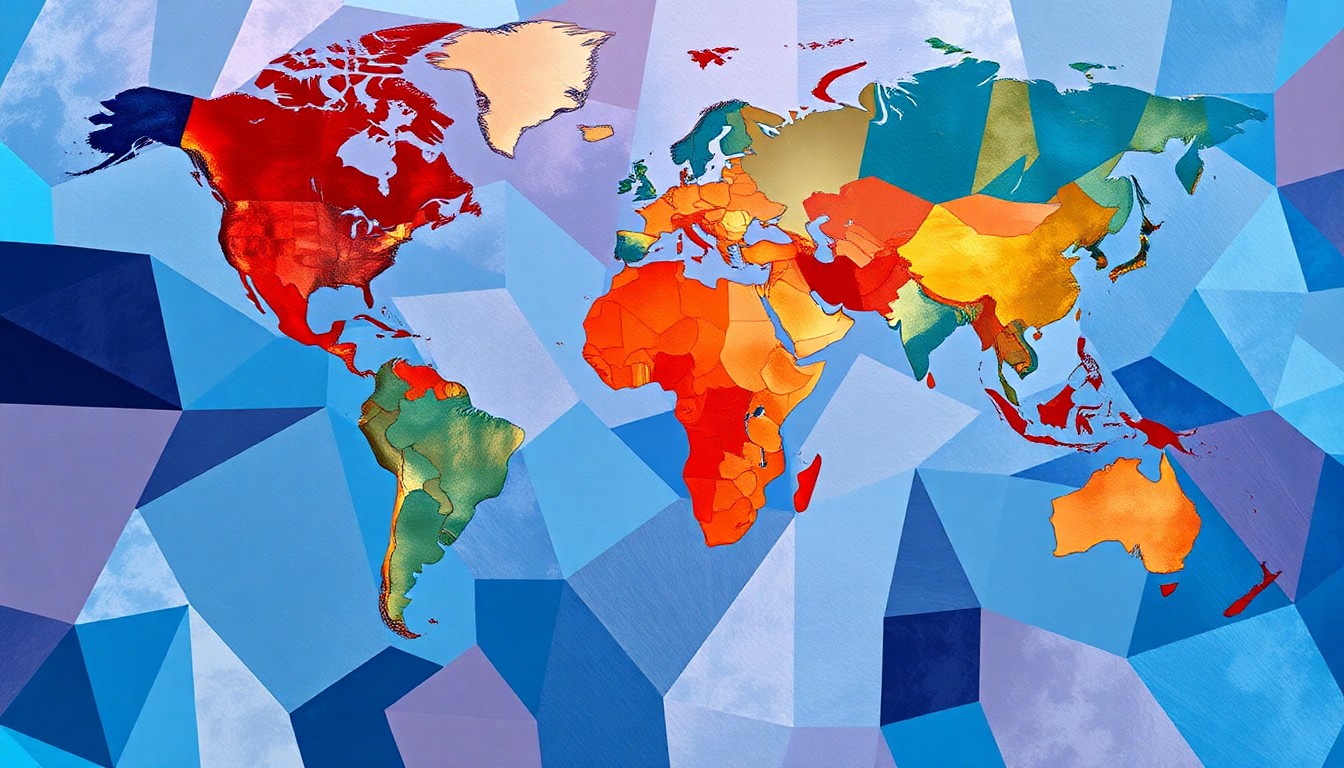 The global ripple effects of a sudden tariff hike could disrupt trade flows, consumer prices, and international cooperation.Boise Today
Former U.S. president Donald Trump announced a rise in the global tariff rate to 15 percent after losing a Supreme Court case. This sharp shift in trade policy could have wide-reaching effects on prices, supply chains, and international relations.
Why it matters
Raising tariffs to 15% can protect certain domestic industries but may also raise costs for manufacturers that rely on imported inputs, potentially offsetting any job gains with higher production costs. Consumers could see higher prices on imported goods or goods that rely on global components, while companies may rethink their sourcing strategies. Tariff increases often lead to retaliatory measures, sparking a cycle of trade friction that can affect global markets and diplomatic ties.
The details
After losing at the Supreme Court, former U.S. president Donald Trump announced a rise in the global tariff rate to 15 percent. This move signals a sharp shift in trade policy and could have wide-reaching effects. A tariff is a boundary tax on goods crossing borders, and raising it to 15% means imports become more expensive, potentially encouraging domestic production or prompting retaliation from trading partners.
- On April 10, 2026, Trump announced the tariff hike.
The players
Donald Trump
Former president of the United States who announced the tariff increase.
What’s next
The impact of the tariff hike will likely be felt in the coming months and years, as global trade patterns and consumer prices adjust to the new policy.
The takeaway
This tariff increase highlights the ongoing tensions between protecting domestic industries and maintaining open, competitive global markets. The consequences will ripple through the economy, affecting consumers, businesses, and international relations.
Boise top stories


Boise events

Apr. 10, 2026
United We Dance: The Ultimate Rave Experience
Apr. 10, 2026
All Campus Concert Band / Symphonic Winds
Apr. 10, 2026
JARV + RDGLDGRN with Damn Skippy