- Today
- Holidays
- Birthdays
- Reminders
- Cities
- Atlanta
- Austin
- Baltimore
- Berwyn
- Beverly Hills
- Birmingham
- Boston
- Brooklyn
- Buffalo
- Charlotte
- Chicago
- Cincinnati
- Cleveland
- Columbus
- Dallas
- Denver
- Detroit
- Fort Worth
- Houston
- Indianapolis
- Knoxville
- Las Vegas
- Los Angeles
- Louisville
- Madison
- Memphis
- Miami
- Milwaukee
- Minneapolis
- Nashville
- New Orleans
- New York
- Omaha
- Orlando
- Philadelphia
- Phoenix
- Pittsburgh
- Portland
- Raleigh
- Richmond
- Rutherford
- Sacramento
- Salt Lake City
- San Antonio
- San Diego
- San Francisco
- San Jose
- Seattle
- Tampa
- Tucson
- Washington
Sioux City Today
By the People, for the People
Army Corps Warns of Hydropower and Recreation Impacts as Drought Persists in Missouri River Basin
Federal officials say the basin's fourth year of drought could affect power generation and river access in upper basin states.
Apr. 8, 2026 at 9:51pm
Got story updates? Submit your updates here. ›
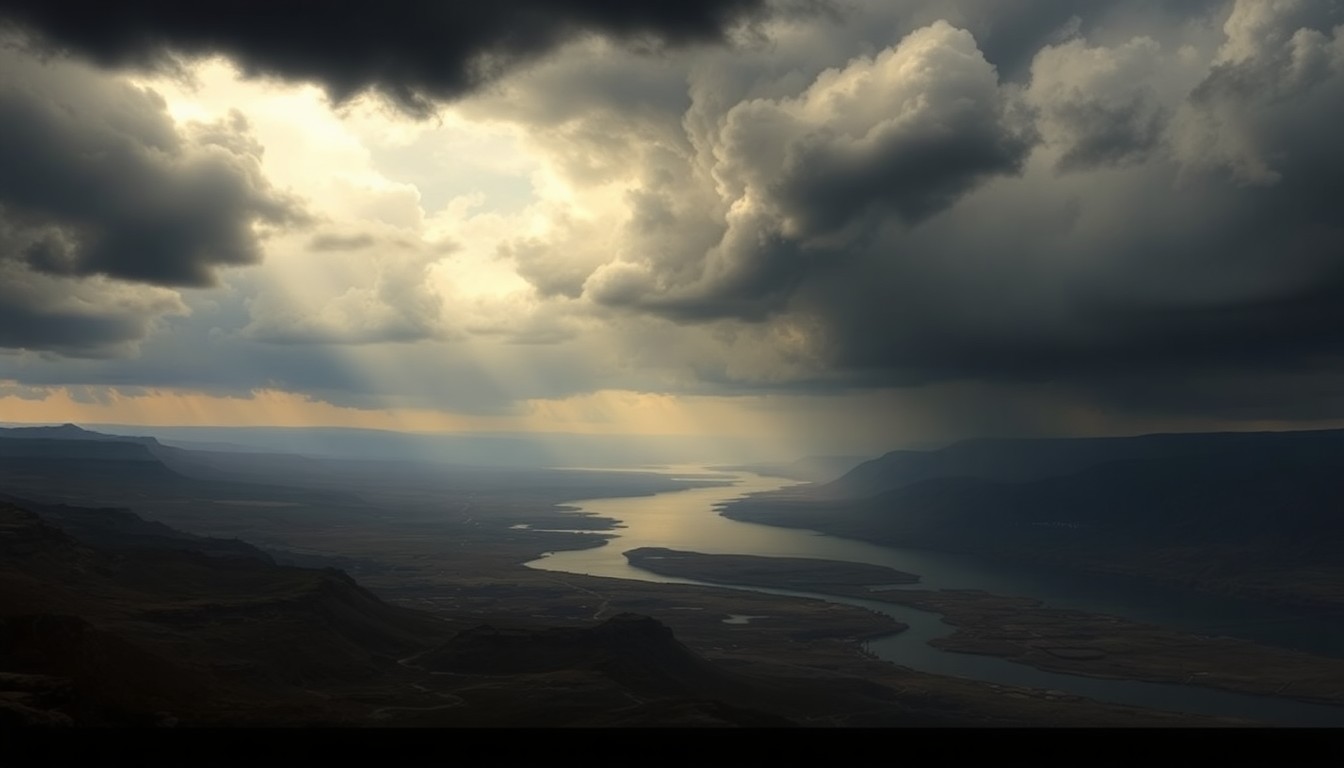
 The mighty Missouri River basin, once a vibrant source of hydropower and recreation, now faces the sobering reality of a prolonged drought that threatens to reshape the region's natural resources.Sioux City Today
The U.S. Army Corps of Engineers is warning that the ongoing drought in the Missouri River basin could lead to reduced hydropower generation and limited recreational access along the river this year. John Remus, chief of the Corps' Missouri River Basin Water Management Division, says the basin has seen very little snowpack and precipitation over the past year, leading to low water levels in the river and its reservoirs.
Why it matters
The Missouri River basin covers a vast area spanning multiple states and Canada, and the river's dams and reservoirs play a crucial role in hydropower production and recreational activities like boating and fishing. Persistent drought conditions in the region could have significant economic and environmental impacts.
The details
Remus says hydropower generation from dams on the Missouri River is expected to be about 20% below average this year due to the low water levels. He also warns that reduced water levels could leave some boat ramps dry and create access problems at marinas along the river. However, Remus notes that the river's system of dams and reservoirs was designed to withstand long-term droughts, and the current situation is not as severe as the drought the basin experienced in the early 2000s.
- Through this winter, the basin saw very little Plains snowpack, which has now melted.
- The mountain snowpack in the basin is well below average.
- The basin has not received any significant precipitation in recent months.
The players
John Remus
Chief of the U.S. Army Corps of Engineers' Missouri River Basin Water Management Division.
U.S. Army Corps of Engineers
The federal agency responsible for managing the dams and reservoirs along the Missouri River.
South Dakota Game, Fish and Parks Commission
The state agency that manages many of the public access points and recreational facilities along the Missouri River in South Dakota.
What they’re saying
“'Through this winter, we saw very little Plains snowpack, and that's pretty much all gone and melted. Our mountain snowpack is well below average. And we just haven't had any precipitation.'”
— John Remus, Chief of the U.S. Army Corps of Engineers' Missouri River Basin Water Management Division
“'I don't want to call it critical or make it look like we're in some desperate situation, because we're not.'”
— John Remus, Chief of the U.S. Army Corps of Engineers' Missouri River Basin Water Management Division
What’s next
The South Dakota Game, Fish and Parks Commission plans to hear a Missouri River outlook presentation during its meeting on Thursday and Friday in Pierre to discuss the potential impacts on recreational access along the river.
The takeaway
The persistent drought in the Missouri River basin is putting strain on the region's hydropower production and recreational activities, underscoring the need for careful management of the river's water resources. While the situation is not yet critical, it highlights the vulnerability of the basin to long-term climate changes and the importance of proactive planning to mitigate the effects of drought.
Sioux City top stories

Sioux City events

Apr. 9, 2026
Brad Williams: The Tall Tales Tour
Apr. 10, 2026
Avery Anna (ages 21 & over)