- Today
- Holidays
- Birthdays
- Reminders
- Cities
- Atlanta
- Austin
- Baltimore
- Berwyn
- Beverly Hills
- Birmingham
- Boston
- Brooklyn
- Buffalo
- Charlotte
- Chicago
- Cincinnati
- Cleveland
- Columbus
- Dallas
- Denver
- Detroit
- Fort Worth
- Houston
- Indianapolis
- Knoxville
- Las Vegas
- Los Angeles
- Louisville
- Madison
- Memphis
- Miami
- Milwaukee
- Minneapolis
- Nashville
- New Orleans
- New York
- Omaha
- Orlando
- Philadelphia
- Phoenix
- Pittsburgh
- Portland
- Raleigh
- Richmond
- Rutherford
- Sacramento
- Salt Lake City
- San Antonio
- San Diego
- San Francisco
- San Jose
- Seattle
- Tampa
- Tucson
- Washington
Exercise Sparks Memory Brain 'Ripples,' Study Finds
Single session of physical activity boosts neural activity in brain networks tied to learning and recall, researchers say.
Mar. 10, 2026 at 12:10am
Got story updates? Submit your updates here. ›
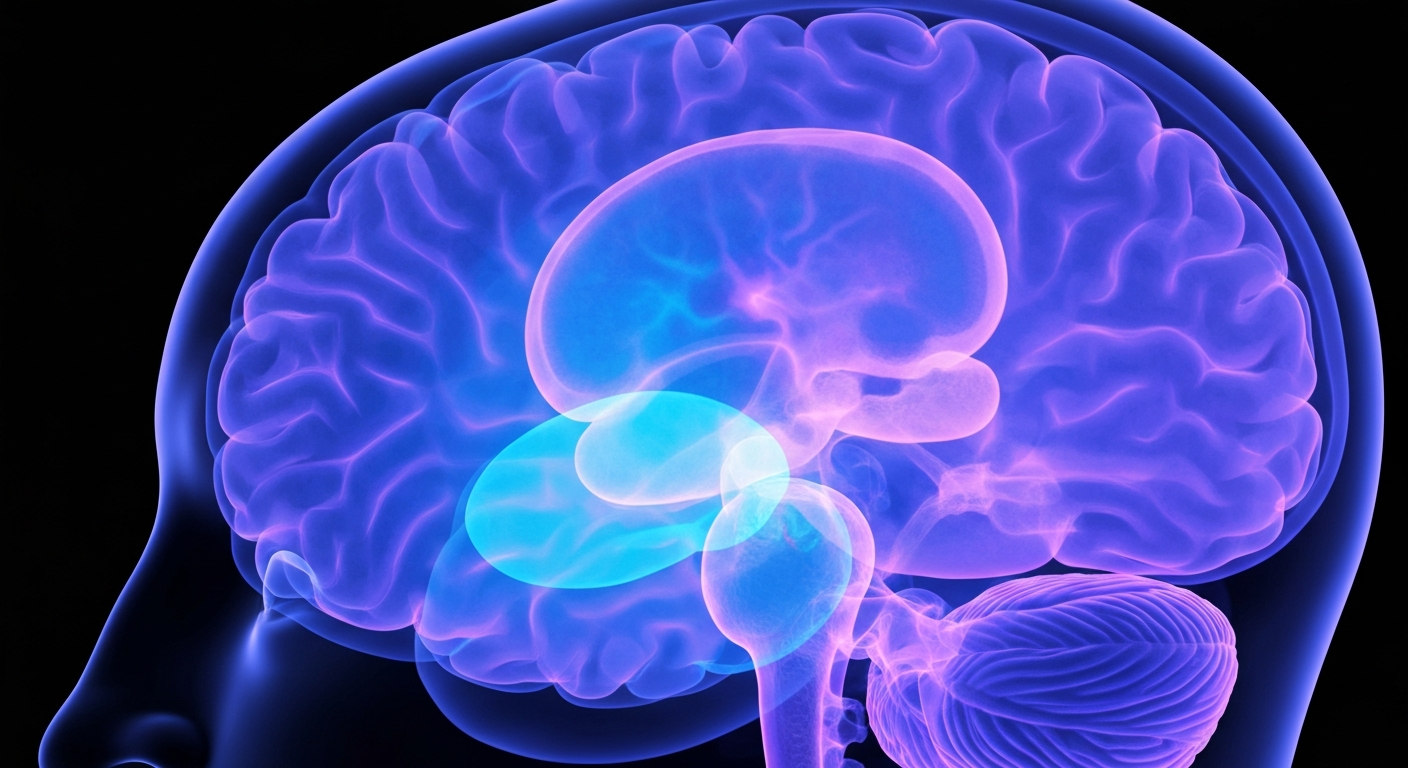
A new study led by the University of Iowa found that a single session of physical exercise can trigger a burst of high-frequency brain waves, called ripples, emanating from the hippocampus to areas of the brain involved in learning and memory. This marks the first time researchers have directly observed this neural activity in humans following exercise, providing evidence for the long-theorized link between physical activity and cognitive function.
Why it matters
The study's findings help explain the well-documented cognitive benefits of exercise, which have previously been observed through behavioral studies and brain imaging but not directly measured in the brain. Understanding the neural mechanisms behind exercise's impact on memory and learning could inform future interventions and therapies.
The details
Researchers recruited 14 epilepsy patients at the University of Iowa Health Care Medical Center, ages 17 to 50, to participate in the study. After a brief warmup, the participants rode a stationary bike for 20 minutes. The researchers recorded the participants' brain activity before and after the cycling session using intracranial electroencephalography (iEEG), which utilizes implanted electrodes to measure neural activity. The recordings showed an increased rate of ripples, or high-frequency brain waves, originating in the hippocampus and connecting with cortical regions of the brain known to be involved in learning and memory.
- The study was published online on March 9, 2026 in the journal Brain Communications.
- The research was conducted at the University of Iowa Health Care Medical Center.
The players
Michelle Voss
Professor and Ronnie Ketchel Faculty Fellow in the Department of Psychological and Brain Sciences at the University of Iowa, and the study's corresponding author.
Araceli Cardenas
Co-lead author of the study, from Toronto Western Hospital, who was a postdoctoral researcher in neurosurgery at the University of Iowa.
Juan Ramirez-Villegas
Co-lead author of the study, from the Institute of Science and Technology in Austria.
University of Iowa
The institution where the research was conducted.
University of Iowa Health Care Medical Center
The medical center where the study participants were recruited.
What they’re saying
“We've known for years that physical exercise is often good for cognitive functions like memory, and this benefit is associated with changes in brain health, largely from behavioral studies and noninvasive brain imaging. By directly recording brain activity, our study shows, for the first time in humans, that even a single bout of exercise can rapidly alter the neural rhythms and brain networks involved in memory and cognitive function.”
— Michelle Voss, Professor and Ronnie Ketchel Faculty Fellow in the Department of Psychological and Brain Sciences at the University of Iowa
“The patterns we see after exercise closely match what's been observed in healthy adults using noninvasive brain imaging, like fMRI. That convergence across very different methods is one of the strongest indicators that the effects are not specific to epilepsy but reflect a more general human brain response to exercise.”
— Michelle Voss, Professor and Ronnie Ketchel Faculty Fellow in the Department of Psychological and Brain Sciences at the University of Iowa
What’s next
The researchers plan to seek funding to further study the exercise-memory link in the brain by having participants take memory tests after an exercise session as their brain activity is being directly recorded.
The takeaway
This study provides the first direct evidence in humans of the neural mechanisms underlying the cognitive benefits of exercise, shedding light on how even a single bout of physical activity can rapidly alter brain networks involved in learning and memory. These findings could inform future interventions and therapies aimed at improving cognitive function.