- Today
- Holidays
- Birthdays
- Reminders
- Cities
- Atlanta
- Austin
- Baltimore
- Berwyn
- Beverly Hills
- Birmingham
- Boston
- Brooklyn
- Buffalo
- Charlotte
- Chicago
- Cincinnati
- Cleveland
- Columbus
- Dallas
- Denver
- Detroit
- Fort Worth
- Houston
- Indianapolis
- Knoxville
- Las Vegas
- Los Angeles
- Louisville
- Madison
- Memphis
- Miami
- Milwaukee
- Minneapolis
- Nashville
- New Orleans
- New York
- Omaha
- Orlando
- Philadelphia
- Phoenix
- Pittsburgh
- Portland
- Raleigh
- Richmond
- Rutherford
- Sacramento
- Salt Lake City
- San Antonio
- San Diego
- San Francisco
- San Jose
- Seattle
- Tampa
- Tucson
- Washington
Dubuque Today
By the People, for the People
Dubuque Considers 3% Property Tax Hike for FY 2027
City Council to hold public hearing on proposed increase to $10.16 per $1,000 of taxable value
Published on Mar. 8, 2026
Got story updates? Submit your updates here. ›
The City of Dubuque is proposing to raise its base property tax rate by up to 3% for fiscal year 2027, from the current $10.06 per $1,000 of taxable property value to a maximum of $10.16 per $1,000. This potential adjustment would generate over $2 million in additional revenue for the city, translating to an estimated $26.68 to $27 increase in the annual property tax bill for the average Dubuque homeowner.
Why it matters
The proposed tax increase comes as Iowa debates broader property tax reform efforts, with some state-level proposals seeking to limit annual revenue growth for local governments to 2%. This could pose challenges for mid-sized cities like Dubuque that rely on property tax revenue to fund essential services and community initiatives.
The details
The Dubuque City Council has scheduled a public hearing on March 23, 2026, to discuss and potentially finalize the maximum property tax levy for fiscal year 2027. State law allows cities to propose up to a 3% increase, though they can ultimately adopt a lower figure based on budget needs and public input.
- The current property tax rate in Dubuque stands at $10.06 per $1,000 of taxable property value.
- The proposed maximum rate would increase it to $10.16 per $1,000.
- The public hearing is scheduled for March 23, 2026, at 6:30 p.m.
The players
Dubuque City Council
The governing body of the City of Dubuque that is considering the proposed property tax rate increase.
Governor Kim Reynolds
The Governor of Iowa who has introduced proposals to curb growth in property tax revenues for local governments.
What’s next
The Dubuque City Council will hold a public hearing on March 23, 2026, to discuss and potentially finalize the maximum property tax levy for fiscal year 2027.
The takeaway
Dubuque's proposed property tax increase reflects the city's current budget needs, but it comes amid broader state-level efforts to limit revenue growth for local governments. This could create challenges for mid-sized cities like Dubuque that rely on property tax revenue to fund essential services and community initiatives.
Dubuque top stories


Dubuque events

Mar. 13, 2026
Peppa Pig: My First Concert
Mar. 13, 2026
Justin Willman: One For The Ages Tour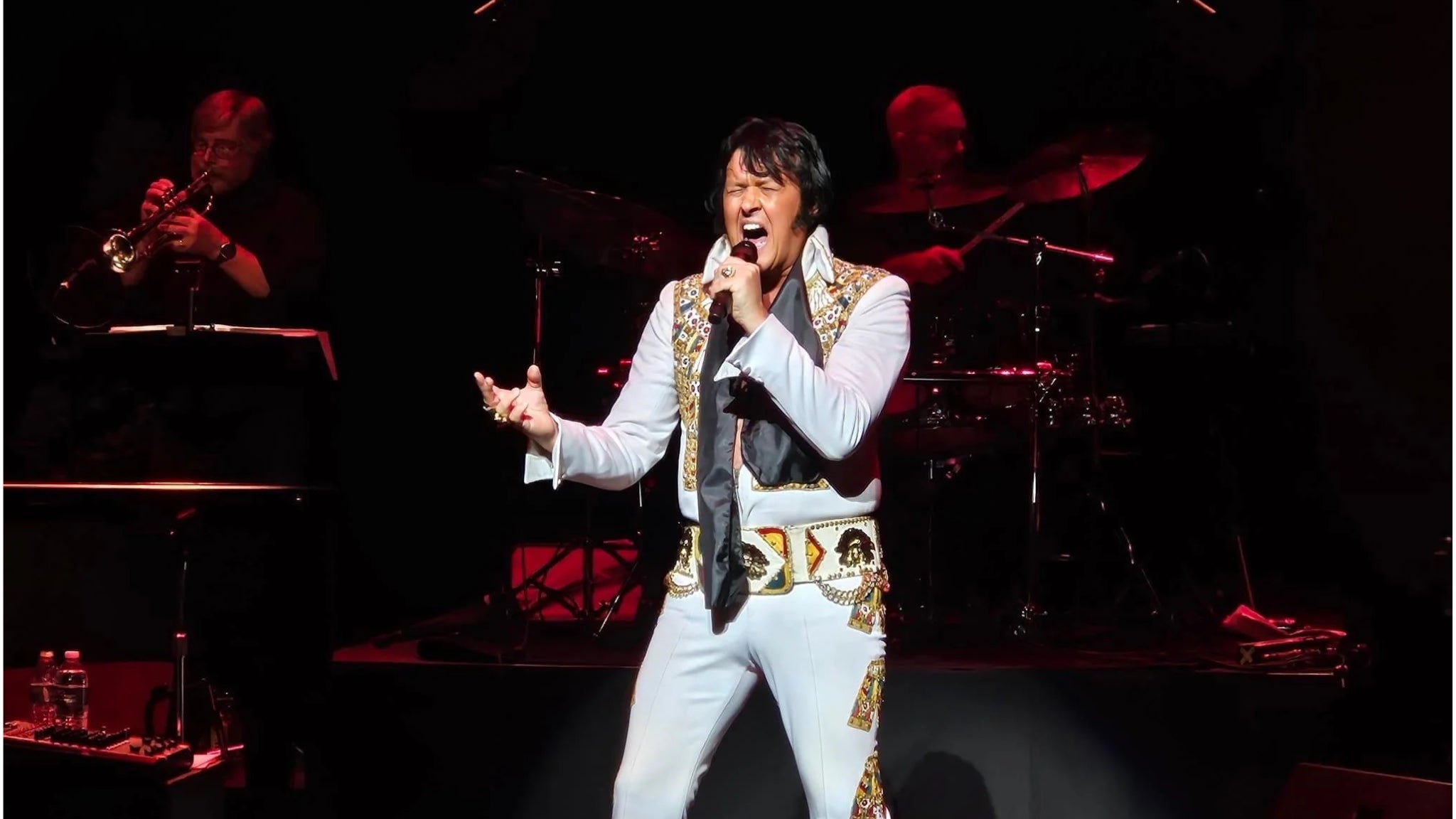
Mar. 14, 2026
Anthony Shore presents Elvis in Concert