- Today
- Holidays
- Birthdays
- Reminders
- Cities
- Atlanta
- Austin
- Baltimore
- Berwyn
- Beverly Hills
- Birmingham
- Boston
- Brooklyn
- Buffalo
- Charlotte
- Chicago
- Cincinnati
- Cleveland
- Columbus
- Dallas
- Denver
- Detroit
- Fort Worth
- Houston
- Indianapolis
- Knoxville
- Las Vegas
- Los Angeles
- Louisville
- Madison
- Memphis
- Miami
- Milwaukee
- Minneapolis
- Nashville
- New Orleans
- New York
- Omaha
- Orlando
- Philadelphia
- Phoenix
- Pittsburgh
- Portland
- Raleigh
- Richmond
- Rutherford
- Sacramento
- Salt Lake City
- San Antonio
- San Diego
- San Francisco
- San Jose
- Seattle
- Tampa
- Tucson
- Washington
Iowa Lawmakers Approach End of Legislative Session
As the session winds down, speculation grows around the final adjournment date.
Apr. 11, 2026 at 2:22pm
Got story updates? Submit your updates here. ›
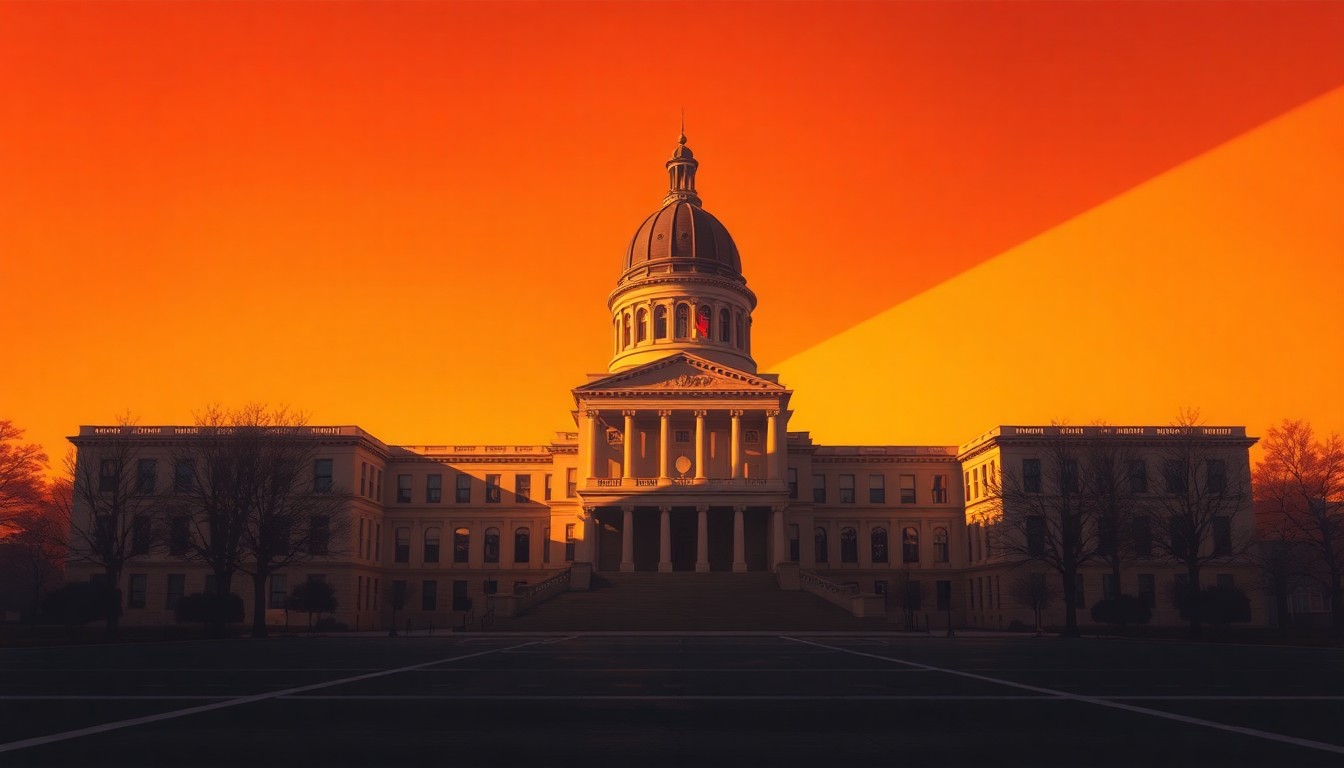 The Iowa State Capitol stands alone as the legislative session nears its conclusion, reflecting the quiet anticipation of lawmakers' final adjournment.Des Moines Today
With the Iowa legislative session nearing its conclusion, there is growing speculation around when lawmakers will officially adjourn and return to their home districts. Each year, the exact timing of the session's end, known as 'sine die,' becomes a guessing game among those following the legislature's activities.
Why it matters
The end of the legislative session is an important milestone, as it marks the completion of the state's annual lawmaking process. The timing of sine die can impact the passage of key bills, the ability of lawmakers to address constituent concerns, and the political dynamics heading into the next election cycle.
The details
The Iowa legislature typically aims to complete its work and adjourn by late spring or early summer each year. However, the exact date can vary depending on a variety of factors, including the progress of budget negotiations, the resolution of contentious policy debates, and any last-minute legislative priorities that arise.
- The Iowa legislative session typically runs from January through late spring or early summer.
The players
Iowa Legislature
The state's legislative body, responsible for passing laws and approving the state budget.
The takeaway
As the Iowa legislature approaches the end of its session, the timing of the final adjournment, known as 'sine die,' remains an open question. This annual guessing game highlights the fluid nature of the legislative process and the importance of lawmakers completing their work in a timely manner to address constituent concerns and prepare for the next election cycle.
Des Moines top stories


Des Moines events

Apr. 11, 2026
Iowa Cubs vs. Omaha Storm Chasers
Apr. 11, 2026
Church Basement Ladies
Apr. 11, 2026
Church Basement Ladies