- Today
- Holidays
- Birthdays
- Reminders
- Cities
- Atlanta
- Austin
- Baltimore
- Berwyn
- Beverly Hills
- Birmingham
- Boston
- Brooklyn
- Buffalo
- Charlotte
- Chicago
- Cincinnati
- Cleveland
- Columbus
- Dallas
- Denver
- Detroit
- Fort Worth
- Houston
- Indianapolis
- Knoxville
- Las Vegas
- Los Angeles
- Louisville
- Madison
- Memphis
- Miami
- Milwaukee
- Minneapolis
- Nashville
- New Orleans
- New York
- Omaha
- Orlando
- Philadelphia
- Phoenix
- Pittsburgh
- Portland
- Raleigh
- Richmond
- Rutherford
- Sacramento
- Salt Lake City
- San Antonio
- San Diego
- San Francisco
- San Jose
- Seattle
- Tampa
- Tucson
- Washington
Iowa Seeks Volunteers to Help Count Bees
The state is looking for community scientists to assist with the Bumble Bee Atlas project.
Apr. 8, 2026 at 8:08pm
Got story updates? Submit your updates here. ›
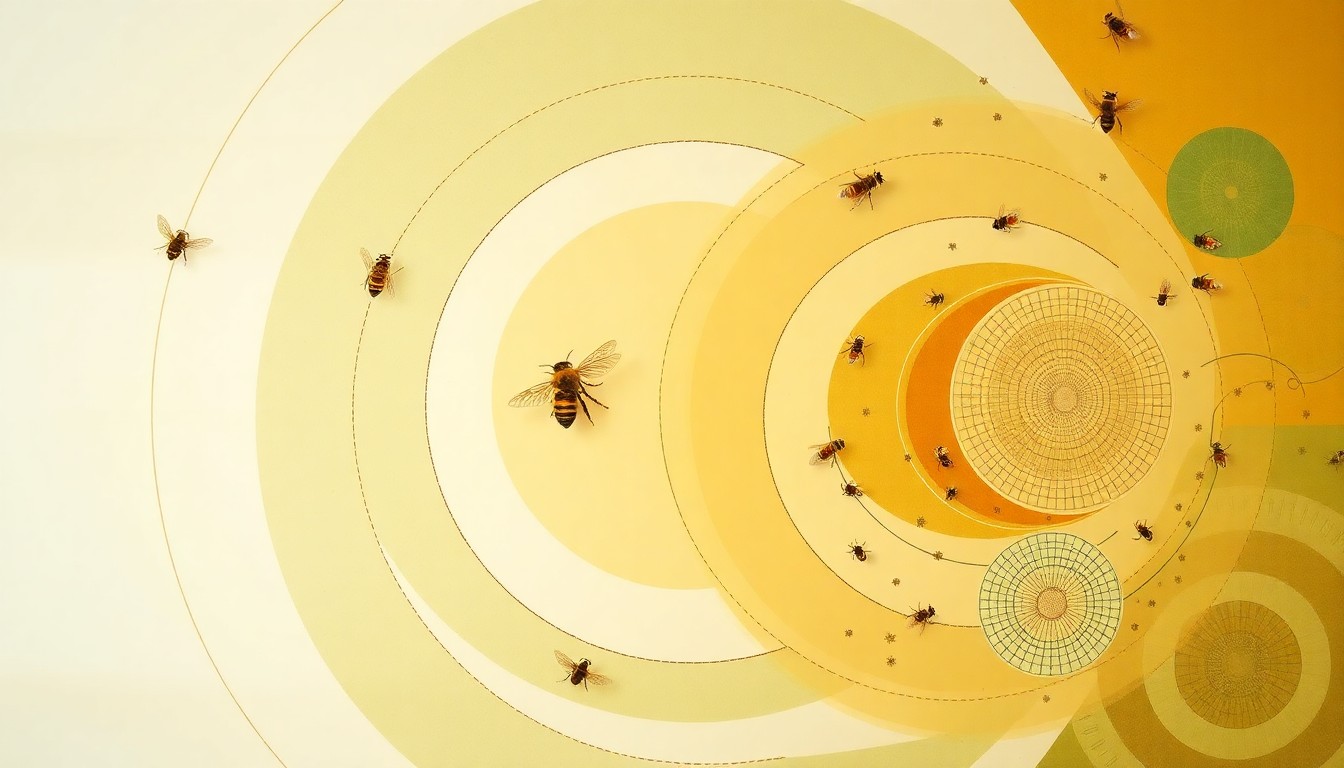 An abstract visualization of the intricate web of bee species and their foraging habitats, as community scientists work to map and monitor Iowa's vital pollinator populations.Des Moines Today
The Iowa Department of Natural Resources is recruiting volunteers to help conduct bee-counting surveys as part of the nationwide Bumble Bee Atlas project. The effort aims to learn more about the habitat and foraging needs of certain bee species in Iowa and surrounding states.
Why it matters
Bee populations have been declining in recent years due to factors like habitat loss, pesticide use, and climate change. The Bumble Bee Atlas helps provide critical data to support conservation efforts and understand the health of Iowa's bee communities.
The details
Iowa and neighboring states have been participating in a three-year study as part of the Bumble Bee Atlas, a national survey collecting information on bee species and their distribution. So far, Iowa volunteers have identified 13 bumble bee species, including 5 of 7 priority target species. In 2025, Nebraskans conducted 396 surveys across their state. Iowa is now looking for help surveying 4 additional areas that haven't yet been covered.
- The Bumble Bee Atlas surveys run from June through October each year.
- Online training sessions are scheduled for this month and next month.
- In-person field training events are planned for June and July across Iowa.
The players
Iowa Department of Natural Resources
The state agency leading the Bumble Bee Atlas effort in Iowa.
Xerces Society
A nonprofit organization partnering with Iowa DNR and Iowa State University to provide training for volunteer community scientists.
Stephanie Shepherd
An Iowa DNR wildlife biologist overseeing the Bumble Bee Atlas project.
What they’re saying
“It's a fun but challenging survey. It requires you to be outdoors for a while in the heat capturing bumble bees. Bumble bees are incredibly docile, especially when foraging. The only time they may be aggressive is near their nest.”
— Stephanie Shepherd, Iowa DNR Wildlife Biologist
What’s next
After this year, the Bumble Bee Atlas survey will shift from the initial inventory phase to long-term monitoring of all bee species of greatest conservation need, including the rusty-patched bumble bee.
The takeaway
By recruiting community scientists to help count bees, the Bumble Bee Atlas project is gathering crucial data to support conservation efforts and understand the health of Iowa's bee populations, which play a vital role in the state's ecosystems and agriculture.
Des Moines top stories


Des Moines events

Apr. 9, 2026
Henry Cho: The Empty Nest Tour
Apr. 9, 2026
Iowa Cubs vs. Omaha Storm Chasers
Apr. 9, 2026
Church Basement Ladies