- Today
- Holidays
- Birthdays
- Reminders
- Cities
- Atlanta
- Austin
- Baltimore
- Berwyn
- Beverly Hills
- Birmingham
- Boston
- Brooklyn
- Buffalo
- Charlotte
- Chicago
- Cincinnati
- Cleveland
- Columbus
- Dallas
- Denver
- Detroit
- Fort Worth
- Houston
- Indianapolis
- Knoxville
- Las Vegas
- Los Angeles
- Louisville
- Madison
- Memphis
- Miami
- Milwaukee
- Minneapolis
- Nashville
- New Orleans
- New York
- Omaha
- Orlando
- Philadelphia
- Phoenix
- Pittsburgh
- Portland
- Raleigh
- Richmond
- Rutherford
- Sacramento
- Salt Lake City
- San Antonio
- San Diego
- San Francisco
- San Jose
- Seattle
- Tampa
- Tucson
- Washington
Iowa DOT Warns of Scam Texts Claiming Unpaid Fines
Fraudulent messages demand payment, aim to steal personal data
Mar. 30, 2026 at 4:58pm
Got story updates? Submit your updates here. ›
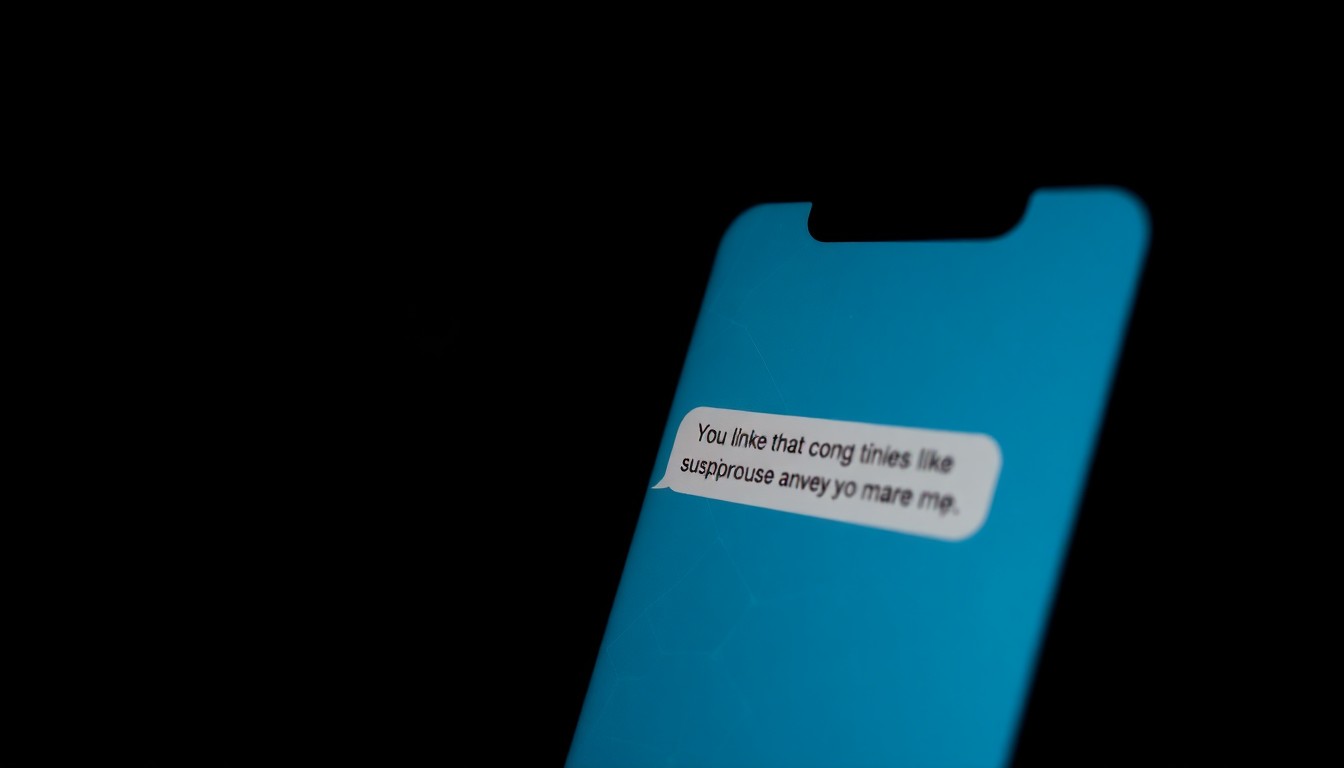 A stark, gritty image highlighting the deceptive nature of scam text messages that aim to steal personal data.Burlington Today
The Iowa Department of Transportation is alerting residents to a new scam involving text messages that falsely claim drivers owe money for unpaid traffic violations or tolls. The messages appear to come from the DOT or a 'DMV' and include a link prompting users to make a payment, but authorities say these are designed to steal personal and financial information.
Why it matters
Scams like these can lead to identity theft and financial losses for unsuspecting victims. The DOT is trying to raise awareness to prevent residents from falling for these deceptive tactics.
The details
The fraudulent text messages claim the recipient owes money for unpaid traffic violations or tolls, and may appear to come from the Iowa Department of Transportation or a 'DMV.' The texts typically include a link that prompts the user to make a payment, but authorities say these links are designed to steal personal and financial data.
- The Iowa DOT issued the warning on March 30, 2026.
The players
Iowa Department of Transportation
The state agency responsible for managing Iowa's transportation infrastructure and services.
What’s next
The Iowa DOT is urging residents to be vigilant and avoid clicking on any links or providing personal information in response to these fraudulent text messages. They recommend reporting any suspicious activity to the proper authorities.
The takeaway
This scam highlights the importance of verifying the source of any messages requesting personal or financial information, especially when they claim to be from a government agency. Iowans should exercise caution and only conduct legitimate business through official channels to avoid falling victim to these deceptive tactics.