- Today
- Holidays
- Birthdays
- Reminders
- Cities
- Atlanta
- Austin
- Baltimore
- Berwyn
- Beverly Hills
- Birmingham
- Boston
- Brooklyn
- Buffalo
- Charlotte
- Chicago
- Cincinnati
- Cleveland
- Columbus
- Dallas
- Denver
- Detroit
- Fort Worth
- Houston
- Indianapolis
- Knoxville
- Las Vegas
- Los Angeles
- Louisville
- Madison
- Memphis
- Miami
- Milwaukee
- Minneapolis
- Nashville
- New Orleans
- New York
- Omaha
- Orlando
- Philadelphia
- Phoenix
- Pittsburgh
- Portland
- Raleigh
- Richmond
- Rutherford
- Sacramento
- Salt Lake City
- San Antonio
- San Diego
- San Francisco
- San Jose
- Seattle
- Tampa
- Tucson
- Washington
Iowa State Researchers Develop Database to Analyze Tillage's Impact on Soil Health and Crop Yields
The database aims to provide more certainty around the effects of different tillage practices on soil carbon levels and crop productivity.
Apr. 9, 2026 at 3:07am
Got story updates? Submit your updates here. ›
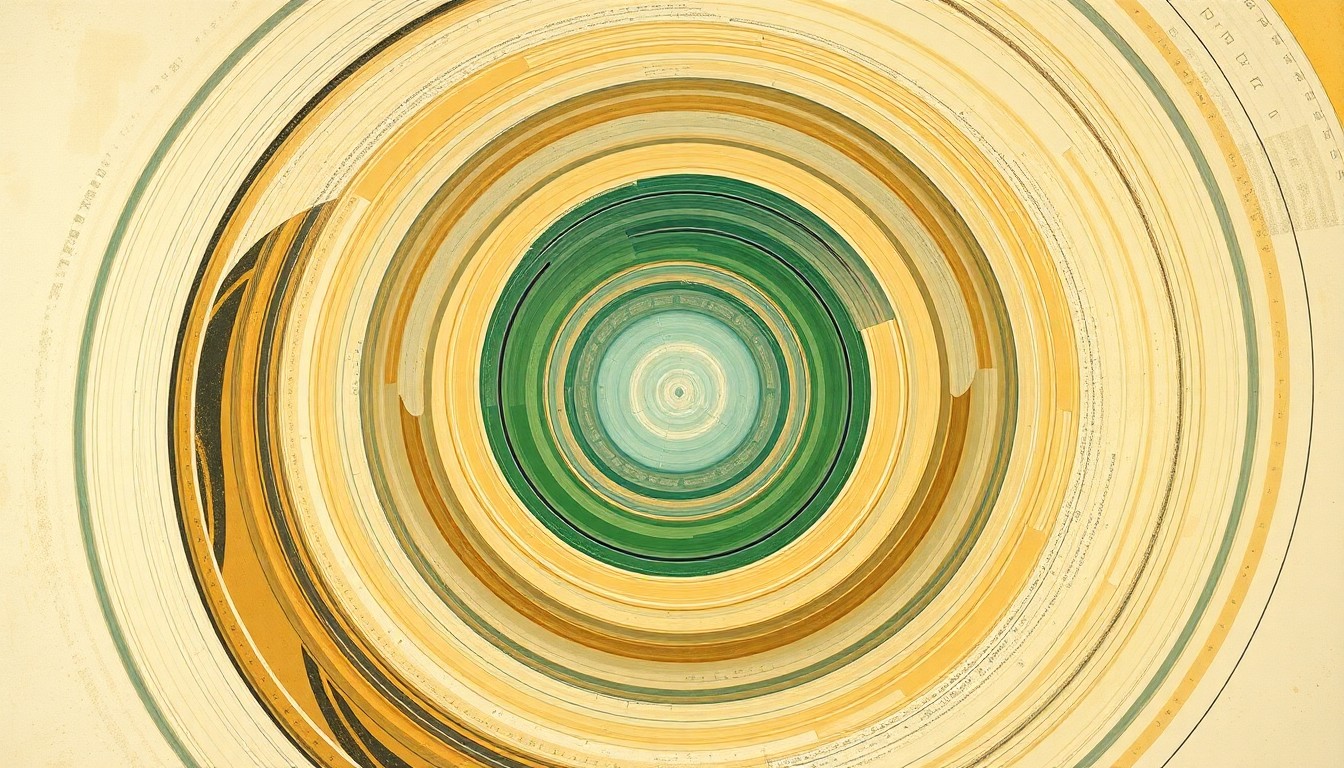
 A conceptual illustration depicting the intricate relationships between tillage methods, soil health, and crop productivity, as explored in a new Iowa State University database.Ames Today
Researchers at Iowa State University have developed a comprehensive database that analyzes the impact of various tillage methods on soil organic carbon levels and crop yields. The database integrates the results of over 250 peer-reviewed studies, providing a more granular and reliable way to estimate the tradeoffs between tillage practices, soil health, and agricultural productivity. The project was supported by Eocene Environmental Group, a sustainability consulting firm, to help inform carbon market decisions around farming practices that store more carbon in the soil.
Why it matters
Understanding the nuanced effects of tillage on soil carbon and crop yields is crucial for farmers, as well as companies that pay farmers to adopt carbon-sequestering practices. The database aims to provide more transparent and accurate estimates to ensure that the benefits of reduced tillage are properly quantified and compensated.
The details
The database was developed by a team led by Andrew Vanloocke, an associate professor of agronomy at Iowa State. It classifies tillage on a continuum of intensity, from deep soil-turning to completely hands-off no-till, and examines how these different practices impact soil organic carbon and crop yields. The researchers extracted detailed information often missed in previous meta-analysis studies, such as soil conditions, climate, and the presence of irrigation.
- The project began about five years ago when Zach Simpson, a post-doctoral research associate at the time, started collecting data to analyze the effects of tillage.
- Iowa State launched a new undergraduate program in digital and precision agriculture last fall, which the researchers say will prepare students for the kind of work involved in developing and using these types of databases.
The players
Andrew Vanloocke
An associate professor of agronomy at Iowa State University who has led the development of the tillage database.
Zach Simpson
A former post-doctoral research associate at Iowa State who began collecting data for the tillage database project.
Marshall McDaniel
An associate professor of agronomy at Iowa State University who has collaborated on the tillage database project.
Gabe McNunn
The vice president of environmental modeling and data science at Eocene Environmental Group, a sustainability consulting firm that has partnered with Iowa State on the tillage database project.
Eocene Environmental Group
A West Des Moines-based environmental consulting firm that has provided funding and support for the Iowa State tillage database project.
What they’re saying
“These companies want the best, most transparent estimates possible to ensure they're getting a dozen eggs instead of six.”
— Andrew Vanloocke, Associate Professor of Agronomy, Iowa State University
“One of the goals in science, especially in environmental science, is to inform decision-making. So, we have to understand the consequences for yield.”
— Marshall McDaniel, Associate Professor of Agronomy, Iowa State University
“We want other people to see and use the data so that, hopefully, when they take new measurements or new studies are available, they can be added. We envision this as an ongoing and collaborative effort that improves over time.”
— Gabe McNunn, Vice President of Environmental Modeling and Data Science, Eocene Environmental Group
What’s next
The Iowa State researchers are starting to work on a similar project analyzing research into the impact of planting cover crops, which are another top farming method supported by carbon markets.
The takeaway
This database represents a collaborative effort to provide more reliable and transparent data on the complex tradeoffs between tillage practices, soil health, and crop productivity. By making the data publicly available, the researchers hope to facilitate ongoing improvements and inform decision-making around sustainable farming practices that can help meet corporate carbon emissions goals.
Ames top stories

Ames events
Apr. 11, 2026
Luke Combs - My Kinda Saturday Night Tour
Apr. 14, 2026
World Ballet Company: Cinderella