- Today
- Holidays
- Birthdays
- Reminders
- Cities
- Atlanta
- Austin
- Baltimore
- Berwyn
- Beverly Hills
- Birmingham
- Boston
- Brooklyn
- Buffalo
- Charlotte
- Chicago
- Cincinnati
- Cleveland
- Columbus
- Dallas
- Denver
- Detroit
- Fort Worth
- Houston
- Indianapolis
- Knoxville
- Las Vegas
- Los Angeles
- Louisville
- Madison
- Memphis
- Miami
- Milwaukee
- Minneapolis
- Nashville
- New Orleans
- New York
- Omaha
- Orlando
- Philadelphia
- Phoenix
- Pittsburgh
- Portland
- Raleigh
- Richmond
- Rutherford
- Sacramento
- Salt Lake City
- San Antonio
- San Diego
- San Francisco
- San Jose
- Seattle
- Tampa
- Tucson
- Washington
Kilauea Today
By the People, for the People
Unveiling Kīlauea's Volcanic Past Through Tephra Deposits
Geologists uncover centuries of explosive lava fountaining within the iconic Hawaiian volcano's caldera
Apr. 13, 2026 at 5:08am
Got story updates? Submit your updates here. ›
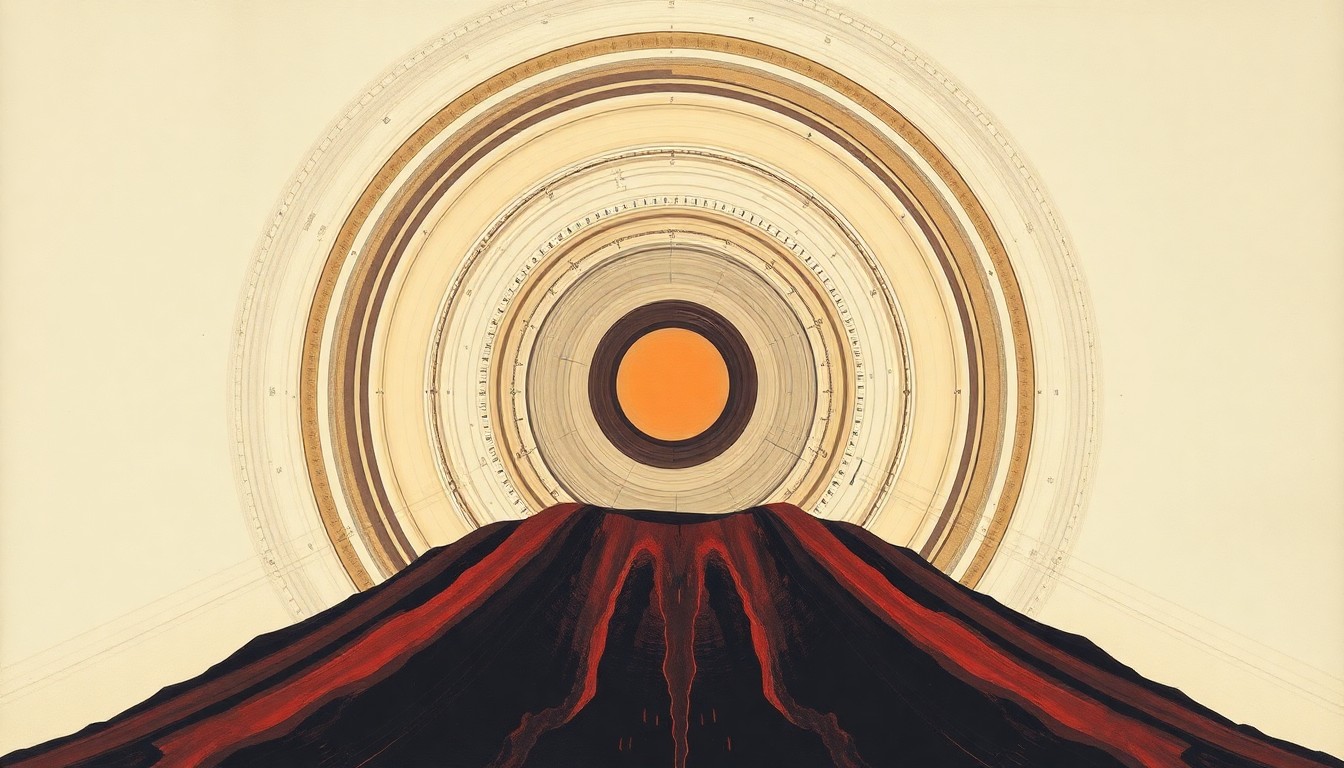 The tephra deposits around Kīlauea's summit reveal the volcano's long history of explosive, fountain-like eruptions, challenging the perception that its current activity is entirely unprecedented.Kilauea Today
Kīlauea's recent, dramatic eruptions may seem unprecedented, but the volcanic deposits scattered around its summit tell a different story. Geologists have uncovered layers of tephra, or volcanic ash and rock, that reveal a history of episodic lava fountaining within the caldera stretching back centuries. These deposits, including the Keanakākoʻi Tephra, provide profound insights into Kīlauea's powerful, cyclical nature and suggest the current eruption style is far from an anomaly.
Why it matters
Understanding Kīlauea's long-term eruptive history, as recorded in its tephra deposits, offers valuable context for interpreting the volcano's current behavior and forecasting future events. These ancient geological records challenge the perception that Kīlauea's recent eruptions are entirely novel, shedding light on the volcano's capacity for explosive, fountain-like activity at its core.
The details
Geologists have identified several distinct tephra layers that point to powerful lava fountaining events within Kīlauea's caldera over the past 500 years. The Keanakākoʻi Tephra unit B, formed around 500 years ago, is composed largely of reticulite, a foamy lava indicative of highly buoyant, frothy eruptions. Unit E, dating to around 1650, is primarily made of scoria, a denser, vesicular volcanic rock, suggesting a shift in eruptive dynamics. In the early 1800s, pumice-rich deposits known as units K1 and K2 provide further evidence of sustained lava fountaining within the caldera.
- Around 500 years ago, the Keanakākoʻi Tephra unit B was formed.
- Around the year 1650, the Keanakākoʻi Tephra unit E was deposited.
- In the early 1800s, the Keanakākoʻi Tephra units K1 and K2 were formed.
The players
Kīlauea
An active shield volcano located on the island of Hawaiʻi, known for its frequent eruptions and dramatic lava flows.
The takeaway
The tephra deposits around Kīlauea's summit reveal that the volcano's current eruptive style, with its spectacular lava fountains, is not an unprecedented event but rather a recurring theme in its long history. By studying these ancient geological records, scientists can gain a deeper understanding of Kīlauea's dynamic processes and better anticipate future eruptions, providing valuable insights for the local community and beyond.