- Today
- Holidays
- Birthdays
- Reminders
- Cities
- Atlanta
- Austin
- Baltimore
- Berwyn
- Beverly Hills
- Birmingham
- Boston
- Brooklyn
- Buffalo
- Charlotte
- Chicago
- Cincinnati
- Cleveland
- Columbus
- Dallas
- Denver
- Detroit
- Fort Worth
- Houston
- Indianapolis
- Knoxville
- Las Vegas
- Los Angeles
- Louisville
- Madison
- Memphis
- Miami
- Milwaukee
- Minneapolis
- Nashville
- New Orleans
- New York
- Omaha
- Orlando
- Philadelphia
- Phoenix
- Pittsburgh
- Portland
- Raleigh
- Richmond
- Rutherford
- Sacramento
- Salt Lake City
- San Antonio
- San Diego
- San Francisco
- San Jose
- Seattle
- Tampa
- Tucson
- Washington
Kilauea Today
By the People, for the People
Kilauea Volcano Prepares to Erupt for 44th Time in Coming Days
Hawaii's most active volcano set to put on a captivating natural show
Apr. 5, 2026 at 1:36pm
Got story updates? Submit your updates here. ›
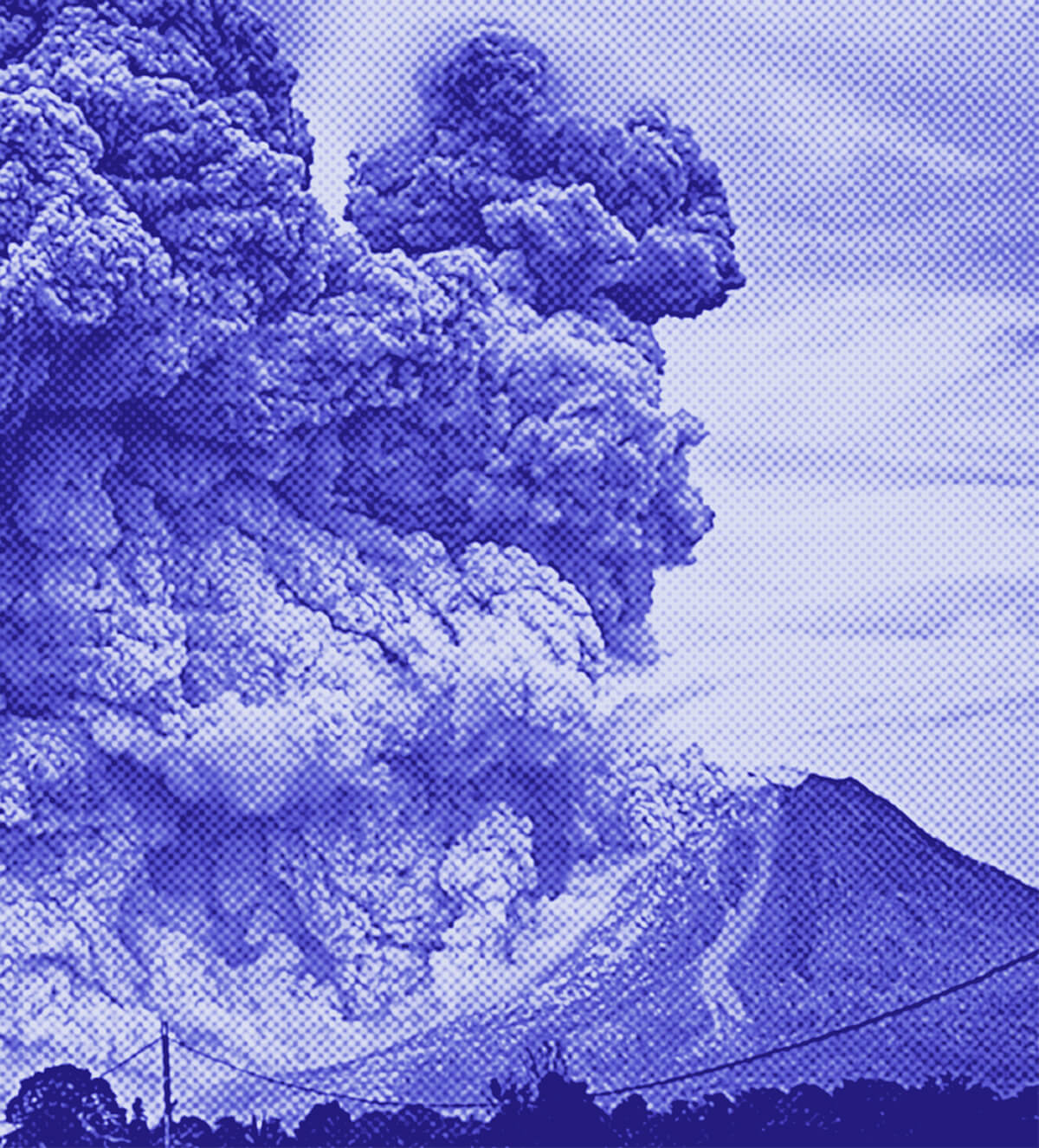
Hawaii's Kilauea volcano, one of the world's most active, is gearing up for its 44th eruption in the coming days, according to the United States Geological Survey. Precursory activity has already begun, with the south vent overflowing on Saturday morning, signaling the start of the next eruption episode that typically lasts from a few hours to over a week.
Why it matters
Kilauea's eruptions are a major tourist draw for Hawaii, attracting crowds to witness the spectacular fountains of lava shooting hundreds of feet into the air. However, the eruptions also pose serious health and safety risks, with hazardous gases and abrasive ash that can irritate eyes, skin, and the respiratory system, especially for vulnerable populations.
The details
According to the USGS, the forecast for the start of Kilauea's 44th eruption episode is between April 6 and April 14. On Saturday morning, the south vent overflowed at 6:11 a.m. HST, with lava flowing from the vent at least 10 times through small dome fountains. Kilauea has been erupting episodically within its summit caldera since December 23, 2024, and its eruption episodes typically last from a few hours to one day, with some lasting up to 8 ½ days.
- On Saturday morning, the south vent overflowed at 6:11 a.m. HST.
- The forecast for the start of Kilauea's 44th eruption episode is between April 6 and April 14.
The players
United States Geological Survey
The federal agency that monitors and studies geological hazards, including volcanoes like Kilauea.
What’s next
The USGS operates several live webcams at Kilauea, streaming continuously on their website, so people can stay tuned for any signs of the upcoming eruption.
The takeaway
Kilauea's 44th eruption is a highly anticipated natural event that will draw crowds to Hawaii Volcanoes National Park, but it also poses significant risks that the public needs to be aware of. The USGS is closely monitoring the volcano's activity and providing real-time updates to help ensure public safety.