- Today
- Holidays
- Birthdays
- Reminders
- Cities
- Atlanta
- Austin
- Baltimore
- Berwyn
- Beverly Hills
- Birmingham
- Boston
- Brooklyn
- Buffalo
- Charlotte
- Chicago
- Cincinnati
- Cleveland
- Columbus
- Dallas
- Denver
- Detroit
- Fort Worth
- Houston
- Indianapolis
- Knoxville
- Las Vegas
- Los Angeles
- Louisville
- Madison
- Memphis
- Miami
- Milwaukee
- Minneapolis
- Nashville
- New Orleans
- New York
- Omaha
- Orlando
- Philadelphia
- Phoenix
- Pittsburgh
- Portland
- Raleigh
- Richmond
- Rutherford
- Sacramento
- Salt Lake City
- San Antonio
- San Diego
- San Francisco
- San Jose
- Seattle
- Tampa
- Tucson
- Washington
Kilauea Today
By the People, for the People
Kilauea Volcano and Kona Low Storm Reshape Hawaiian Landscape
Native Hawaiian traditions offer insights into the natural processes at work.
Mar. 22, 2026 at 10:05am
Got story updates? Submit your updates here. ›
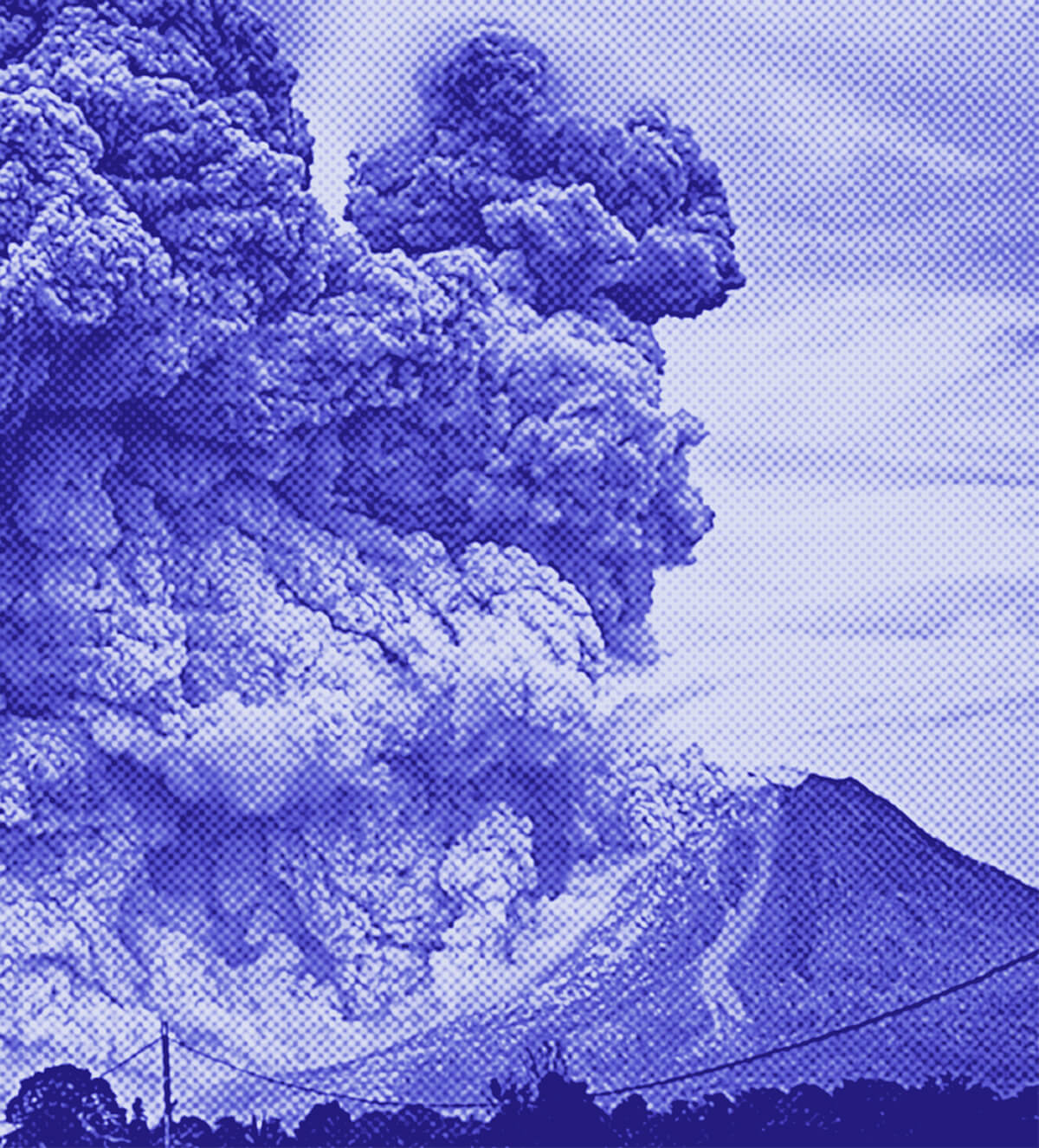
The summit region of Kilauea volcano experienced tephra fallout and a Kona low storm this past week, leading to cleanup, recovery, and regrowth efforts. These natural processes are recognized and embodied in Native Hawaiian oral traditions about the elemental forces of Pele, Lono, and Hi'iaka.
Why it matters
Kilauea and Hawaii's other active volcanoes are constantly reshaping the landscape, while storms can also dramatically transform the environment. Understanding these natural cycles and the ways they are reflected in Native Hawaiian culture provides important context for living in this dynamic island ecosystem.
The details
Kilauea's recent episode 43 of lava fountaining on March 10 blanketed the area northeast of the summit caldera with tephra fallout, leading to temporary closures. Several days later, a Kona low storm brought days of wind and rain, causing flooding, downed trees, and power outages. While natural recovery begins quickly, the reliance on modern infrastructure means these events can significantly disrupt daily life.
- On March 10, Kilauea experienced episode 43 of lava fountaining.
- A Kona low storm arrived a few days later, bringing wind and rain.
- The USGS Hawaiian Volcano Observatory has forecast the start of episode 44 of ongoing episodic lava fountaining in Halema'uma'u for sometime between April 1-10.
The players
Pele
In Native Hawaiian oral traditions, Pele is the creator of land and the force behind volcanic processes.
Lono
In Native Hawaiian oral traditions, Lono is the elemental force behind rains, winds, thunder, and lightning.
Hi'iaka
In Native Hawaiian oral traditions, Hi'iaka is the force behind the regrowth and re-greening of the land after natural disturbances.
What they’re saying
“Native Hawaiian oral traditions recorded interactions between Pele, Lono, and Hi'iaka in the past, and we continue to see their interactions today.”
— Katie Mulliken, HVO geologist
What’s next
The USGS Hawaiian Volcano Observatory has forecast the start of episode 44 of ongoing episodic lava fountaining in Halema'uma'u for sometime between April 1-10.
The takeaway
Living in such a dynamic place as the Island of Hawaii, it's important to try and be aware and prepared for the natural events that affect us, whether volcanic or weather-related. Understanding the cultural context provided by Native Hawaiian traditions can offer valuable insights into these processes.