- Today
- Holidays
- Birthdays
- Reminders
- Cities
- Atlanta
- Austin
- Baltimore
- Berwyn
- Beverly Hills
- Birmingham
- Boston
- Brooklyn
- Buffalo
- Charlotte
- Chicago
- Cincinnati
- Cleveland
- Columbus
- Dallas
- Denver
- Detroit
- Fort Worth
- Houston
- Indianapolis
- Knoxville
- Las Vegas
- Los Angeles
- Louisville
- Madison
- Memphis
- Miami
- Milwaukee
- Minneapolis
- Nashville
- New Orleans
- New York
- Omaha
- Orlando
- Philadelphia
- Phoenix
- Pittsburgh
- Portland
- Raleigh
- Richmond
- Rutherford
- Sacramento
- Salt Lake City
- San Antonio
- San Diego
- San Francisco
- San Jose
- Seattle
- Tampa
- Tucson
- Washington
Kilauea Today
By the People, for the People
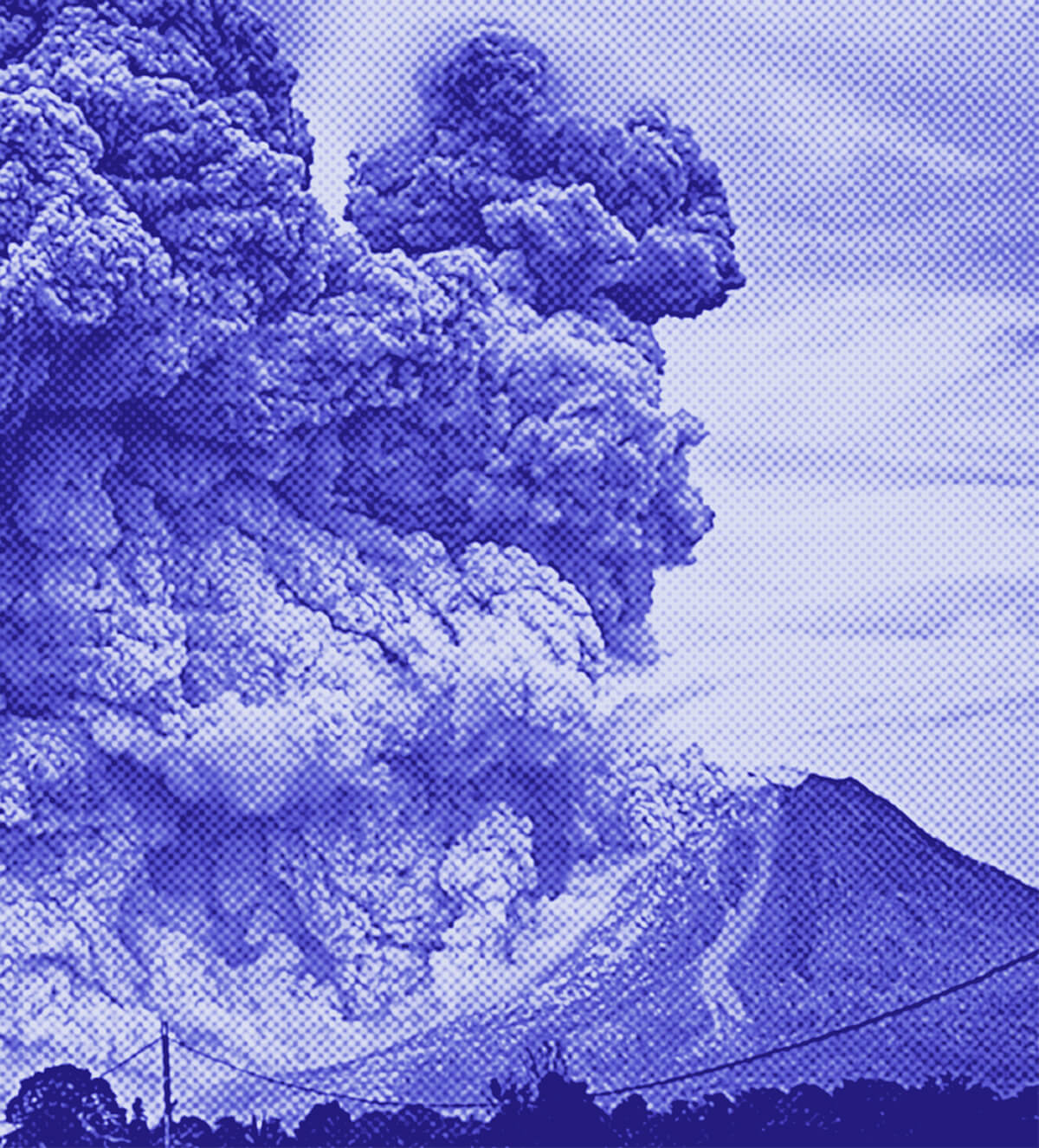
Kilauea Volcano in Hawaii Erupts, Launching Fiery Lava 400 Meters Into the Sky
The spectacular eruption has sparked significant interest and concern among residents and scientists.
Published on Mar. 11, 2026
Got story updates? Submit your updates here. ›
Kilauea volcano on Hawaii's Big Island erupted spectacularly on Tuesday morning, sending lava shooting 400 meters into the air and creating a mesmerizing display of nature's power. The eruption, which began around 8:00 AM HST, is attributed to ongoing geological activity beneath the surface, a phenomenon regularly monitored by the US Geological Survey (USGS). Residents near the volcano have been advised to remain alert due to potential ashfall and lava flows that might impact air quality and safety in surrounding areas.
Why it matters
Kilauea has captivated scientists and volcanologists for decades, offering insights into volcanic activity and its effects on the environment. The recent eruption has been classified as a "fountaining" event, where lava is expelled vertically due to gas pressure building up within the magma chamber, underscoring the dynamic processes at play deep within the Earth's crust.
The details
The eruption's lava fountains are not only visually stunning; they also underline the dynamic processes at play deep within the Earth's crust. Scientists are carefully observing these phenomena to better understand not only Kilauea but volcanic activity globally. Given the unpredictable nature of eruptions, Hawaii County officials have implemented precautionary measures to ensure community safety, including evacuations and monitoring stations to track ash dispersal and lava flow paths.
- The eruption began around 8:00 AM HST on Tuesday, March 11, 2026.
The players
Kilauea Volcano
One of the world's most active volcanoes, located on Hawaii's Big Island.
US Geological Survey (USGS)
The federal agency that regularly monitors volcanic activity in the United States, including Kilauea.
Hawaii County
The local government responsible for implementing safety measures and evacuations in response to the Kilauea eruption.
Hawaii Emergency Management Agency
The state agency working closely with the USGS to provide updates to residents and tourists about the Kilauea eruption.
What they’re saying
“We must remain vigilant and prepared as this eruption continues to unfold.”
— Tina Watanabe, Hawaii Emergency Management Agency Director (Honolulu Star-Advertiser)
“Kilauea's eruptions have always been a humbling reminder of the power of nature.”
— Dr. Sarah Kahanamoku, Volcanologist, University of Hawaii (Hawaii Public Radio)
What’s next
The USGS and local authorities will continue to closely monitor the Kilauea eruption and provide updates on potential hazards and safety precautions for residents and visitors.
The takeaway
The Kilauea eruption highlights the importance of community preparedness and scientific understanding when it comes to living with the dynamic forces of nature. As the situation evolves, ongoing collaboration between experts and the public will be crucial in navigating the challenges and appreciating the awe-inspiring power of this natural wonder.