- Today
- Holidays
- Birthdays
- Reminders
- Cities
- Atlanta
- Austin
- Baltimore
- Berwyn
- Beverly Hills
- Birmingham
- Boston
- Brooklyn
- Buffalo
- Charlotte
- Chicago
- Cincinnati
- Cleveland
- Columbus
- Dallas
- Denver
- Detroit
- Fort Worth
- Houston
- Indianapolis
- Knoxville
- Las Vegas
- Los Angeles
- Louisville
- Madison
- Memphis
- Miami
- Milwaukee
- Minneapolis
- Nashville
- New Orleans
- New York
- Omaha
- Orlando
- Philadelphia
- Phoenix
- Pittsburgh
- Portland
- Raleigh
- Richmond
- Rutherford
- Sacramento
- Salt Lake City
- San Antonio
- San Diego
- San Francisco
- San Jose
- Seattle
- Tampa
- Tucson
- Washington
Kilauea Today
By the People, for the People
Kilauea Volcano Erupts, Sending Lava Over 1,000 Feet into the Air
The incident marks the 43rd episode in the volcano's ongoing eruption that began in 2024, leading to highway closures and flight cancellations.
Mar. 11, 2026 at 6:25pm
Got story updates? Submit your updates here. ›
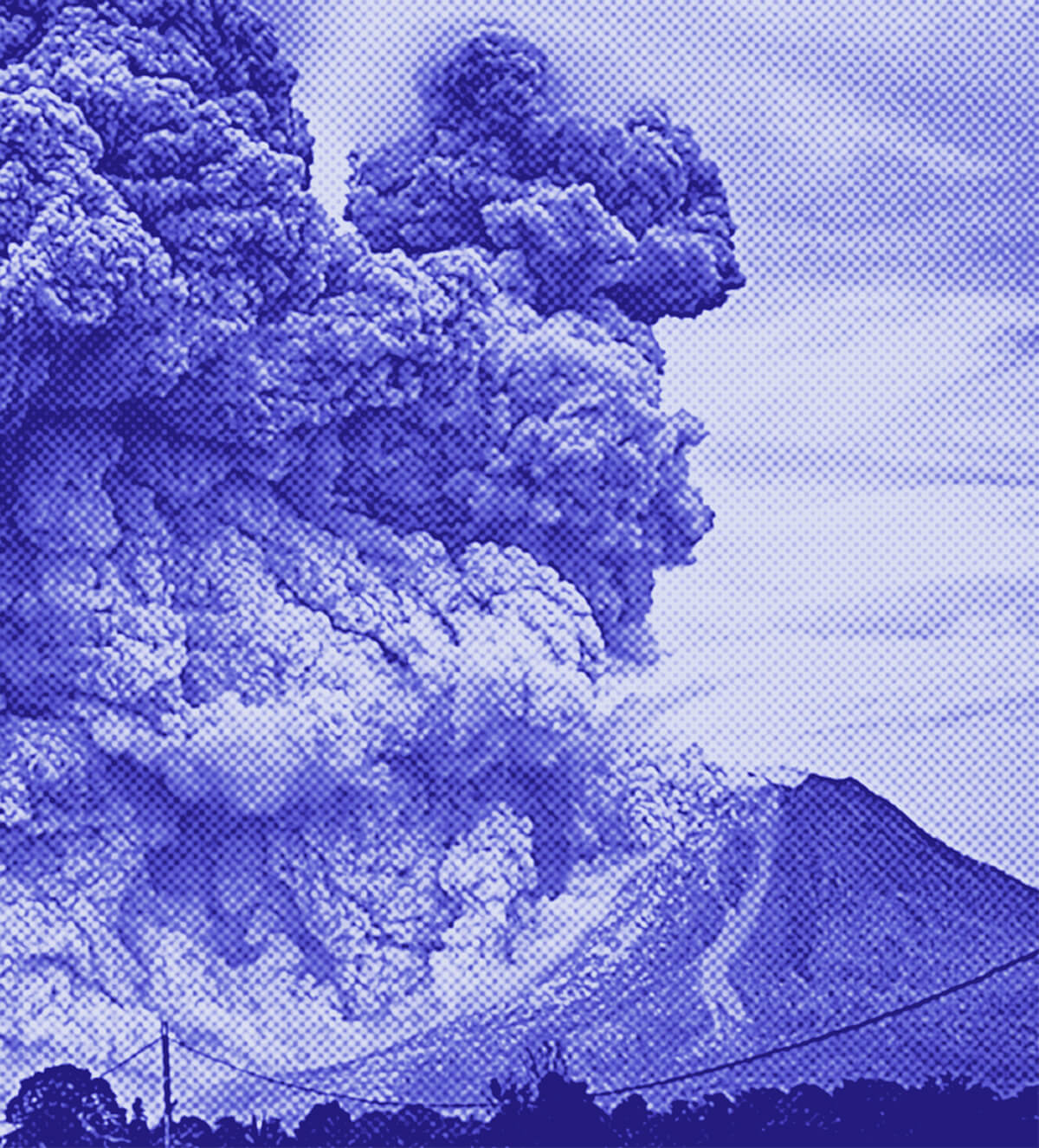
Kilauea, an active volcano on the island of Hawaii, erupted on March 10, 2026, sending over 1,000 feet of lava into the air. The event marks the 43rd episode in the volcano's ongoing eruption that began on December 23, 2024. The eruption caused hazardous conditions with volcanic ash and small glassy fragments, leading to the closure of a local highway and the cancellation of flights between Honolulu and Hilo.
Why it matters
Kilauea is Hawaii's youngest and most active volcano, with a history of eruptions that can significantly impact the local community and infrastructure. This latest eruption highlights the ongoing geologic activity in the region and the need for preparedness and response plans to manage the risks associated with volcanic events.
The details
The initial lava fountains were first reported around 9:17 a.m. local time on March 10, with the eruption ending around 6:21 p.m. the same day. The National Park Service closed Kilauea's summit due to the presence of volcanic ash and tephra, small volcanic fragments that can cause skin, eye, and respiratory irritation. This led to the closure of local Highway 11 and the cancellation of flights between Honolulu and Hilo, where Kilauea is located.
- The eruption began on March 10, 2026 at around 9:17 a.m. local time.
- The eruption ended on March 10, 2026 at around 6:21 p.m. local time.
- Kilauea's ongoing eruption began on December 23, 2024.
The players
Kilauea
An active volcano on the island of Hawaii, estimated to be around 280,000 years old and the island's youngest and most active volcano.
U.S. Geological Survey (USGS)
The government agency that has launched an ongoing livestream capturing the volcano's activity.
National Park Service (NPS)
The agency that closed Kilauea's summit due to the presence of volcanic ash and tephra.
What they’re saying
“Volcanic ash and larger pieces of tephra are still prevalent in areas around the summit.”
— Hawaii Volcanoes National Park
“Officials with the U.S. Geological Survey warned residents and visitors to minimize exposure to tephra, which they said 'can cause skin, eye, and respiratory irritation.'”
— U.S. Geological Survey
What’s next
The National Park Service has stated that Highway 11 has been reopened, but residents should expect temporary closures of other areas around the summit as the cleanup and monitoring of the volcanic activity continues.
The takeaway
Kilauea's latest eruption serves as a reminder of the ongoing geologic activity in Hawaii and the need for robust emergency preparedness and response plans to mitigate the risks posed by volcanic events, which can significantly impact local infrastructure and communities.