- Today
- Holidays
- Birthdays
- Reminders
- Cities
- Atlanta
- Austin
- Baltimore
- Berwyn
- Beverly Hills
- Birmingham
- Boston
- Brooklyn
- Buffalo
- Charlotte
- Chicago
- Cincinnati
- Cleveland
- Columbus
- Dallas
- Denver
- Detroit
- Fort Worth
- Houston
- Indianapolis
- Knoxville
- Las Vegas
- Los Angeles
- Louisville
- Madison
- Memphis
- Miami
- Milwaukee
- Minneapolis
- Nashville
- New Orleans
- New York
- Omaha
- Orlando
- Philadelphia
- Phoenix
- Pittsburgh
- Portland
- Raleigh
- Richmond
- Rutherford
- Sacramento
- Salt Lake City
- San Antonio
- San Diego
- San Francisco
- San Jose
- Seattle
- Tampa
- Tucson
- Washington
Kilauea Today
By the People, for the People
Hawaii Volcanoes National Park Evacuated After Kilauea Eruption
Visitors with overnight reservations were allowed to shelter in place during the eruption.
Published on Mar. 11, 2026
Got story updates? Submit your updates here. ›
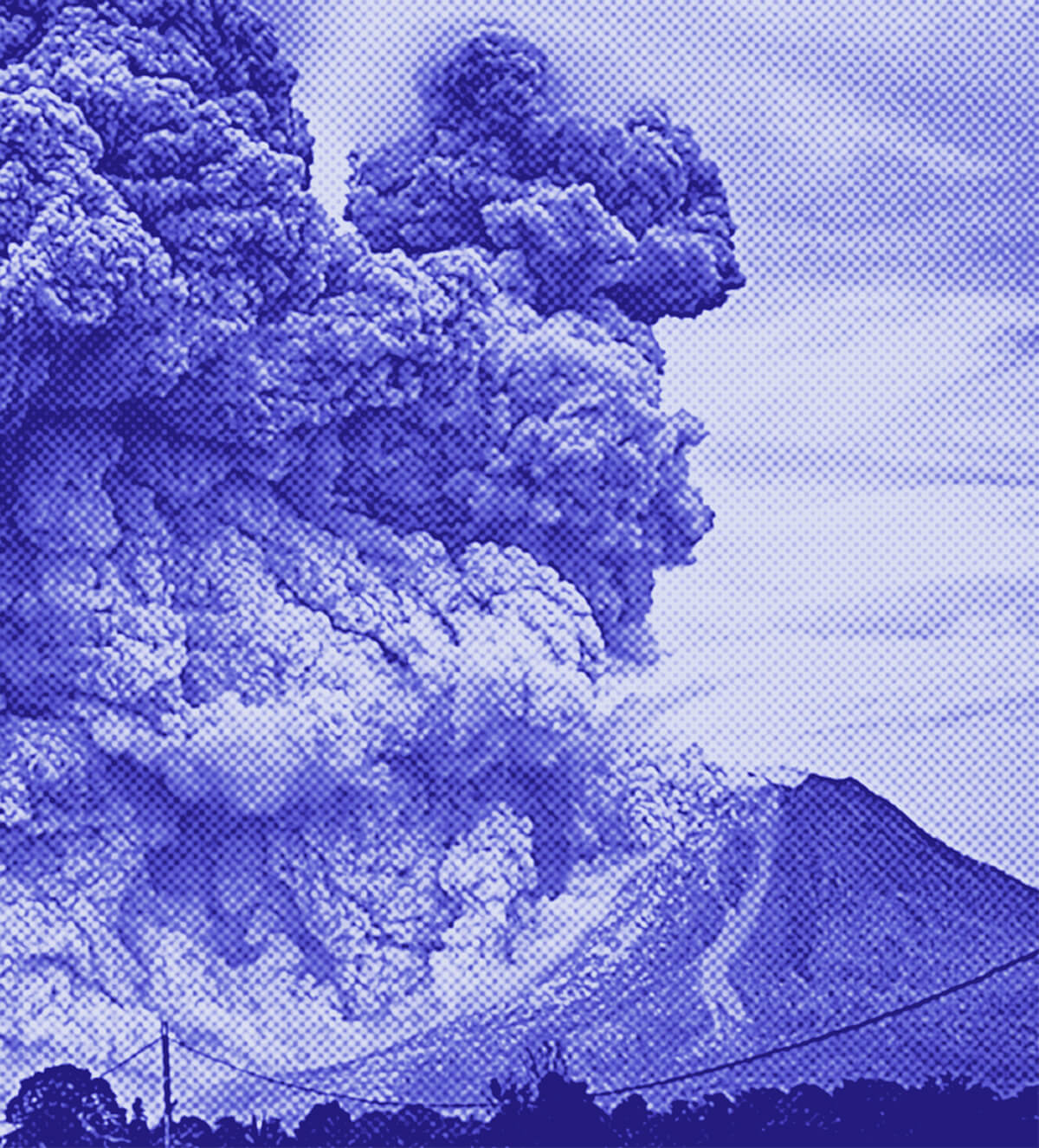
Hawaii Volcanoes National Park was evacuated on March 10, 2026 after the Kilauea volcano summit erupted, sending hazardous debris like volcanic rock, ash, and glass particles into the air. The National Park Service issued an evacuation order and closed the park, though visitors with overnight reservations were allowed to remain in the park and shelter in place. The eruption caused the volcano to shoot lava fountains as high as 1,300 feet, creating large amounts of tephra that was carried down the summit by high winds.
Why it matters
Volcanic eruptions in Hawaii are not uncommon, but this was the second time in 2026 that Kilauea has erupted, disrupting the lives of local residents and tourists visiting the national park. The evacuation and park closure highlights the risks and precautions that must be taken when an active volcano like Kilauea becomes volatile.
The details
According to the National Park Service, the eruption began around 9:17 a.m. local time, prompting the evacuation order and park closure. The hazardous debris included volcanic rock, ash, and glass particles that were being carried by high winds. Even though overnight visitors were allowed to remain in the park, they were asked to shelter in place as a safety precaution. The U.S. Geological Survey had the park at an Alert Level: Watch, Color Code: Orange as of the following day, indicating the eruption was still ongoing.
- The eruption began around 9:17 a.m. local time on March 10, 2026.
- The National Park Service issued the evacuation order and park closure on March 10, 2026.
The players
Kilauea
An active volcano located within Hawaii Volcanoes National Park.
National Park Service (NPS)
The U.S. federal agency responsible for managing and preserving the country's national parks, including Hawaii Volcanoes National Park.
U.S. Geological Survey (USGS)
A scientific agency of the United States government that studies the landscape, natural resources, and natural hazards of the country, including volcanic activity.
What’s next
Once the danger of the tephra has passed and roadways have been cleared, visitors will be able to resume viewing and travel in Hawaii Volcanoes National Park.
The takeaway
This eruption of Kilauea volcano serves as a reminder of the ongoing risks and disruptions that active volcanoes can pose to both local residents and tourists visiting national parks in Hawaii. It highlights the importance of heeding evacuation orders and safety warnings issued by authorities to avoid potential harm.