- Today
- Holidays
- Birthdays
- Reminders
- Cities
- Atlanta
- Austin
- Baltimore
- Berwyn
- Beverly Hills
- Birmingham
- Boston
- Brooklyn
- Buffalo
- Charlotte
- Chicago
- Cincinnati
- Cleveland
- Columbus
- Dallas
- Denver
- Detroit
- Fort Worth
- Houston
- Indianapolis
- Knoxville
- Las Vegas
- Los Angeles
- Louisville
- Madison
- Memphis
- Miami
- Milwaukee
- Minneapolis
- Nashville
- New Orleans
- New York
- Omaha
- Orlando
- Philadelphia
- Phoenix
- Pittsburgh
- Portland
- Raleigh
- Richmond
- Rutherford
- Sacramento
- Salt Lake City
- San Antonio
- San Diego
- San Francisco
- San Jose
- Seattle
- Tampa
- Tucson
- Washington
Kilauea Today
By the People, for the People
Mount Kilauea Erupts in Hawaii
Volcanic activity reported on Big Island, prompting evacuations.
Published on Feb. 16, 2026
Got story updates? Submit your updates here. ›
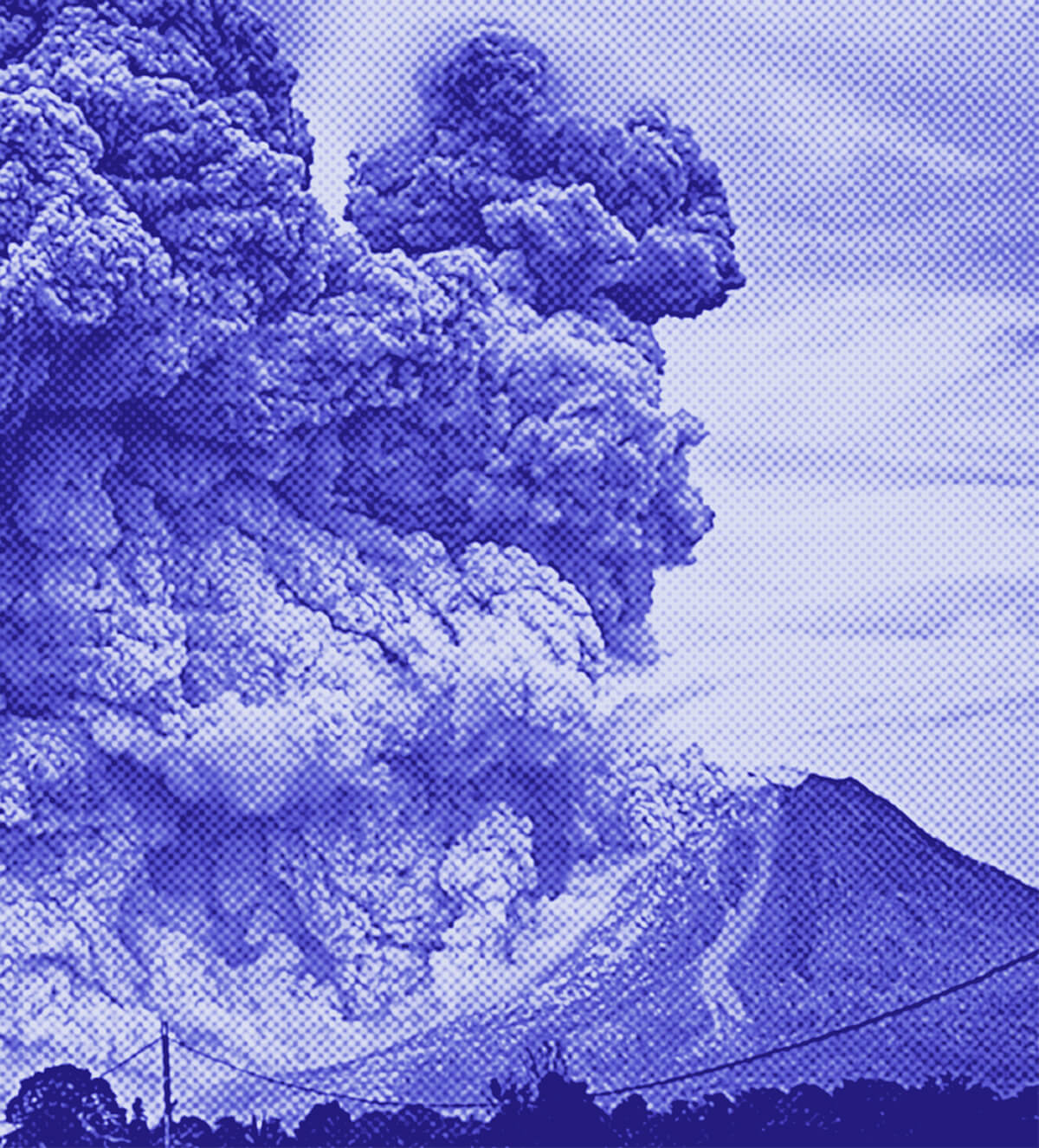
Mount Kilauea, one of the most active volcanoes in the world, has erupted on Hawaii's Big Island, prompting evacuations in nearby areas. The eruption began early this morning, with lava and ash spewing from the volcano's summit crater. Authorities have issued warnings for residents to avoid the area and prepare for potential ashfall.
Why it matters
Kilauea is a major tourist attraction in Hawaii, drawing visitors from around the world to witness its dramatic volcanic activity. However, eruptions can pose serious risks to nearby communities, with the potential for lava flows, ashfall, and other hazardous conditions. This latest eruption is a reminder of the power and unpredictability of Hawaii's volcanoes.
The details
According to the U.S. Geological Survey, the eruption at Kilauea's summit began around 4:00 am local time. Lava and ash have been spewing from the Halema'uma'u crater, with a plume of volcanic gas rising thousands of feet into the air. Authorities have issued a red alert, the highest level of warning, and have ordered evacuations for residents living within a 3-mile radius of the volcano.
- The eruption began around 4:00 am local time on February 16, 2026.
The players
U.S. Geological Survey
The U.S. Geological Survey is a scientific agency that monitors and studies the nation's geological resources, including volcanoes.
Kilauea
Kilauea is an active shield volcano located on the island of Hawai'i. It is one of the most active volcanoes in the world, with a history of frequent eruptions.
What’s next
Authorities will continue to monitor the situation and provide updates on the eruption and any necessary evacuations or safety precautions. Geologists will also study the eruption to better understand Kilauea's volcanic activity.
The takeaway
The eruption of Mount Kilauea serves as a reminder of the power and unpredictability of Hawaii's volcanoes, and the importance of being prepared for potential natural disasters in the region.