- Today
- Holidays
- Birthdays
- Reminders
- Cities
- Atlanta
- Austin
- Baltimore
- Berwyn
- Beverly Hills
- Birmingham
- Boston
- Brooklyn
- Buffalo
- Charlotte
- Chicago
- Cincinnati
- Cleveland
- Columbus
- Dallas
- Denver
- Detroit
- Fort Worth
- Houston
- Indianapolis
- Knoxville
- Las Vegas
- Los Angeles
- Louisville
- Madison
- Memphis
- Miami
- Milwaukee
- Minneapolis
- Nashville
- New Orleans
- New York
- Omaha
- Orlando
- Philadelphia
- Phoenix
- Pittsburgh
- Portland
- Raleigh
- Richmond
- Rutherford
- Sacramento
- Salt Lake City
- San Antonio
- San Diego
- San Francisco
- San Jose
- Seattle
- Tampa
- Tucson
- Washington
DOH Releases New North Shore Flood Contamination Data
Department of Health advises ongoing precautions for communities affected by recent Kona Low storms
Apr. 9, 2026 at 3:38am
Got story updates? Submit your updates here. ›
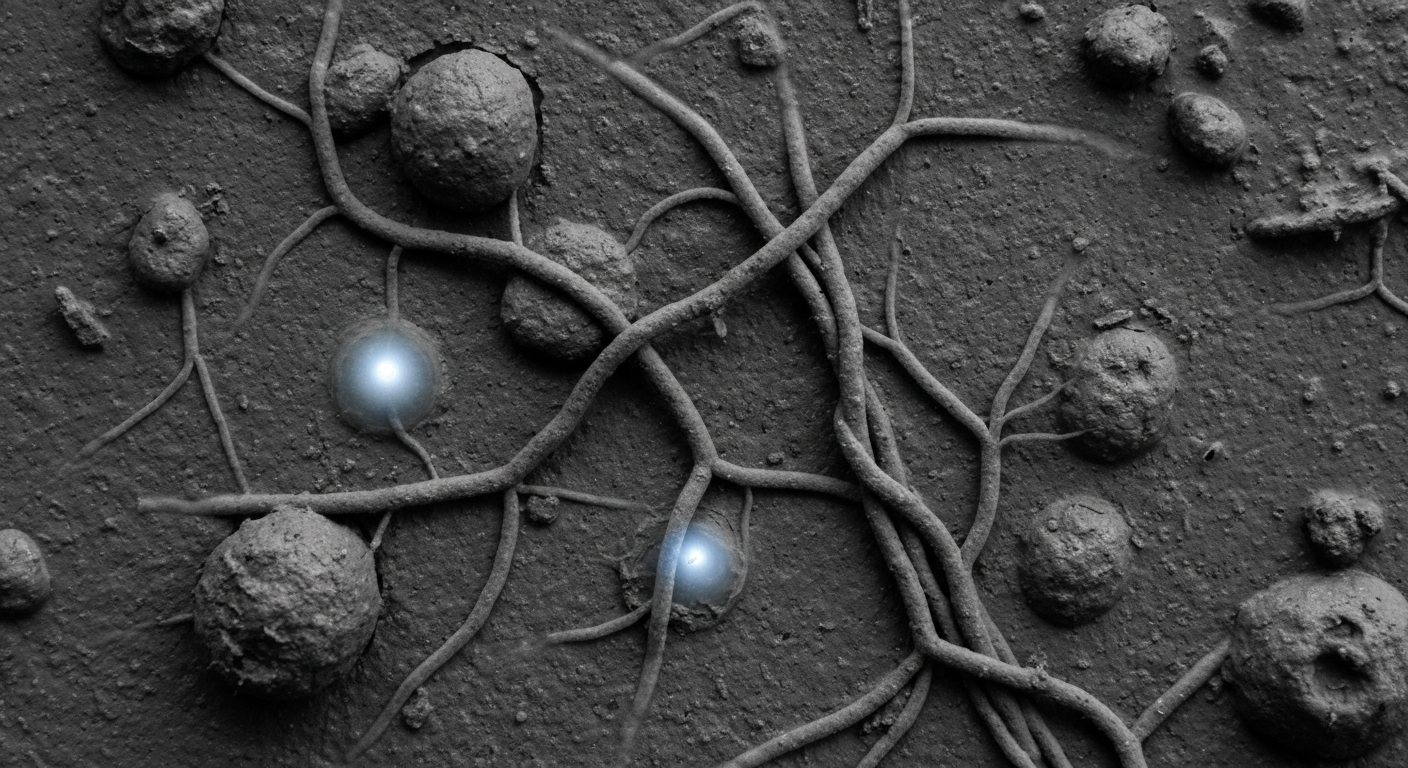 An X-ray view into the unseen dangers lurking in flood-affected mud and sediment, underscoring the need for caution and protective measures.Honolulu Today
The Hawaiʻi Department of Health (DOH) has released additional test results from mud and sediment samples collected in North Shore areas impacted by recent Kona Low storms. The samples detected the presence of several types of bacteria, including Staphylococcus aureus, Clostridium perfringens, and Leptospira, in addition to previously announced findings of E. coli, Enterococcus, and Salmonella. DOH is advising residents to take precautions when handling flood-affected mud, soil, or standing water to prevent potential health risks.
Why it matters
The presence of these contaminants in flood-carried mud and sediment is common after major storm events, but testing is not routinely conducted. These findings underscore the need for ongoing community vigilance and protective measures to mitigate health risks, especially as Hawaii continues to experience severe weather patterns.
The details
Initial samples were collected from three sites where mud from impacted North Shore communities is being consolidated, as well as one floodwater drainage site. The samples were tested for a range of bacteria and pathogens typically found in floodwaters and associated mud, including E. coli, Salmonella, Enterococcus, Hepatitis A, Staphylococcus aureus, Campylobacter, Clostridium perfringens, Clostridium tetani, and Leptospira. While Hepatitis A and Campylobacter were not detected, the presence of the other contaminants was confirmed.
- The DOH released the additional test results on April 9, 2026.
- The samples were collected in the aftermath of recent Kona Low storms that impacted the North Shore of Hawaii.
The players
Hawaiʻi Department of Health (DOH)
The state agency responsible for protecting public health and the environment in Hawaii.
What’s next
DOH is awaiting additional sampling results for Clostridium tetani, legacy pesticides, and metals. The department continues to advise residents in affected areas to take precautions when handling flood-related mud, soil, or standing water.
The takeaway
These findings highlight the importance of community vigilance and protective measures in the aftermath of major storm events, as floodwaters can carry a range of harmful contaminants that pose health risks. As Hawaii faces more severe weather patterns, the state's public health agency remains committed to monitoring environmental conditions and providing guidance to keep residents safe.
Honolulu top stories


Honolulu events

Apr. 9, 2026
Cirque du Soleil: Auana
Apr. 9, 2026
Cirque du Soleil: Auana
Apr. 9, 2026
Lenka With Opener Jenny Yim