- Today
- Holidays
- Birthdays
- Reminders
- Cities
- Atlanta
- Austin
- Baltimore
- Berwyn
- Beverly Hills
- Birmingham
- Boston
- Brooklyn
- Buffalo
- Charlotte
- Chicago
- Cincinnati
- Cleveland
- Columbus
- Dallas
- Denver
- Detroit
- Fort Worth
- Houston
- Indianapolis
- Knoxville
- Las Vegas
- Los Angeles
- Louisville
- Madison
- Memphis
- Miami
- Milwaukee
- Minneapolis
- Nashville
- New Orleans
- New York
- Omaha
- Orlando
- Philadelphia
- Phoenix
- Pittsburgh
- Portland
- Raleigh
- Richmond
- Rutherford
- Sacramento
- Salt Lake City
- San Antonio
- San Diego
- San Francisco
- San Jose
- Seattle
- Tampa
- Tucson
- Washington
Georgia Oyster Farmers Gain Expanded Summer Harvest Window
New regulations allow for longer daily harvest periods to boost revenue and ensure food safety.
Mar. 31, 2026 at 9:03am
Got story updates? Submit your updates here. ›
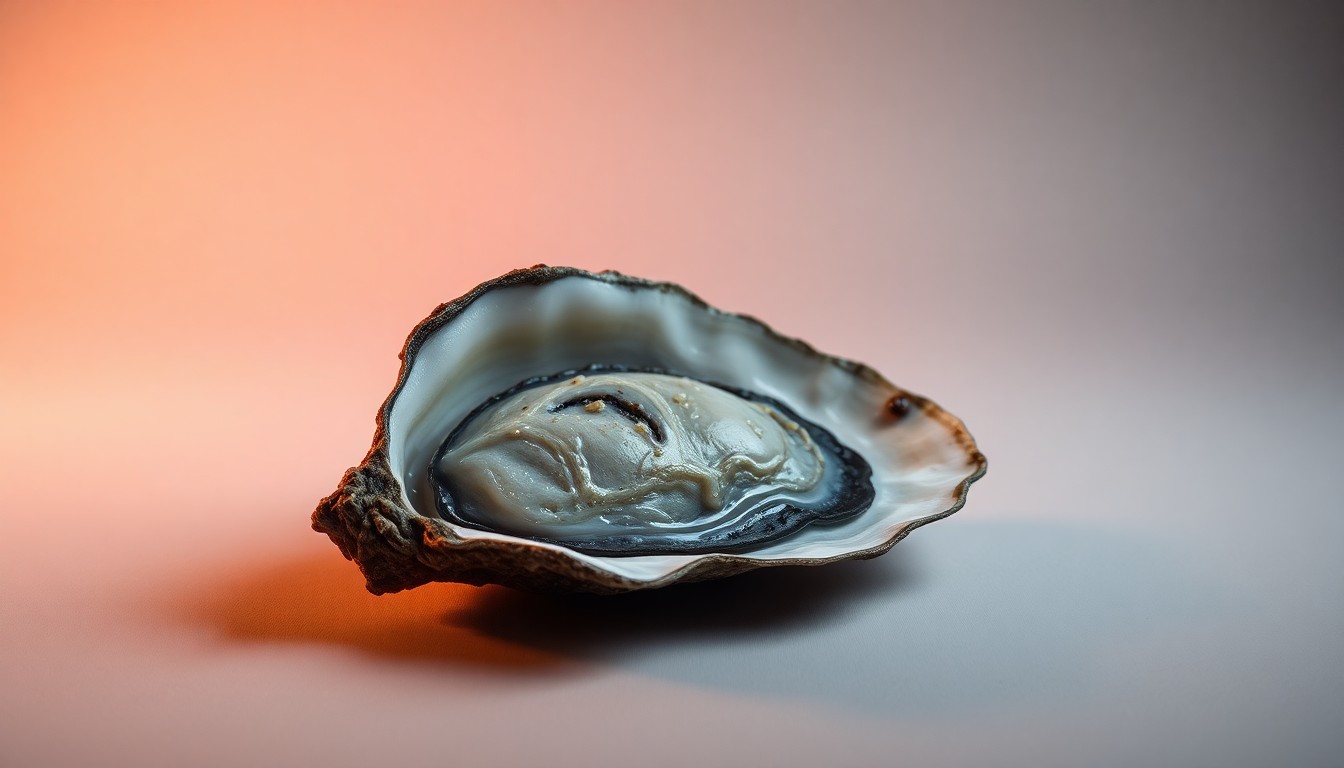 A single freshly harvested Georgia oyster shell, a symbol of the state's growing aquaculture industry and new regulations allowing for expanded summer harvests.Savannah Today
Georgia's oyster farmers could soon see an expanded summer harvest window, allowing them to collect oysters for a longer period each day. The Georgia Department of Natural Resources has proposed a rule change that would extend the daily harvest window from 30 minutes before sunset to 10 a.m., up from the previous 2-hour window. This change comes after a University of Georgia study found that rapid chilling of oysters after harvest can keep Vibrio bacteria levels below safety thresholds, even with the longer harvest period.
Why it matters
The expanded summer harvest window is expected to boost revenue for Georgia's oyster farmers, who previously could only harvest during a short 2-hour window each morning. It also helps address food safety concerns around the Vibrio bacteria, which can cause illness if oysters are not properly chilled. As climate change causes waters to warm, the risk of Vibrio growth increases, making rapid chilling after harvest even more critical.
The details
Last year, Georgia's Department of Natural Resources (DNR) Coastal Resources Division allowed summer oyster harvesting for the first time, as long as the oysters were chilled to 45°F within 2 hours of being pulled from the water. This added 4 months of revenue for farms like Tybee Oyster Company, but the short daily harvest window felt like a 'sprint' for farmers. After working with University of Georgia researchers, the DNR has now proposed expanding the daily harvest window from 30 minutes before sunset to 10 a.m., as long as the oysters are still rapidly chilled. The UGA study found that this longer window still keeps Vibrio bacteria levels below safety thresholds.
- Last year, Georgia DNR allowed summer oyster harvesting for the first time.
- The public comment period on the proposed harvest window expansion runs until April 23, 2026.
- The Georgia DNR Board of Natural Resources will likely make a decision on the new rules 5 days after the public comment period ends.
The players
Laura Solomon
Co-owner of Tybee Oyster Company, one of the first oyster aquaculture farms in Georgia.
Perry Soloman
Co-owner of Tybee Oyster Company, one of the first oyster aquaculture farms in Georgia.
Thomas Bliss
Director of the Shellfish Research Lab at the University of Georgia Marine Extension and Georgia Sea Grant.
Georgia Department of Natural Resources (DNR) Coastal Resources Division
The state agency that regulates and oversees oyster aquaculture in Georgia.
University of Georgia (UGA)
The state's public research university that conducted a study on Vibrio bacteria levels in oysters to help inform the new harvest regulations.
What they’re saying
“Last summer, we collected more samples at different time intervals from right out of the water to four and a half hours after harvest. The testing indicated that the samples were safe.”
— Thomas Bliss, Director of the Shellfish Research Lab at the University of Georgia Marine Extension and Georgia Sea Grant
“Every state varies how they do it based on their testing. The whole idea is just to keep everybody safe, and [for farmers] to do their due diligence.”
— Thomas Bliss, Director of the Shellfish Research Lab at the University of Georgia Marine Extension and Georgia Sea Grant
What’s next
The Georgia DNR Board of Natural Resources will likely make a decision on the proposed harvest window expansion 5 days after the public comment period ends on April 23, 2026.
The takeaway
This regulatory change balances the economic needs of Georgia's growing oyster aquaculture industry with critical food safety standards, allowing farmers to boost revenue during the summer months while still ensuring oysters are properly chilled to prevent the spread of dangerous Vibrio bacteria.
Savannah top stories


Savannah events

Apr. 3, 2026
World Ballet Company: Swan Lake