- Today
- Holidays
- Birthdays
- Reminders
- Cities
- Atlanta
- Austin
- Baltimore
- Berwyn
- Beverly Hills
- Birmingham
- Boston
- Brooklyn
- Buffalo
- Charlotte
- Chicago
- Cincinnati
- Cleveland
- Columbus
- Dallas
- Denver
- Detroit
- Fort Worth
- Houston
- Indianapolis
- Knoxville
- Las Vegas
- Los Angeles
- Louisville
- Madison
- Memphis
- Miami
- Milwaukee
- Minneapolis
- Nashville
- New Orleans
- New York
- Omaha
- Orlando
- Philadelphia
- Phoenix
- Pittsburgh
- Portland
- Raleigh
- Richmond
- Rutherford
- Sacramento
- Salt Lake City
- San Antonio
- San Diego
- San Francisco
- San Jose
- Seattle
- Tampa
- Tucson
- Washington
Fayetteville Today
By the People, for the People
Acupuncture's Bidirectional Regulatory Effect Explained by Modern Neuroscience
Study proposes refined model of how acupuncture stabilizes physiological homeostasis through coordinated neural pathways.
Apr. 3, 2026 at 12:37pm
Got story updates? Submit your updates here. ›
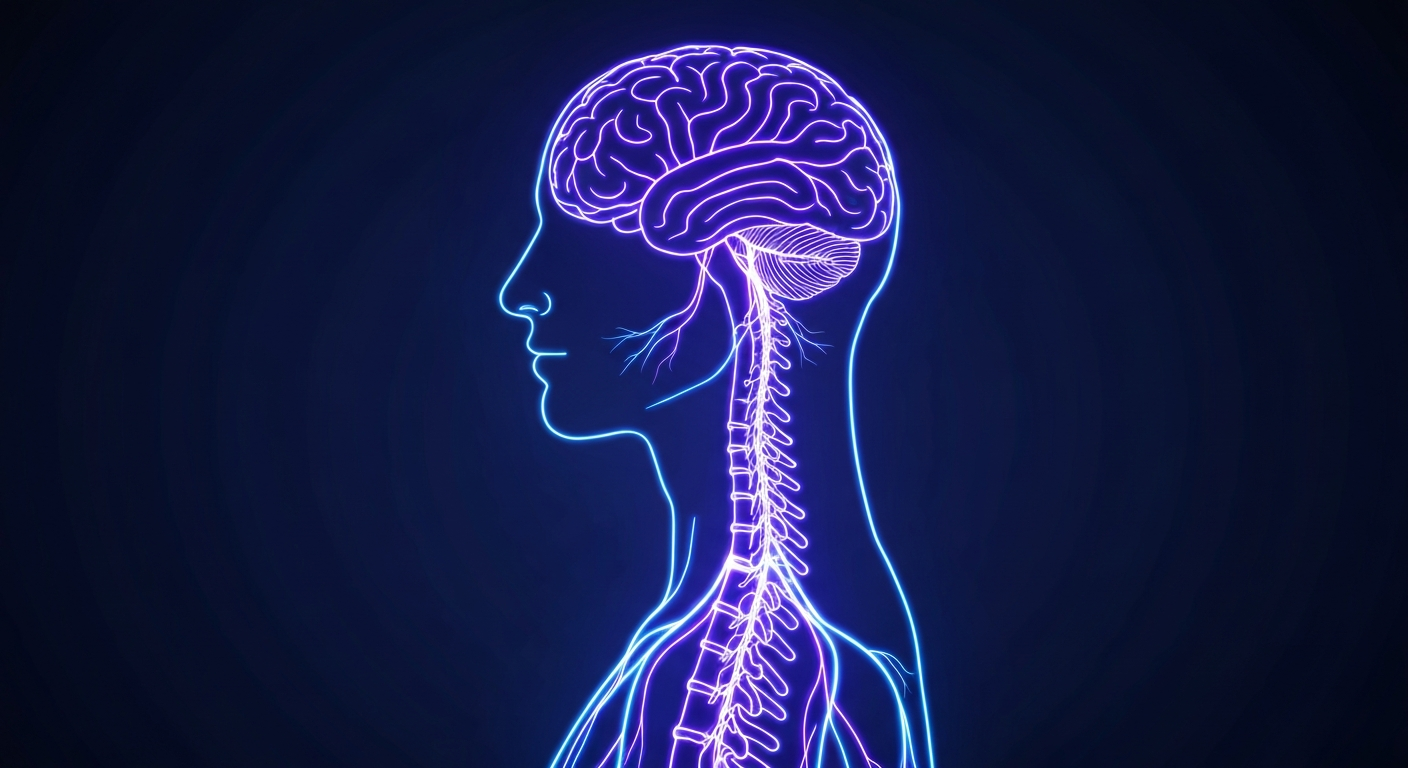 Acupuncture's targeted somatic stimulation activates distinct neural circuits to restore physiological balance.Fayetteville Today
A new study re-examines the 'bidirectional regulation' effect of acupuncture, proposing that therapeutic outcomes arise from coordinated activation of two sets of relatively independent regulatory systems rather than a single, self-contradictory mechanism. The research elaborates on acupuncture's negative feedback mechanisms and their bidirectional regulatory patterns, offering a more precise framework for understanding how targeted somatic stimulation contributes to systemic balance.
Why it matters
This refined understanding of acupuncture's regulatory mechanisms has important implications for both research and clinical practice. By distinguishing segment-specific from system-level effects, practitioners can design more precise treatment strategies aligned with the underlying neural pathways of disease. For researchers, the framework offers testable hypotheses that bridge traditional concepts with modern neuroscience, potentially improving experimental design and advancing the clinical standardization of acupuncture.
The details
The study systematically analyzed experimental and clinical evidence to elucidate how acupuncture recruits autonomic and central regulatory circuitry to sustain homeostasis. The authors propose a model in which different acupoints activate distinct neural circuits, collectively contributing to the stabilization of physiological set points rather than producing contradictory effects through a single pathway. The research distinguishes between 'homotopic acupoints' that exert specific regulatory effects on target organs innervated by the same spinal segment, and 'heterotopic acupoints' that modulate organ function across spinal segments.
- The study's findings were reported in May 2025 in the journal of Acupuncture Research.
The players
Institute of Acupuncture and Moxibustion, China Academy of Chinese Medical Sciences
The research institution that conducted the study on acupuncture's bidirectional regulatory effect.
What’s next
The study's framework offers testable hypotheses that bridge traditional acupuncture concepts with modern neuroscience, potentially leading to improved experimental design and advancing the clinical standardization of acupuncture.
The takeaway
This study provides a solid scientific explanation for acupuncture's bidirectional regulatory effect, grounding it in established neurophysiological principles. By distinguishing segment-specific from system-level effects, it offers a more precise model for understanding how acupuncture contributes to physiological homeostasis.
Fayetteville top stories

Fayetteville events

Apr. 10, 2026
The Blues Is Alright Tour