- Today
- Holidays
- Birthdays
- Reminders
- Cities
- Atlanta
- Austin
- Baltimore
- Berwyn
- Beverly Hills
- Birmingham
- Boston
- Brooklyn
- Buffalo
- Charlotte
- Chicago
- Cincinnati
- Cleveland
- Columbus
- Dallas
- Denver
- Detroit
- Fort Worth
- Houston
- Indianapolis
- Knoxville
- Las Vegas
- Los Angeles
- Louisville
- Madison
- Memphis
- Miami
- Milwaukee
- Minneapolis
- Nashville
- New Orleans
- New York
- Omaha
- Orlando
- Philadelphia
- Phoenix
- Pittsburgh
- Portland
- Raleigh
- Richmond
- Rutherford
- Sacramento
- Salt Lake City
- San Antonio
- San Diego
- San Francisco
- San Jose
- Seattle
- Tampa
- Tucson
- Washington
Modern Radiotherapy Reduces Heart Disease Risk for Breast Cancer Patients
Retrospective study finds minimal long-term cardiovascular risk with left-sided breast radiation using contemporary techniques.
Apr. 7, 2026 at 2:36pm
Got story updates? Submit your updates here. ›
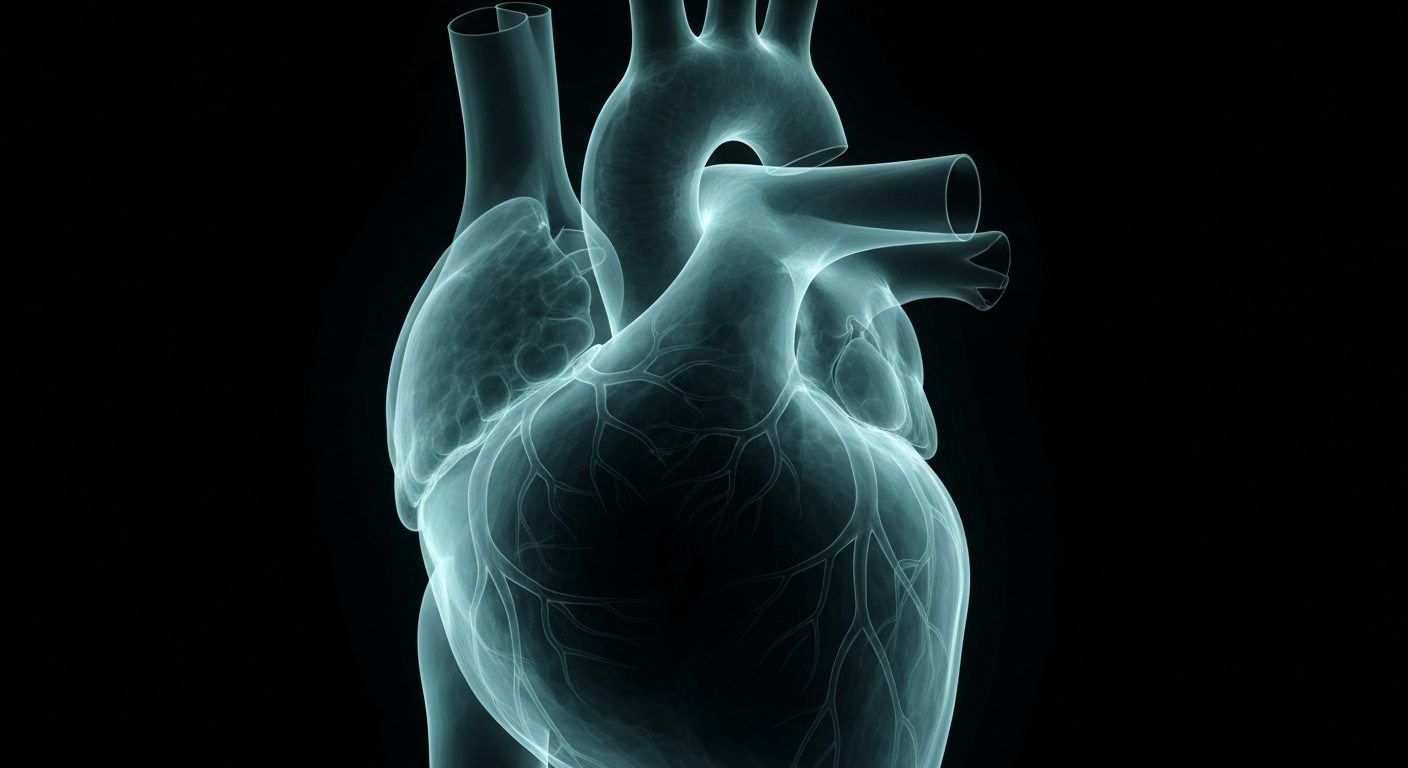 A translucent X-ray view of the heart reveals the potential cardiovascular impacts of breast cancer radiation therapy, which modern techniques have worked to minimize.Augusta Today
A large retrospective study found that the use of modern external beam radiation therapy (EBRT) techniques has largely mitigated the excess long-term cardiovascular mortality and morbidity historically associated with left-sided breast cancer treatment. The 15-year cumulative incidence of first cardiovascular disease hospitalization was similar between women with left- and right-sided breast cancer, suggesting contemporary EBRT has reduced the cardiovascular risks.
Why it matters
Breast radiotherapy techniques used before the 1980s exposed surrounding organs to large doses of radiation, putting women with left-sided tumors at higher risk of developing cardiovascular disease compared to those with right-sided tumors. This study provides reassurance that modern radiation approaches have largely eliminated this historical disparity in cardiovascular outcomes.
The details
The study analyzed data on 76,586 women in Ontario, Canada who received EBRT for unilateral breast cancer from 2002 to 2017. During a median follow-up of 10.9 years, the 15-year cumulative incidence of first cardiovascular disease hospitalization was 13.8% for those with left-sided cancer and 13.5% for right-sided cancer, a non-significant difference. The authors noted that for women with pre-existing cardiovascular disease, new diagnoses of heart failure and ischemic heart disease were slightly more common after left-sided EBRT.
- The study followed women from April 2002 through February 2025 for most outcomes, and through December 2022 for cause-specific mortality.
- The women in the study received EBRT for unilateral breast cancer diagnoses from April 2002 through December 2017.
The players
Husam Abdel-Qadir
MD, PhD, of Women's College Hospital in Toronto, and lead author of the study.
Avirup Guha
MD, MPH, of the Medical College of Georgia at Augusta University, and author of the accompanying commentary.
What they’re saying
“The findings in this study "provide population-level reassurance that modern radiation techniques have largely mitigated the excess long-term cardiovascular mortality and morbidity historically associated with left-sided [breast cancer] treatment for women with typical radiation exposure.”
— Husam Abdel-Qadir, MD, PhD
“For patients with low baseline CVD risk and low anticipated cardiac exposure, the incremental absolute risk from contemporary radiotherapy may be very small, often outweighed by oncologic benefit. For patients with high baseline risk or higher expected cardiac exposure, the same relative effect can translate into a larger absolute excess risk, making cardiac-sparing imperative.”
— Avirup Guha, MD, MPH
What’s next
The researchers noted several limitations of the study, including the use of administrative data that lacked details on radiation treatment characteristics and plans. Further research is needed to assess the long-term cardiovascular impacts of more targeted radiation approaches, such as partial breast irradiation.
The takeaway
This large population-based study provides reassurance that modern radiation therapy techniques have significantly reduced the historical cardiovascular risks associated with left-sided breast cancer treatment. However, clinicians should still carefully consider individual patient factors, such as baseline cardiovascular disease risk, when counseling patients on the potential cardiac impacts of breast radiation therapy.
Augusta top stories


Augusta events

Apr. 15, 2026
David Sedaris