- Today
- Holidays
- Birthdays
- Reminders
- Cities
- Atlanta
- Austin
- Baltimore
- Berwyn
- Beverly Hills
- Birmingham
- Boston
- Brooklyn
- Buffalo
- Charlotte
- Chicago
- Cincinnati
- Cleveland
- Columbus
- Dallas
- Denver
- Detroit
- Fort Worth
- Houston
- Indianapolis
- Knoxville
- Las Vegas
- Los Angeles
- Louisville
- Madison
- Memphis
- Miami
- Milwaukee
- Minneapolis
- Nashville
- New Orleans
- New York
- Omaha
- Orlando
- Philadelphia
- Phoenix
- Pittsburgh
- Portland
- Raleigh
- Richmond
- Rutherford
- Sacramento
- Salt Lake City
- San Antonio
- San Diego
- San Francisco
- San Jose
- Seattle
- Tampa
- Tucson
- Washington
Georgia Drought Worsens, Straining Farmers and Waterways
Exceptional drought conditions cover 18% of the state, raising concerns about water levels and crop yields.
Apr. 12, 2026 at 8:07pm
Got story updates? Submit your updates here. ›
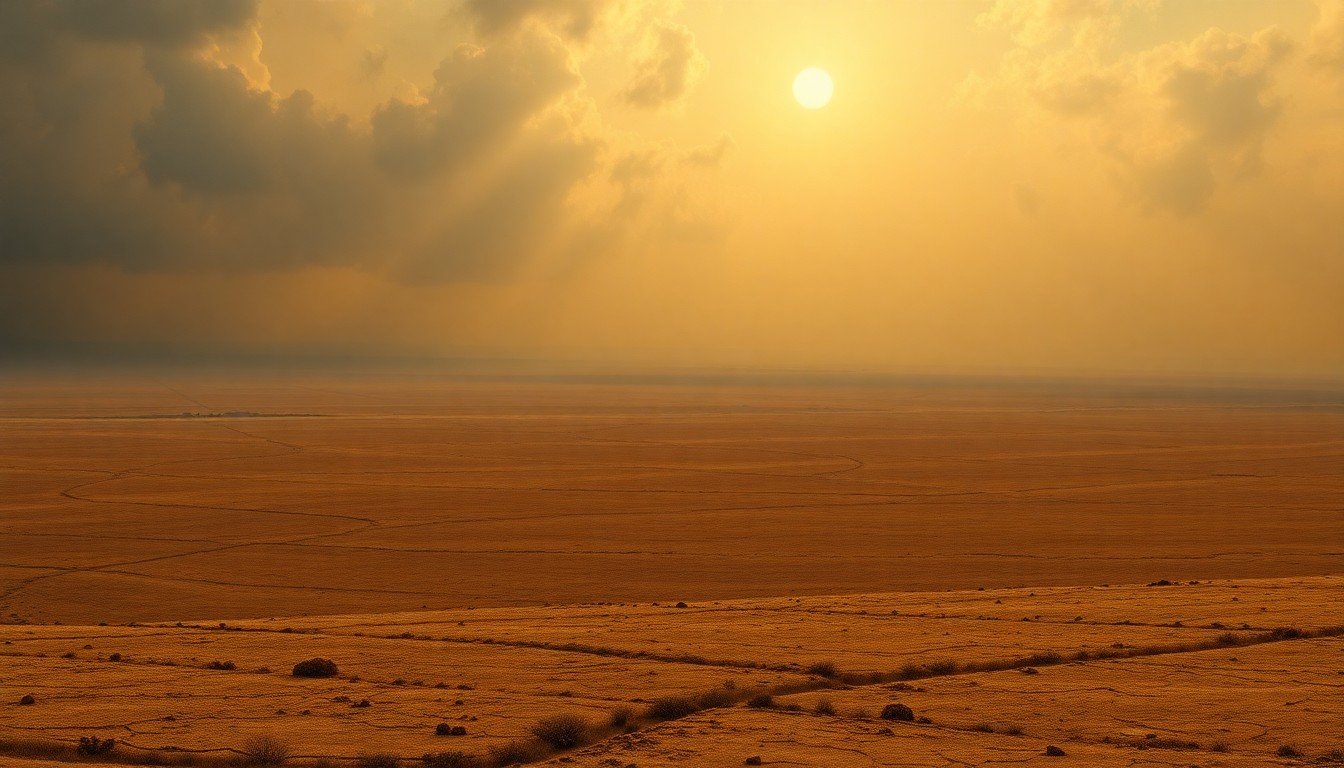 The relentless drought in Georgia has transformed once-lush farmlands into a desolate, sun-scorched landscape, testing the resilience of the state's agricultural communities.Atlanta Today
Drought conditions are worsening across Georgia, with 98% of the state experiencing some level of drought and 18% in the most severe exceptional drought category. The dry conditions are putting pressure on rivers and lakes, including the Chattahoochee River and Lake Lanier, a major water source for metro Atlanta. Farmers are facing challenges during planting season, with the dry, hard clay damaging equipment and potentially reducing crop yields and quality for major Georgia crops like cotton, peanuts, and wheat.
Why it matters
The worsening drought in Georgia is a significant concern, as it threatens the state's vital agricultural industry and water resources. Reduced crop yields could lead to higher food prices, while low river and lake levels could impact water supply and hydroelectric power generation. The drought also increases the risk of wildfires, which can further damage the environment and property.
The details
According to the latest U.S. Drought Monitor report, 98% of Georgia is experiencing some level of drought, with 18% of the state in the exceptional drought category, the most severe. Forecasters do not expect meaningful rain in the coming days, and temperatures are expected to climb into the upper 80s and near 90 degrees, further drying vegetation and increasing fire danger. Along the Chattahoochee River north of Atlanta, the dry stretch is raising concerns about water levels, which can impact river flow and contribute to dropping lake levels, including at Lake Lanier, a major water source for metro Atlanta. Farmers, such as Lee Nunn and Donald Chase, are facing challenges during planting season, with the dry, hard clay damaging equipment and potentially reducing crop yields and quality for major Georgia crops like cotton, peanuts, and wheat.
- The latest U.S. Drought Monitor report was released on Thursday, April 12, 2026.
- The next U.S. Drought Monitor update is expected next week.
The players
Lee Nunn
A farmer in Morgan County, Georgia who is experiencing the effects of the drought on his crops and equipment.
Donald Chase
A farmer in Oglethorpe, Georgia who is using irrigation to protect his crops, but is concerned about the increased costs and strain on water resources if the drought continues.
What they’re saying
“That's almost like a brick-hard Georgia red clay. It's super dry.”
— Lee Nunn, Farmer
“If you see pivots running, understand that is raising the cost of producing that crop.”
— Donald Chase, Farmer
What’s next
The next U.S. Drought Monitor update is expected next week, which will provide further insight into the severity and extent of the drought in Georgia.
The takeaway
The worsening drought in Georgia is a significant challenge for the state's farmers and water resources. Reduced crop yields, increased costs, and strain on water supplies could have far-reaching impacts on the local and regional economy. Monitoring the drought conditions and implementing conservation measures will be crucial in the coming months.
Atlanta top stories


Atlanta events

Apr. 13, 2026
Atlanta Braves vs. Miami Marlins
Apr. 13, 2026
Atlanta Braves v. Miami Marlins * Premium Seating *
Apr. 13, 2026
The Boulet Brothers Dragula: Titans 2 Tour