- Today
- Holidays
- Birthdays
- Reminders
- Cities
- Atlanta
- Austin
- Baltimore
- Berwyn
- Beverly Hills
- Birmingham
- Boston
- Brooklyn
- Buffalo
- Charlotte
- Chicago
- Cincinnati
- Cleveland
- Columbus
- Dallas
- Denver
- Detroit
- Fort Worth
- Houston
- Indianapolis
- Knoxville
- Las Vegas
- Los Angeles
- Louisville
- Madison
- Memphis
- Miami
- Milwaukee
- Minneapolis
- Nashville
- New Orleans
- New York
- Omaha
- Orlando
- Philadelphia
- Phoenix
- Pittsburgh
- Portland
- Raleigh
- Richmond
- Rutherford
- Sacramento
- Salt Lake City
- San Antonio
- San Diego
- San Francisco
- San Jose
- Seattle
- Tampa
- Tucson
- Washington
Martial Arts Movie Stars Ranked: Beyond the Punches and Kicks
From Bruce Lee's philosophical depth to Jackie Chan's comedic genius, who truly reigns supreme in the pantheon of martial arts cinema?
Apr. 11, 2026 at 6:36am
Got story updates? Submit your updates here. ›
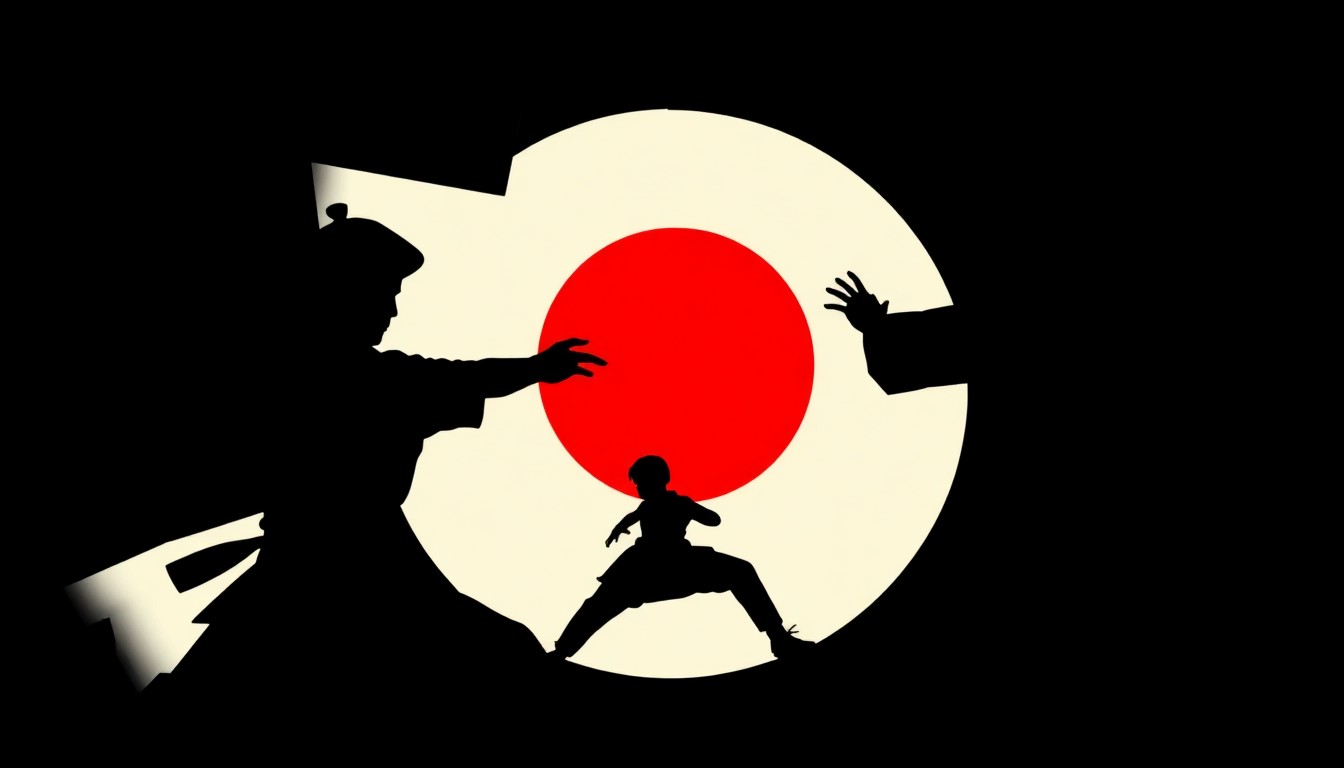 The enduring legacy of martial arts cinema transcends the punches and kicks, reflecting the genre's ability to inspire, challenge, and connect with audiences worldwide.Atlanta Today
A recent poll aimed to determine the greatest martial arts movie star, sparking a deeper conversation about the legacy, impact, and cultural significance of these iconic performers. While Bruce Lee is often the default answer, the article explores the contributions of other trailblazers like Jimmy Wang-Yu, as well as the evolution of the genre towards more accessible, everyman characters exemplified by Jackie Chan.
Why it matters
Martial arts cinema has long captivated global audiences, transcending language and culture. This discussion not only celebrates the artistry and influence of these stars, but also sheds light on the challenges of cultural translation in the film industry and the potential for new voices to emerge in the genre.
The details
The poll criteria focused on international footprint, which inherently favored stars who had the privilege of global distribution. This overlooked regional legends like Chow Yun-Fat, whose attempts to cross over into Hollywood were often met with mixed results, highlighting the industry's tendency to pigeonhole Asian actors. The article suggests the future of martial arts cinema lies in its ability to evolve, embracing new perspectives while staying true to its roots.
- The poll was conducted in 2026.
The players
Bruce Lee
Considered the undisputed pioneer of modern martial arts cinema, Lee was not just an actor but a cultural phenomenon who blended philosophy, physicality, and storytelling.
Jimmy Wang-Yu
A Shaw Brothers legend and trailblazer in his own right, Wang-Yu's work remained largely regional, overshadowed by Lee's rise and the globalization of cinema.
Jackie Chan
The clown prince of martial arts cinema, Chan redefined the genre by blending physical comedy with high-octane action, making it more accessible to global audiences.
Chow Yun-Fat
A titan in Asian cinema, Chow's attempts to cross over into Hollywood were often met with mixed results, reflecting the industry's tendency to pigeonhole Asian actors.
What they’re saying
“Bruce Lee wasn't just an actor; he was a cultural phenomenon. What makes this particularly fascinating is how Lee's influence extended far beyond his films. He wasn't just the first modern martial arts movie star—he was a philosopher, a symbol of Asian pride, and a bridge between East and West.”
— The Author
“Jackie Chan's impact goes beyond his comedic timing and death-defying stunts. He redefined what a martial arts movie could be, blending physical comedy with high-octane action in a way that felt fresh and universally appealing.”
— The Author
What’s next
The article suggests that the future of martial arts cinema lies in its ability to evolve, embracing new voices and perspectives while staying true to its roots. With the rise of streaming platforms and the increasing globalization of cinema, the opportunities for new stars to emerge are greater than ever.
The takeaway
The debate over who is the greatest martial arts movie star is not just about who can throw the best punch or execute the most impressive kick. It's about what these stars represent—their ability to inspire, to challenge norms, and to connect with audiences across cultures. The true greatness of martial arts cinema lies in its universality, its ability to speak to the human condition and our desire for strength, justice, and self-expression.
Atlanta top stories


Atlanta events

Apr. 13, 2026
Atlanta Braves vs. Miami Marlins
Apr. 13, 2026
Atlanta Braves v. Miami Marlins * Premium Seating *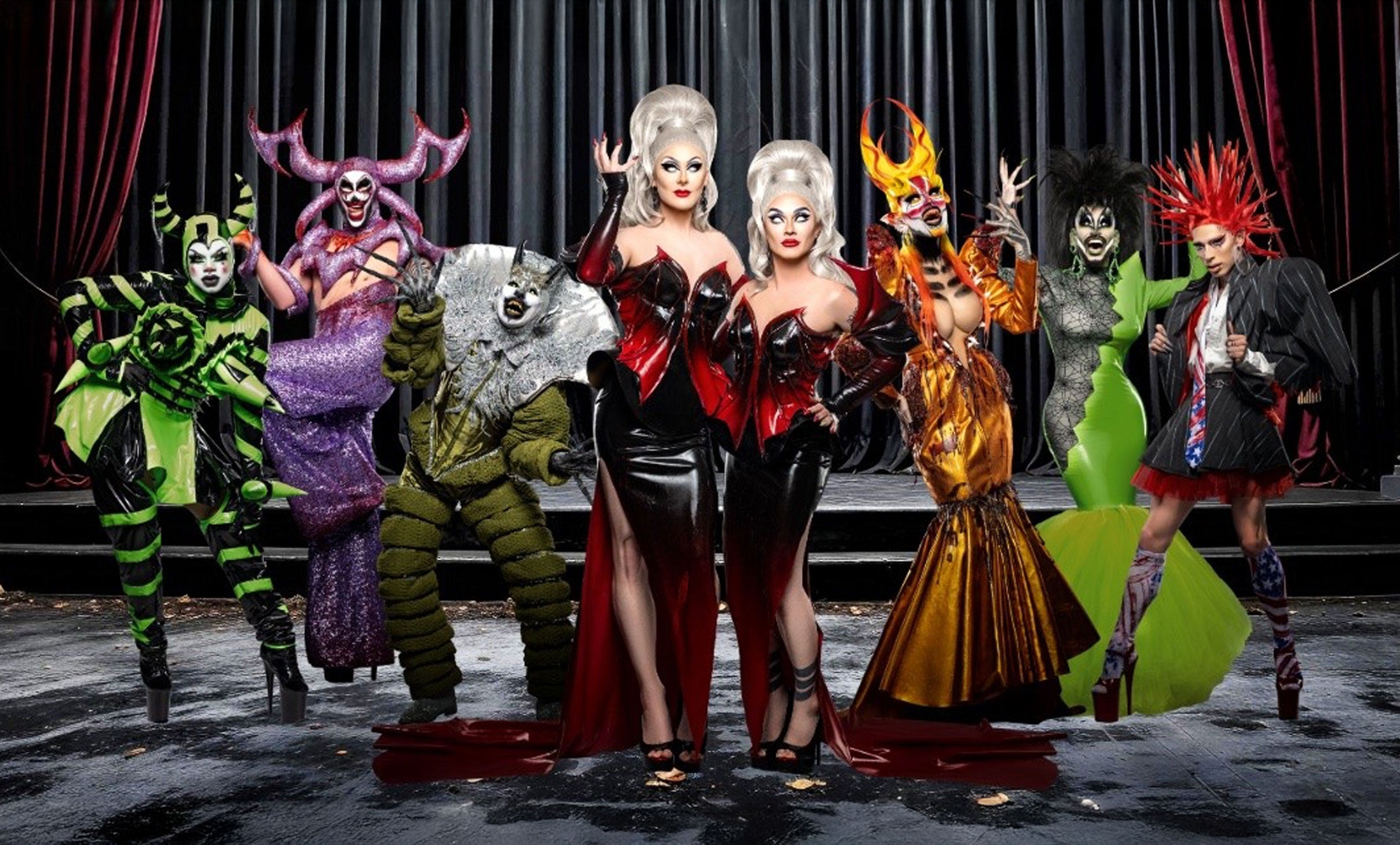
Apr. 13, 2026
The Boulet Brothers Dragula: Titans 2 Tour