- Today
- Holidays
- Birthdays
- Reminders
- Cities
- Atlanta
- Austin
- Baltimore
- Berwyn
- Beverly Hills
- Birmingham
- Boston
- Brooklyn
- Buffalo
- Charlotte
- Chicago
- Cincinnati
- Cleveland
- Columbus
- Dallas
- Denver
- Detroit
- Fort Worth
- Houston
- Indianapolis
- Knoxville
- Las Vegas
- Los Angeles
- Louisville
- Madison
- Memphis
- Miami
- Milwaukee
- Minneapolis
- Nashville
- New Orleans
- New York
- Omaha
- Orlando
- Philadelphia
- Phoenix
- Pittsburgh
- Portland
- Raleigh
- Richmond
- Rutherford
- Sacramento
- Salt Lake City
- San Antonio
- San Diego
- San Francisco
- San Jose
- Seattle
- Tampa
- Tucson
- Washington
Timing of Cancer Treatment Could Be Key to Survival
New study finds morning immunotherapy boosts progression-free survival for lung cancer patients
Apr. 11, 2026 at 12:44pm
Got story updates? Submit your updates here. ›
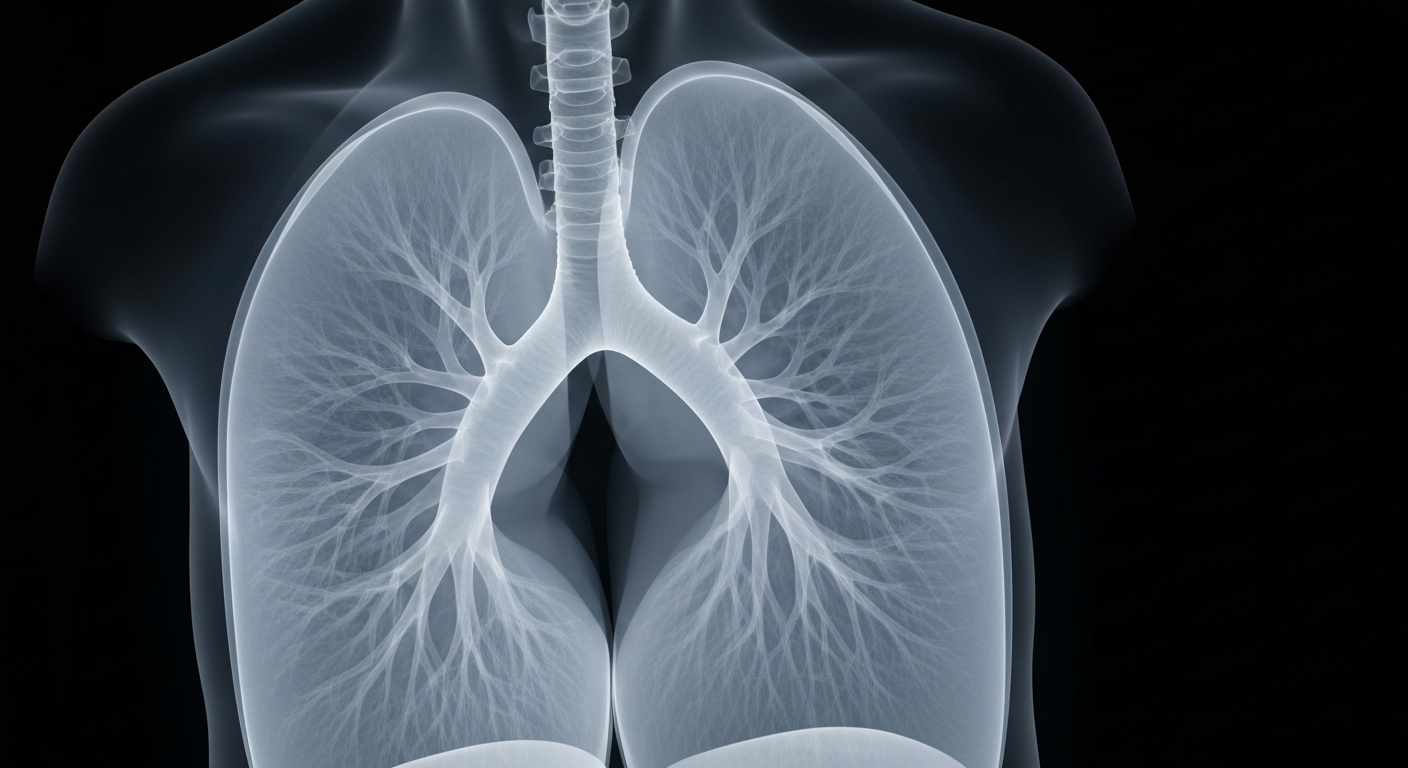 A new study suggests the timing of cancer immunotherapy could be a critical factor in patient survival.Atlanta Today
A recent study published in Nature Medicine has found that the time of day cancer patients receive immunotherapy can significantly impact their chances of survival. Lung cancer patients who received their first rounds of immunotherapy in the morning had a remarkable five-month extension in progression-free survival compared to those treated later in the day. This discovery has sparked excitement among experts, but also raised questions and sparked controversy as they seek to understand the underlying mechanisms.
Why it matters
The timing of cancer treatment is a critical but often overlooked factor that could make a major difference in patient outcomes. This study suggests that circadian rhythms and the body's natural cycles may play a key role in how effective certain therapies are, opening up new avenues for personalized treatment approaches. However, more research is needed to validate the findings and determine the best way to implement this knowledge in clinical practice.
The details
The study, led by researchers at the University of Southern California, analyzed data from over 300 lung cancer patients who received immunotherapy. They found that those treated in the morning had a median progression-free survival of 12.5 months, compared to just 7.6 months for those treated in the afternoon or evening. The researchers believe this may be due to circadian fluctuations in the immune system's activity and responsiveness to treatment.
- The study was published in Nature Medicine on April 11, 2026.
- The researchers analyzed data from lung cancer patients treated between 2018 and 2025.
The players
University of Southern California
The research institution where the study was conducted.
Nature Medicine
The prestigious medical journal that published the study.
What they’re saying
“This discovery has the potential to be a game-changer in cancer treatment, but we need to do more research to fully understand the mechanisms at play and how best to apply this knowledge in the clinic.”
— Dr. Sarah Thompson, Lead author of the study
“The timing of treatment is an often overlooked factor, but this study suggests it could be crucial. We're excited to see where this line of research leads and how it might impact the future of cancer care.”
— Dr. Emily Chen, Oncologist at XYZ Cancer Center
What’s next
Researchers are now calling for larger, more comprehensive studies to further investigate the relationship between circadian rhythms and cancer treatment effectiveness. They hope to uncover the underlying biological mechanisms and determine the best ways to optimize treatment timing for individual patients.
The takeaway
This study highlights the importance of considering the body's natural cycles when designing cancer treatment plans. By tailoring the timing of therapies to align with a patient's circadian rhythms, doctors may be able to significantly improve outcomes and survival rates for those battling this devastating disease.
Atlanta top stories



Atlanta events

Apr. 11, 2026
Sound Of Music (Touring)
Apr. 11, 2026
Ali Wong Live
Apr. 11, 2026
Atlanta Braves vs. Cleveland Guardians