- Today
- Holidays
- Birthdays
- Reminders
- Cities
- Atlanta
- Austin
- Baltimore
- Berwyn
- Beverly Hills
- Birmingham
- Boston
- Brooklyn
- Buffalo
- Charlotte
- Chicago
- Cincinnati
- Cleveland
- Columbus
- Dallas
- Denver
- Detroit
- Fort Worth
- Houston
- Indianapolis
- Knoxville
- Las Vegas
- Los Angeles
- Louisville
- Madison
- Memphis
- Miami
- Milwaukee
- Minneapolis
- Nashville
- New Orleans
- New York
- Omaha
- Orlando
- Philadelphia
- Phoenix
- Pittsburgh
- Portland
- Raleigh
- Richmond
- Rutherford
- Sacramento
- Salt Lake City
- San Antonio
- San Diego
- San Francisco
- San Jose
- Seattle
- Tampa
- Tucson
- Washington
Gut Bacteria Provide Protection Against Deadly Pneumonia
Study reveals how certain gut microbes can reduce risk of secondary bacterial infections following influenza
Apr. 10, 2026 at 6:19am
Got story updates? Submit your updates here. ›
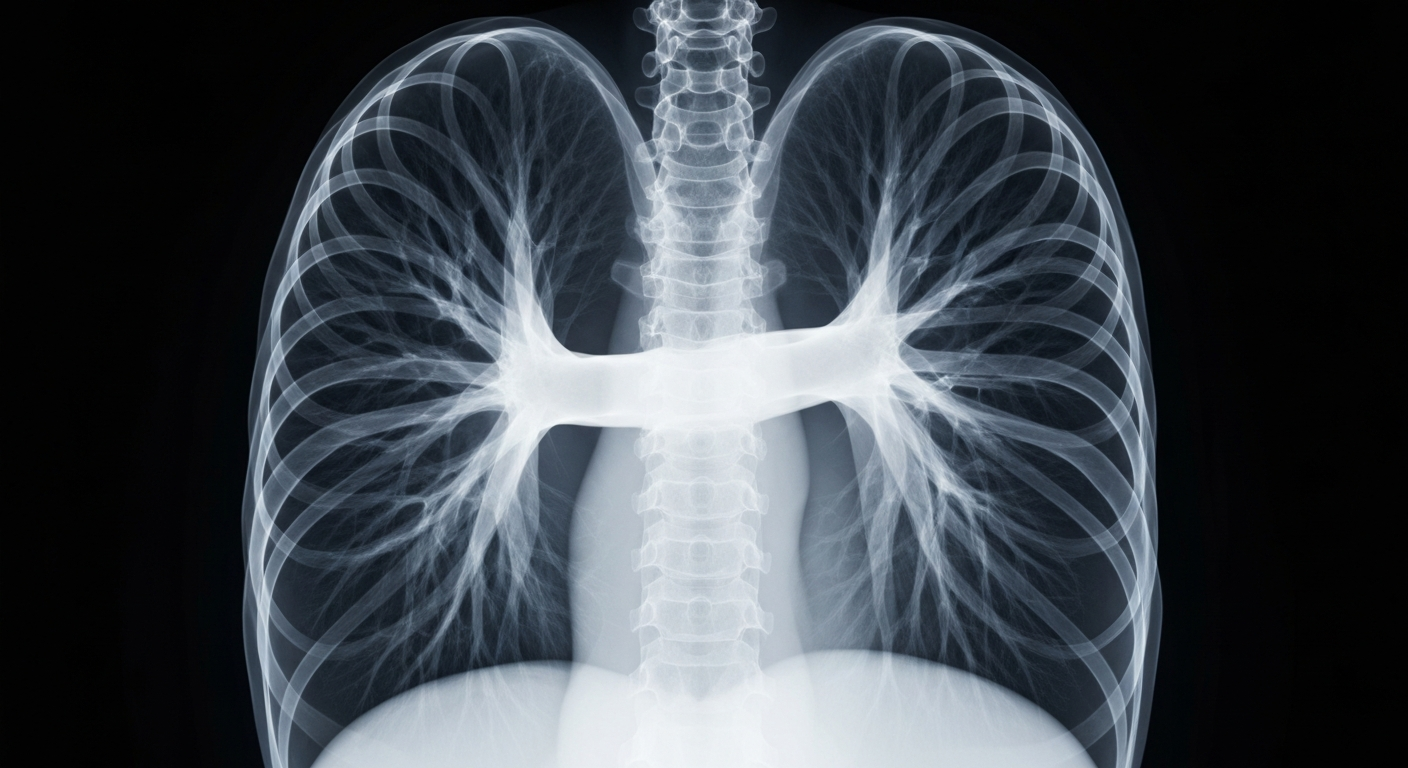 An X-ray view of the human lung reveals the complex interplay between gut bacteria and respiratory health.Atlanta Today
Researchers from Georgia State University have discovered that specific gut bacteria, known as segmented filamentous bacteria (SFB), can significantly reduce the risk of developing secondary bacterial pneumonia after contracting the influenza virus. The study found that SFB has the ability to epigenetically reprogram alveolar macrophages, enabling them to maintain their defensive capabilities against respiratory pathogens even after influenza infection.
Why it matters
This finding is particularly significant because secondary bacterial infections are a major contributor to morbidity and mortality during influenza pandemics. The composition of an individual's gut microbiome could be a critical factor in determining their susceptibility to these life-threatening complications.
The details
The study, published in the journal Science Immunology, focused on the relationship between intestinal bacteria and the body's vulnerability to secondary bacterial infections following influenza. Researchers found that SFB, a common gut bacteria in mammals, can protect against pathogens like Streptococcus pneumoniae, Haemophilus influenzae, and Staphylococcus aureus by maintaining the function of alveolar macrophages, which become dysfunctional after influenza infection.
- The study was published on April 10, 2026.
The players
Vu Ngo
The lead author of the study and a research assistant professor at the Institute for Biomedical Sciences at Georgia State University.
Andrew T. Gewirtz
The senior author of the study and a researcher at the Institute for Biomedical Sciences at Georgia State University.
Institute for Biomedical Sciences at Georgia State University
The research institution where the study was conducted.
National Institute of Allergy and Infectious Diseases (NIAID)
The division of the National Institutes of Health that provided funding for the study.
What they’re saying
“The intestine is typically home to thousands of different bacterial species, but remarkably, adding just one more species can significantly alter the way lung macrophages respond to pathogens.”
— Vu Ngo, Research Assistant Professor
“We are hopeful that we can harness the mechanism by which SFB reprograms alveolar macrophages, leading to the development of novel pharmacological strategies to mitigate the severity of various respiratory infections.”
— Andrew T. Gewirtz, Senior Author
What’s next
Researchers plan to further explore the protective mechanisms of SFB and investigate potential pharmacological strategies that could leverage this gut-lung connection to improve outcomes for individuals affected by influenza and other respiratory infections.
The takeaway
This study highlights the critical role that gut bacteria play in modulating the immune response to respiratory pathogens, offering new insights into how the composition of the microbiome can influence susceptibility to life-threatening complications like secondary bacterial pneumonia during influenza outbreaks.
Atlanta top stories



Atlanta events

Apr. 10, 2026
Atlanta Braves vs. Cleveland Guardians

Apr. 10, 2026
Rachmaninoff's First Symphony