- Today
- Holidays
- Birthdays
- Reminders
- Cities
- Atlanta
- Austin
- Baltimore
- Berwyn
- Beverly Hills
- Birmingham
- Boston
- Brooklyn
- Buffalo
- Charlotte
- Chicago
- Cincinnati
- Cleveland
- Columbus
- Dallas
- Denver
- Detroit
- Fort Worth
- Houston
- Indianapolis
- Knoxville
- Las Vegas
- Los Angeles
- Louisville
- Madison
- Memphis
- Miami
- Milwaukee
- Minneapolis
- Nashville
- New Orleans
- New York
- Omaha
- Orlando
- Philadelphia
- Phoenix
- Pittsburgh
- Portland
- Raleigh
- Richmond
- Rutherford
- Sacramento
- Salt Lake City
- San Antonio
- San Diego
- San Francisco
- San Jose
- Seattle
- Tampa
- Tucson
- Washington
AI to Bring 'Resurgence of Detail' to Hotel Design
EDSA's Pete Dunne says tech will bridge gap between speed and cost
Apr. 10, 2026 at 12:53pm
Got story updates? Submit your updates here. ›
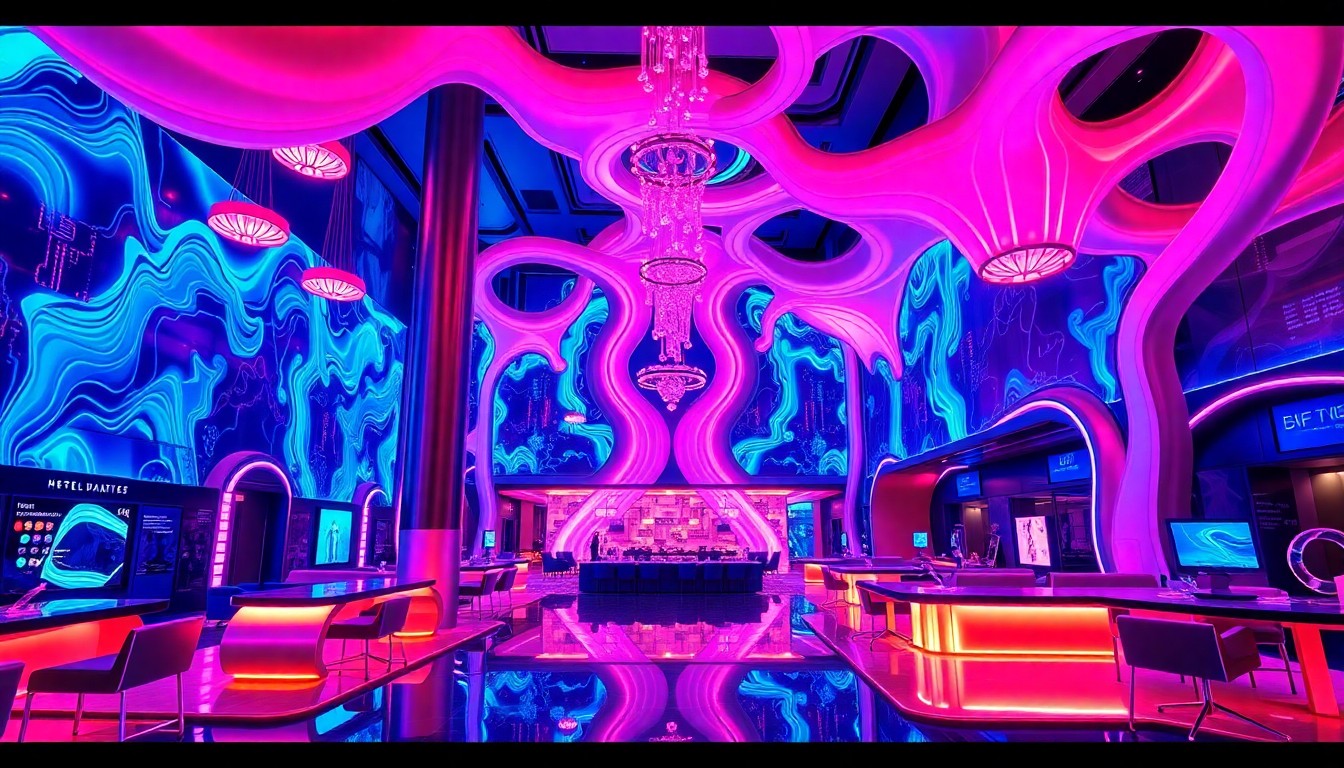 Innovative AI-powered design promises to infuse hotel interiors with a renewed sense of detail and character, while also prioritizing sustainability.Atlanta Today
Artificial intelligence is poised to play a significant role in the future of the hospitality industry, including the design and architecture process. Pete Dunne, vice president at planning, landscape architecture and urban design company EDSA, believes AI will enable a 'resurgence of detail' in architecture and design, bringing more character to spaces. Sustainability remains a major focus for developers, with the goals evolving from simply adding more greenery to incorporating minute details like precise hardscape plans and local materials to reduce carbon footprints.
Why it matters
As the hospitality industry continues to evolve, the integration of AI in the design process could lead to more creative and sustainable hotel projects that better meet the changing needs and expectations of guests. This shift could have broader implications for the architecture and design industry as a whole.
The details
Dunne explained that in the past, designers had to physically craft their architecture, leading to more abstract projects. The introduction of computers made the process faster and easier, but also introduced limitations to creativity, hence the popularity of linear lines in contemporary style. AI could bridge the gap between speed and cost, enabling a 'resurgence of detail' in architecture and design. Sustainability goals have also shifted, moving beyond simply adding greenery to focusing on minute details like precise hardscape plans and local materials to reduce carbon footprints.
- In the early 2010s, the goal for landscape architects was to add as much green as possible to a project.
- Over the past decade or so, being sustainable in architecture has become more focused on the minute details.
The players
Pete Dunne
Vice president at planning, landscape architecture and urban design company EDSA.
EDSA
A planning, landscape architecture and urban design company.
What they’re saying
“What you're going to start to see ... there's going to be this resurgence of detail in architecture and design, and bring a lot more character to places where there probably hasn't been.”
— Pete Dunne, Vice President
“The less exciting things are more effective at reducing a carbon footprint on a project. It's those non-marketing things that tend to move the needle a little bit more.”
— Pete Dunne, Vice President
The takeaway
The integration of AI in the hotel design process could lead to more creative and sustainable projects that better meet the evolving needs and expectations of guests, with a focus on incorporating minute details to reduce environmental impact.
Atlanta top stories



Atlanta events

Apr. 10, 2026
Atlanta Braves vs. Cleveland Guardians

Apr. 10, 2026
Rachmaninoff's First Symphony