- Today
- Holidays
- Birthdays
- Reminders
- Cities
- Atlanta
- Austin
- Baltimore
- Berwyn
- Beverly Hills
- Birmingham
- Boston
- Brooklyn
- Buffalo
- Charlotte
- Chicago
- Cincinnati
- Cleveland
- Columbus
- Dallas
- Denver
- Detroit
- Fort Worth
- Houston
- Indianapolis
- Knoxville
- Las Vegas
- Los Angeles
- Louisville
- Madison
- Memphis
- Miami
- Milwaukee
- Minneapolis
- Nashville
- New Orleans
- New York
- Omaha
- Orlando
- Philadelphia
- Phoenix
- Pittsburgh
- Portland
- Raleigh
- Richmond
- Rutherford
- Sacramento
- Salt Lake City
- San Antonio
- San Diego
- San Francisco
- San Jose
- Seattle
- Tampa
- Tucson
- Washington
Arts Engagement Prescribed as Mental Health Treatment
Therapists are exploring the benefits of encouraging clients to attend theater, art shows, and other cultural events as part of their care.
Apr. 6, 2026 at 6:38pm
Got story updates? Submit your updates here. ›
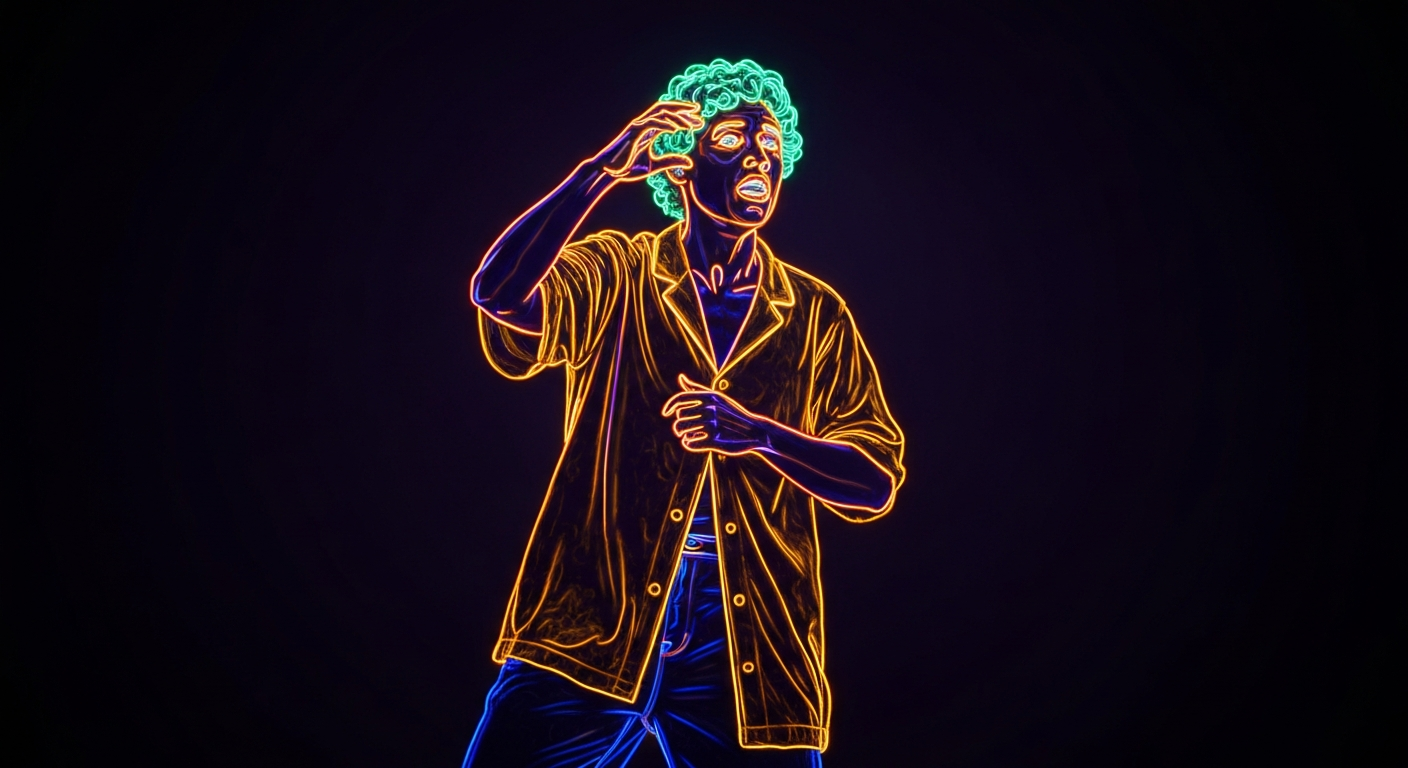 The arts can serve as a powerful tool for improving mental and physical health, as evidenced by new research and legislative efforts to integrate artistic engagement into healthcare.Atlanta Today
Recent research has shown that engaging with the arts and theater may help prevent diabetes and improve psychological well-being. Therapists are now exploring prescribing arts-based activities, known as 'arts on prescription,' as part of mental health treatment. This approach is being applied on university campuses and supported by new state legislation in Georgia.
Why it matters
Behavioral activation and acceptance and commitment therapy (ACT) principles support the use of arts engagement as a therapeutic intervention. Social prescribing, which encourages community involvement to reduce loneliness, is also driving the growth of 'arts on prescription' programs. This approach aims to improve both social and psychological well-being through meaningful creative activities.
The details
Arts on prescription is a form of social prescribing where healthcare providers encourage people to engage in artistic activities like dance, music, theater, visual arts, poetry, and visiting museums or botanical gardens. These activities are not intended to be art therapy or skill development, but rather focus on the process of engaging with the arts, community building, and meaningful activity. Recent research has found that arts on prescription can improve social and psychological well-being, though more study is needed on optimal duration and overcoming barriers to participation.
- In March 2026, Georgia became the first state to pass legislation (HR 1007) officially naming the arts as an important resource for mental health.
- The English Longitudinal Study of Ageing found that individuals who developed diabetes were less likely to engage in cultural activities like museum, theater, and cinema attendance compared to healthy comparisons.
The players
Vivek Murthy
Former U.S. Surgeon General who named social isolation as an epidemic and highlighted the power of community in his book 'Together: The Healing Power of Connection in a Sometimes Lonely World'.
University of Michigan
Has an ArtsRX program that connects the university community with local art activities to enhance well-being.
Art Pharmacy
An Atlanta-based company that partners with university leaders and student counseling departments to match participating students with 'navigators' (licensed social workers) who facilitate connections with local arts and activities.
What they’re saying
“Former U.S. Surgeon General Vivek Murthy named social isolation as an epidemic and shed light on the immense power of and need for community.”
— Vivek Murthy, Former U.S. Surgeon General
What’s next
More research is needed to further elucidate the necessary duration of arts engagement activities and ways to overcome barriers to participation. Therapists are encouraged to explore partnerships with local arts organizations to provide discounted tickets and volunteer opportunities for their clients.
The takeaway
Engaging with the arts and cultural activities may offer significant mental and physical health benefits, including the potential to prevent conditions like diabetes. As therapists explore 'arts on prescription' as part of their treatment approaches, this holistic approach could expand access to mental health support and foster stronger community connections.