- Today
- Holidays
- Birthdays
- Reminders
- Cities
- Atlanta
- Austin
- Baltimore
- Berwyn
- Beverly Hills
- Birmingham
- Boston
- Brooklyn
- Buffalo
- Charlotte
- Chicago
- Cincinnati
- Cleveland
- Columbus
- Dallas
- Denver
- Detroit
- Fort Worth
- Houston
- Indianapolis
- Knoxville
- Las Vegas
- Los Angeles
- Louisville
- Madison
- Memphis
- Miami
- Milwaukee
- Minneapolis
- Nashville
- New Orleans
- New York
- Omaha
- Orlando
- Philadelphia
- Phoenix
- Pittsburgh
- Portland
- Raleigh
- Richmond
- Rutherford
- Sacramento
- Salt Lake City
- San Antonio
- San Diego
- San Francisco
- San Jose
- Seattle
- Tampa
- Tucson
- Washington
Uber and Lucid unveil robotaxi to challenge Waymo in San Francisco
The six-seater electric vehicle is equipped with advanced sensors and software to compete with Waymo's driverless cars in the Bay Area.
Apr. 3, 2026 at 4:40am
Got story updates? Submit your updates here. ›
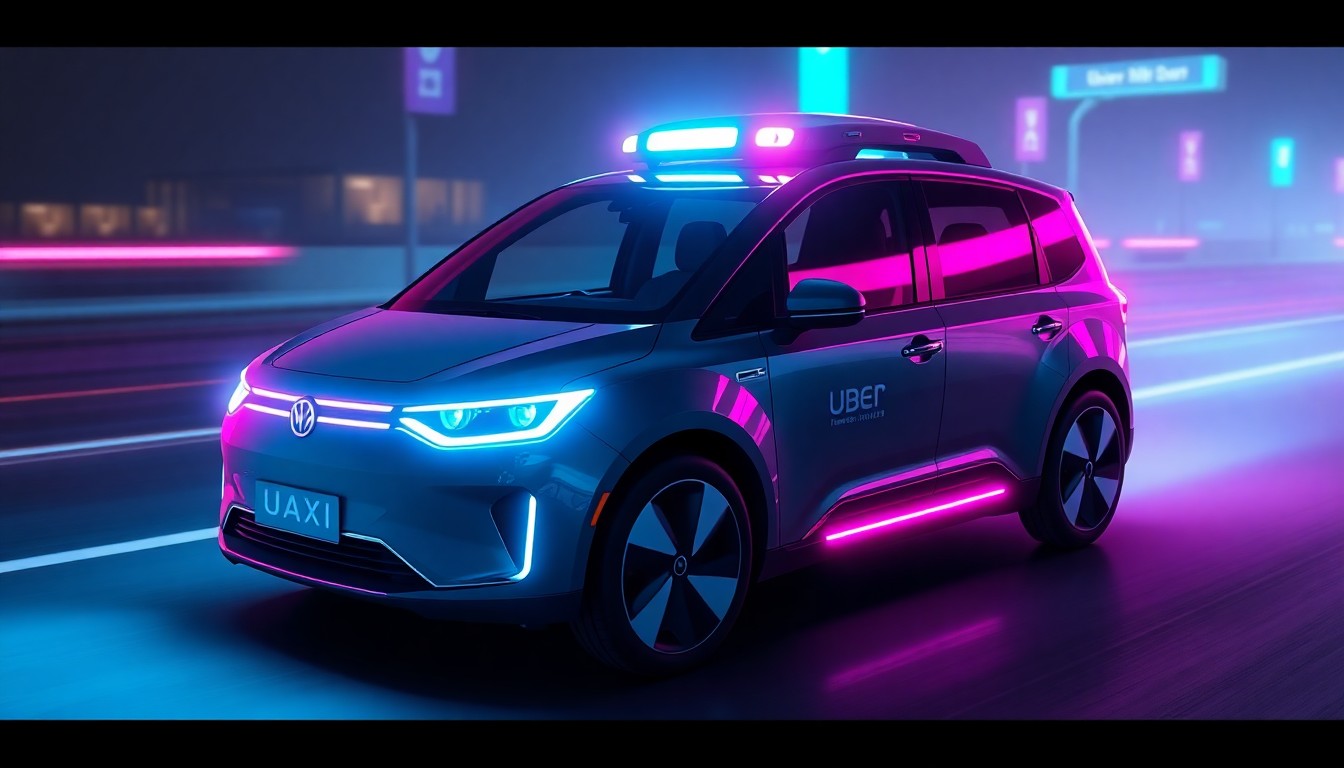 Uber's new robotaxi prototype, equipped with advanced sensors and software, represents the first major challenge to Waymo's dominance in San Francisco's autonomous driving market.Atlanta Today
Uber and luxury electric vehicle manufacturer Lucid have unveiled a new robotaxi prototype intended to challenge Waymo's dominance in the San Francisco driverless car market. The six-seater all-electric vehicle is a modified version of Lucid's 'Gravity' SUV, equipped with a suite of sensors and Nuro's autonomous driving software powered by Nvidia chips. Uber and Nvidia plan to deploy 100,000 of these robotaxis across the U.S. starting in 2027, with testing already underway in the Bay Area.
Why it matters
Waymo currently enjoys a virtual monopoly on robotaxi services in San Francisco, but the entry of Uber and Lucid's new vehicle represents the first major head-to-head competition in the city's autonomous driving market. This could lead to expanded consumer choice, lower prices, and further advancements in driverless technology as the companies vie for market share.
The details
The new Uber robotaxi is larger than Waymo's four-seater Jaguar model, with room for six passengers. It features a range of sensors including cameras, radars, lidar, and ultrasound, all controlled by Nuro's autonomous driving software and Nvidia's computing chips. Uber and Nvidia plan to deploy 100,000 of these vehicles across the U.S. starting in 2027, with testing already underway in the San Francisco Bay Area since December 2025. The interior is designed to be user-friendly, with screens allowing passengers to view the vehicle's sensor data and control various cabin functions.
- Uber and Lucid unveiled the robotaxi prototype on April 3, 2026 in Las Vegas.
- Uber and Nvidia began autonomous driving tests of the vehicle in the San Francisco Bay Area in December 2025.
- Uber plans to commercially launch the robotaxi service in San Francisco 'later in 2026', pending regulatory approval.
The players
Uber
A ride-hailing and transportation technology company that is developing autonomous vehicle technology to compete with industry leaders like Waymo.
Lucid
A luxury electric vehicle manufacturer that partnered with Uber to develop the new robotaxi prototype.
Waymo
A subsidiary of Alphabet and the current leader in driverless car technology, operating a fleet of around 2,000 autonomous vehicles in five U.S. cities.
Nuro
A start-up that provided the autonomous driving software for the Uber robotaxi.
Nvidia
A technology company that supplied the computing chips powering the autonomous driving system in the Uber robotaxi.
What they’re saying
“We're excited to bring our robotaxi technology to San Francisco and challenge Waymo's dominance in the market.”
— Dara Khosrowshahi, CEO, Uber
What’s next
Uber and Nvidia plan to deploy 100,000 of the new robotaxis across the U.S. starting in 2027, with the San Francisco service launching 'later in 2026' pending regulatory approval.
The takeaway
The introduction of Uber and Lucid's new robotaxi represents the first major competitive threat to Waymo's dominance in San Francisco's autonomous driving market, potentially leading to expanded consumer choice, lower prices, and further advancements in driverless technology.