- Today
- Holidays
- Birthdays
- Reminders
- Cities
- Atlanta
- Austin
- Baltimore
- Berwyn
- Beverly Hills
- Birmingham
- Boston
- Brooklyn
- Buffalo
- Charlotte
- Chicago
- Cincinnati
- Cleveland
- Columbus
- Dallas
- Denver
- Detroit
- Fort Worth
- Houston
- Indianapolis
- Knoxville
- Las Vegas
- Los Angeles
- Louisville
- Madison
- Memphis
- Miami
- Milwaukee
- Minneapolis
- Nashville
- New Orleans
- New York
- Omaha
- Orlando
- Philadelphia
- Phoenix
- Pittsburgh
- Portland
- Raleigh
- Richmond
- Rutherford
- Sacramento
- Salt Lake City
- San Antonio
- San Diego
- San Francisco
- San Jose
- Seattle
- Tampa
- Tucson
- Washington
Georgia Bill Aims to Restrict Access to Police Records
Supporters say the bill targets 'mugshot mill' websites, but critics warn it could limit public oversight of law enforcement.
Mar. 9, 2026 at 9:54pm
Got story updates? Submit your updates here. ›
A proposal moving through the Georgia legislature would add new steps to obtain booking photos and police videos, raising concerns among First Amendment advocates and news organizations about public access to law enforcement records. Supporters say the bill is aimed at so-called 'mugshot mill' websites that publish arrest photos and then charge people to remove them, but critics argue the requirements would shut down access to information needed to scrutinize police conduct.
Why it matters
This bill highlights the ongoing tension between privacy concerns and government transparency, as lawmakers try to balance curbing the exploitation of mugshot websites while preserving the public's ability to access law enforcement records. The outcome could have significant implications for media oversight and community trust in the criminal justice system.
The details
Senate Bill 482 would require anyone seeking a booking photo or law enforcement video to submit a written request, provide identification, and pay a fee. Supporters argue this would prevent 'mugshot mills' from profiting off people's misery, but critics say it amounts to a significant new barrier that would limit access for journalists and ordinary citizens.
- The Georgia Senate passed SB 482 without a no vote.
- The bill now heads to the Georgia House, where lawmakers could take it up in the coming days.
The players
Sen. Brian Strickland
A Republican sponsoring the bill, who says it is aimed at 'mugshot mill' websites that publish arrest photos and then charge people to remove them.
Sarah Brewerton-Palmer
An attorney and board member with the Georgia First Amendment Foundation, who argues the bill's requirements would shut down access to information and lead to less oversight of law enforcement.
Ashley Henson
The Paulding County Sheriff, who testified in favor of the bill, arguing that the 'monetization of someone else's misery is not right' and that action needs to be taken.
Ron Freeman
The Forsyth County Sheriff, who said some families are pressured to pay large sums after mugshots appear online.
What they’re saying
“We have people where cases have been dismissed, or they were found not guilty, yet their mugshot lives everywhere. It follows them forever.”
— Sen. Brian Strickland
“Putting up barriers that shut down access to this information will obviously lead to less oversight, and I think that will make people less safe.”
— Sarah Brewerton-Palmer, Attorney and board member, Georgia First Amendment Foundation
“Monetization of someone else's misery is not right. It's 100% not right, and we've got to do something about this.”
— Ashley Henson, Paulding County Sheriff
“Families are scared, so what do they do? They do something they normally wouldn't. They pay a scammer $1,000.”
— Ron Freeman, Forsyth County Sheriff
What’s next
The bill now heads to the Georgia House, where lawmakers could take it up in committee in the coming days. Media and open-government groups say they plan to continue pushing for changes before the measure reaches Gov. Brian Kemp's desk.
The takeaway
This bill highlights the ongoing debate over balancing privacy concerns and government transparency. While supporters aim to curb the exploitation of mugshot websites, critics warn the proposed restrictions could limit public oversight of law enforcement and undermine trust in the criminal justice system.
Atlanta top stories

Atlanta events

Mar. 30, 2026
Atlanta Hawks v. Boston Celtics
Mar. 30, 2026
Tours: Truist Park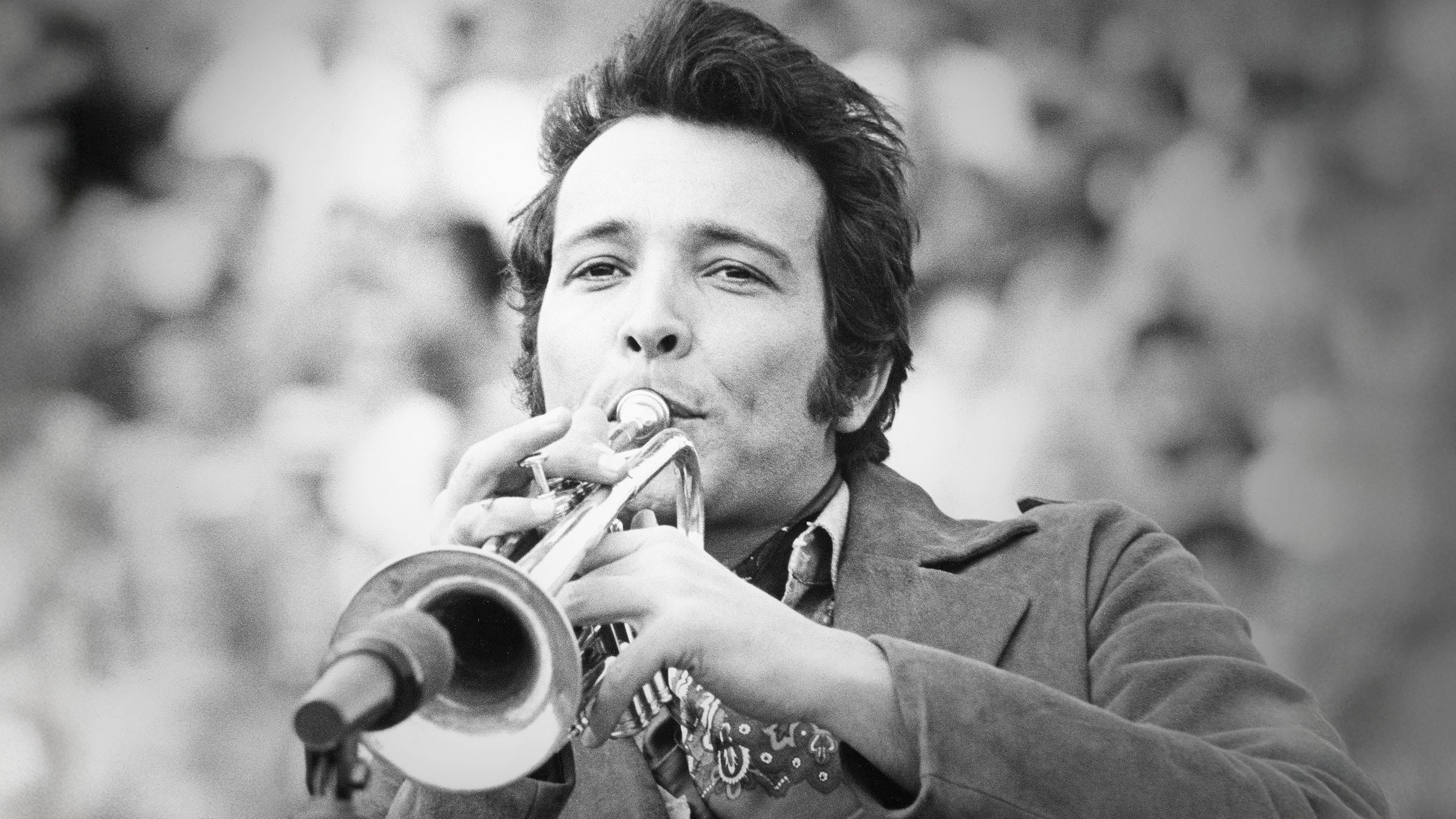
Mar. 30, 2026
Herb Alpert & The Tijuana Brass