- Today
- Holidays
- Birthdays
- Reminders
- Cities
- Atlanta
- Austin
- Baltimore
- Berwyn
- Beverly Hills
- Birmingham
- Boston
- Brooklyn
- Buffalo
- Charlotte
- Chicago
- Cincinnati
- Cleveland
- Columbus
- Dallas
- Denver
- Detroit
- Fort Worth
- Houston
- Indianapolis
- Knoxville
- Las Vegas
- Los Angeles
- Louisville
- Madison
- Memphis
- Miami
- Milwaukee
- Minneapolis
- Nashville
- New Orleans
- New York
- Omaha
- Orlando
- Philadelphia
- Phoenix
- Pittsburgh
- Portland
- Raleigh
- Richmond
- Rutherford
- Sacramento
- Salt Lake City
- San Antonio
- San Diego
- San Francisco
- San Jose
- Seattle
- Tampa
- Tucson
- Washington
Olympic Organizers Call for Truce to Halt Global Conflicts
U.N. and Milan Cortina Olympics seek 7-week pause in all wars worldwide during Winter Games
Jan. 30, 2026 at 4:55pm
Got story updates? Submit your updates here. ›
The upcoming Milan Cortina Winter Olympics have prompted a call from the United Nations and Olympic organizers for a 7-week truce to halt all global conflicts during the Games. This ancient tradition of the Olympic Truce dates back to ancient Greece, when warring city-states would pause hostilities to allow athletes and spectators to travel safely to the competitions. However, the truce has had a dismal record of success, with fighting continuing in Ukraine and other regions despite the calls for a ceasefire.
Why it matters
The Olympic Truce is seen as a symbolic gesture to promote peace and international cooperation, especially in an era of heightened global tensions and a proliferation of armed conflicts worldwide. While the truce has had limited practical impact, it serves as a moral baseline and a reminder of the unifying power of sport to bring people together across divides.
The details
The proposed Olympic Truce would start one week before the Winter Games open on Feb. 6 and run until one week after the March 15 Paralympics' close. It is backed by a U.N. General Assembly resolution, though past truces have been repeatedly violated. The first modern Olympic Truce, during the 1994 Lillehammer Games, did produce a one-day pause in the Siege of Sarajevo to allow aid convoys to deliver supplies. In 2000, North and South Korea marched together at the Sydney Olympics opening ceremony.
- The Milan Cortina Winter Olympics begin in one week, on February 6, 2026.
- The proposed Olympic Truce would start one week before the Winter Games open and run until one week after the March 15 Paralympics' close.
The players
United Nations
The international organization that is backing the call for an Olympic Truce to halt global conflicts during the Winter Games.
Milan Cortina 2026 Winter Olympics
The host of the upcoming Winter Olympics, where organizers are invoking the ancient tradition of the Olympic Truce.
Constantinos Filis
Director of the International Olympic Truce Center and the Institute of Global Affairs in Athens, who argues that ceasefire initiatives still hold value in an era of global disorder.
Shawn Davies
A senior analyst at Uppsala University's Department of Peace and Conflict Research, who has tracked a rise in the number of active armed conflicts globally in recent years.
António Guterres
The United Nations Secretary-General, who has stated that the Olympics are an excellent moment to symbolize peace, respect for international law, and international cooperation.
What they’re saying
“Wherever possible, we should strive toward creating even a small space for peace.”
— Constantinos Filis, Director of the International Olympic Truce Center and the Institute of Global Affairs in Athens
“We've seen quite a strong increase in the number of conflicts over the past five or six years.”
— Shawn Davies, Senior Analyst, Uppsala University Department of Peace and Conflict Research
“Even in these dark times of division, it is possible to celebrate our shared humanity and inspire hope for a better future.”
— Kirsty Coventry, First Woman to Lead the International Olympic Committee
What’s next
The U.N. General Assembly will vote again on the Olympic Truce resolution in the coming weeks, though past truces have been repeatedly violated by warring parties.
The takeaway
The Olympic Truce serves as a symbolic gesture to promote peace and international cooperation, even as the world faces a proliferation of armed conflicts. While the truce has had limited practical impact, it remains an important moral statement and a reminder of sport's unifying power in an era of global disorder.
Athens top stories



Athens events

Apr. 15, 2026
West 22nd (Under 18 with parent or legal guardian)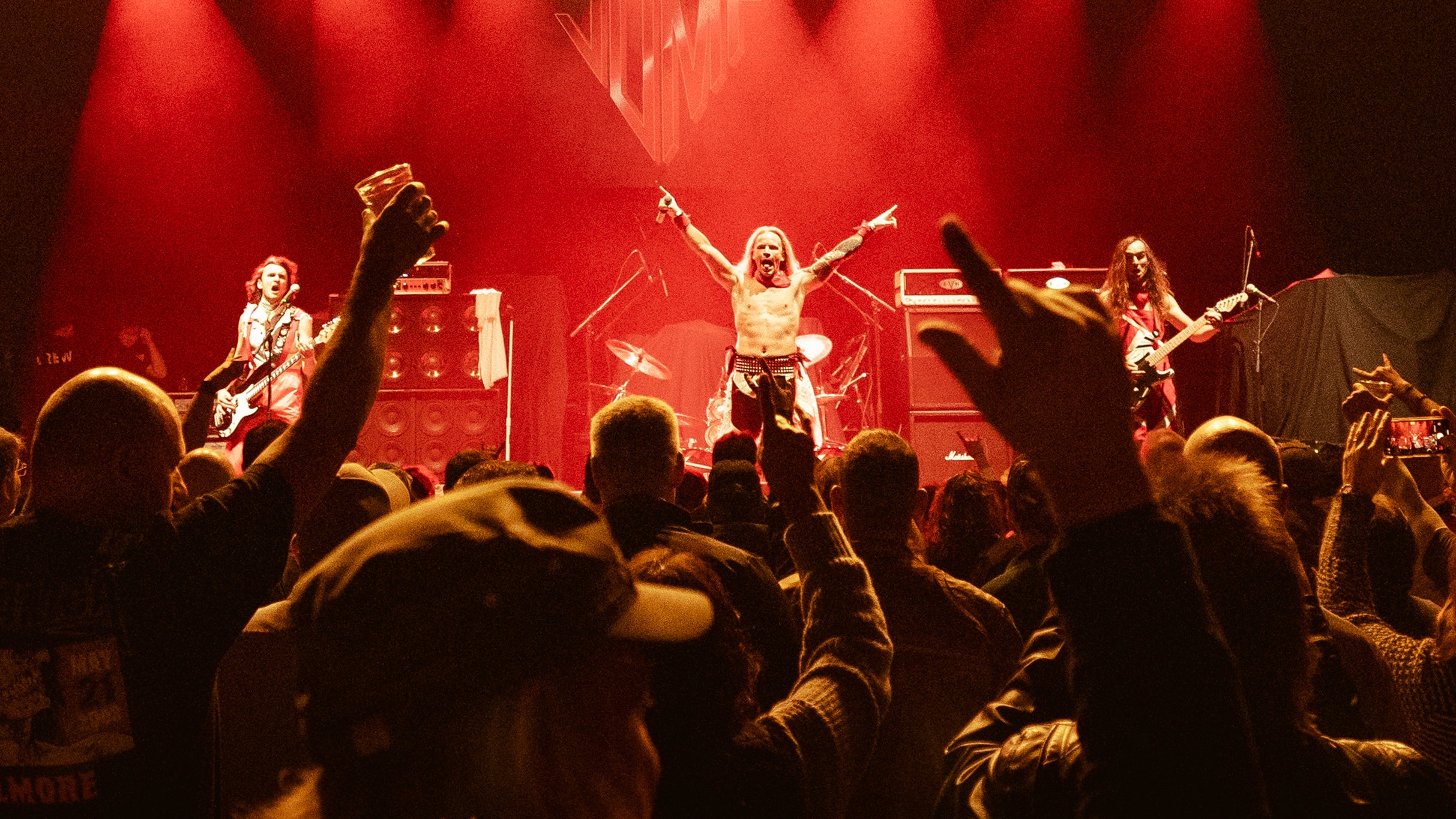
Apr. 15, 2026
Jump - Van Halen Experience (18 and Over)