- Today
- Holidays
- Birthdays
- Reminders
- Cities
- Atlanta
- Austin
- Baltimore
- Berwyn
- Beverly Hills
- Birmingham
- Boston
- Brooklyn
- Buffalo
- Charlotte
- Chicago
- Cincinnati
- Cleveland
- Columbus
- Dallas
- Denver
- Detroit
- Fort Worth
- Houston
- Indianapolis
- Knoxville
- Las Vegas
- Los Angeles
- Louisville
- Madison
- Memphis
- Miami
- Milwaukee
- Minneapolis
- Nashville
- New Orleans
- New York
- Omaha
- Orlando
- Philadelphia
- Phoenix
- Pittsburgh
- Portland
- Raleigh
- Richmond
- Rutherford
- Sacramento
- Salt Lake City
- San Antonio
- San Diego
- San Francisco
- San Jose
- Seattle
- Tampa
- Tucson
- Washington
Trump's White House Ballroom Wins Final Approval Despite Judge's Order
The National Capital Planning Commission voted 8-1 to allow the $400 million project to move forward.
Apr. 3, 2026 at 2:50am
Got story updates? Submit your updates here. ›
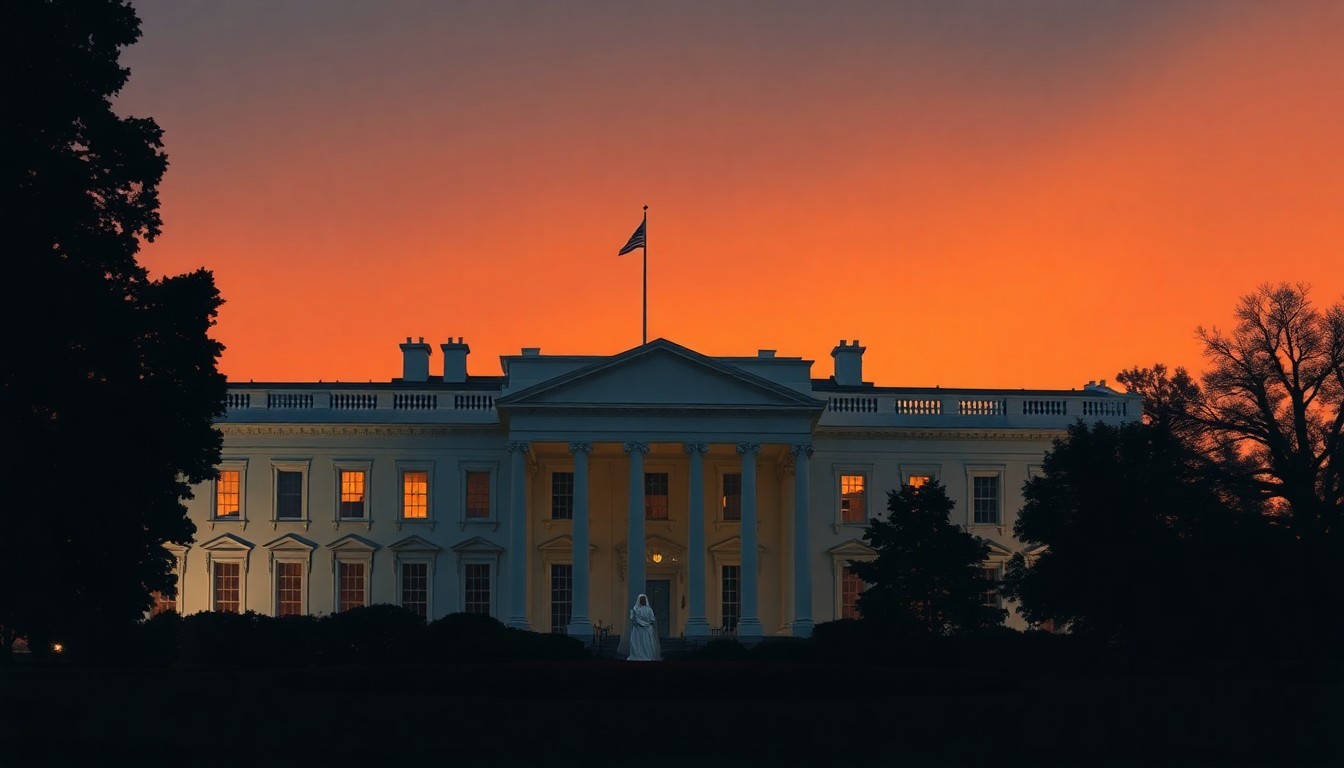 The proposed White House ballroom addition has sparked a heated debate over the preservation of the historic building and the president's legacy.West Palm Beach Today
Despite a federal judge recently ordering a halt to construction, President Donald Trump's White House ballroom project has won final approval from the National Capital Planning Commission. The 12-member commission, which includes three Trump appointees, voted 8-1 to allow the $400 million, 90,000-square-foot addition to proceed, with the chair arguing it will become a 'national treasure' like other White House renovations.
Why it matters
The ballroom project has drawn significant opposition from the public, government officials, and historic preservation groups who argue it is an unnecessary and inappropriate expansion of the White House. The judge's order and ongoing legal fight could still stall the project, which Trump is racing to complete before the end of his term in 2029 as part of his efforts to leave a lasting imprint on Washington, D.C.
The details
The commission's chair, Will Scharf, a top White House aide, argued the ballroom will similarly come to be viewed as a wise addition, despite contemporary opposition. He said the project has been unfairly criticized due to opposition to Trump. The lone 'no' vote was cast by Phil Mendelson, a Democrat who chairs the D.C. Council, who criticized the design and approval process. The commission also considered design changes Trump announced, including removing a large staircase and adding an uncovered porch.
- On March 29, 2026, Trump held a rendering of the proposed new East Wing of the White House while speaking to reporters aboard Air Force One.
- On April 1, 2026, work continued on the construction of the ballroom at the White House.
- On April 2, 2026, a federal judge ordered a halt to construction on the ballroom.
- On April 3, 2026, the National Capital Planning Commission voted 8-1 to approve the ballroom project.
The players
Donald Trump
The President of the United States who is pushing for the construction of a $400 million, 90,000-square-foot ballroom addition to the White House.
Will Scharf
The Trump-appointed chair of the National Capital Planning Commission who delivered an impassioned defense of the ballroom project.
Phil Mendelson
A Democrat who chairs the Council of the District of Columbia and cast the lone 'no' vote against the ballroom project.
Richard Leon
The federal judge who recently ordered a halt to construction on the ballroom project.
National Trust for Historic Preservation
A private nonprofit organization that sued after Trump demolished the East Wing to build the ballroom addition.
What they’re saying
“I believe that in time this ballroom will be considered every bit as much of a national treasure as the other key components of the White House.”
— Will Scharf, Chair, National Capital Planning Commission
“It's just too large.”
— Phil Mendelson, Chair, Council of the District of Columbia
“This approval is illegitimate and this vote is a joke.”
— Jon Golinger, Attorney, Public Citizen
What’s next
The judge's order halting construction is currently stayed for two weeks as the administration seeks an appeal. The legal fight over the ballroom project could still stall its progress, despite the commission's approval.
The takeaway
The White House ballroom project has become a lightning rod of controversy, with critics arguing it is an unnecessary and inappropriate expansion of the historic building. While the commission has approved the project, the ongoing legal battle and public opposition suggest the ballroom's future remains uncertain.
West Palm Beach top stories


West Palm Beach events

Apr. 4, 2026
Miami City Ballet Presents Carmen

Apr. 5, 2026
Miami City Ballet Presents Carmen