- Today
- Holidays
- Birthdays
- Reminders
- Cities
- Atlanta
- Austin
- Baltimore
- Berwyn
- Beverly Hills
- Birmingham
- Boston
- Brooklyn
- Buffalo
- Charlotte
- Chicago
- Cincinnati
- Cleveland
- Columbus
- Dallas
- Denver
- Detroit
- Fort Worth
- Houston
- Indianapolis
- Knoxville
- Las Vegas
- Los Angeles
- Louisville
- Madison
- Memphis
- Miami
- Milwaukee
- Minneapolis
- Nashville
- New Orleans
- New York
- Omaha
- Orlando
- Philadelphia
- Phoenix
- Pittsburgh
- Portland
- Raleigh
- Richmond
- Rutherford
- Sacramento
- Salt Lake City
- San Antonio
- San Diego
- San Francisco
- San Jose
- Seattle
- Tampa
- Tucson
- Washington
Experts Analyze Potential Outcomes After Ayatollah Khamenei's Death
Karim Sadjadpour and Ret. Gen. Frank McKenzie discuss the chaotic situation in Iran and what the U.S. should prepare for.
Mar. 2, 2026 at 10:39pm
Got story updates? Submit your updates here. ›
In an interview on "Face the Nation", Iran policy analyst Karim Sadjadpour and former CENTCOM commander Ret. Gen. Frank McKenzie discussed the uncertain future of Iran following the death of Ayatollah Khamenei. Sadjadpour expressed skepticism that a single figure could immediately fill the void left by Khamenei, given the deep divide between the Iranian government and its people. McKenzie warned that the U.S. should expect more casualties as it continues strikes to reduce Iran's ability to launch missile attacks. Both experts analyzed the potential paths forward, including the possibility of a new regime or a successor state that the U.S. could negotiate with.
Why it matters
The death of Ayatollah Khamenei, the long-ruling dictator of Iran, has created a power vacuum in the country that could lead to further instability and conflict in the region. The U.S. and its allies are closely monitoring the situation to assess the potential threats and opportunities that may arise from this transition of power in Iran.
The details
In the interview, Sadjadpour described Iran as "one of the most unpopular regimes in the world" with a significant gap between the government and the people. He expressed skepticism that a single figure could immediately fill the void left by Khamenei's death, given the competing interests of the senior clergy, the Revolutionary Guards, and the Iranian population. Meanwhile, Gen. McKenzie warned that the U.S. should expect more casualties as it continues strikes to reduce Iran's ability to launch missile attacks on U.S. bases and allies in the region. He said the key focus over the next 72-96 hours will be on degrading Iran's capacity to fire large volleys of rockets.
- The interview aired on March 1, 2026.
The players
Karim Sadjadpour
An Iran policy analyst with the Carnegie Endowment for International Peace.
Gen. Frank McKenzie (Ret.)
A former commander of the U.S. Central Command (CENTCOM) and a CBS News contributor.
Margaret Brennan
The host of "Face the Nation" on CBS News.
President Trump
The former U.S. president who has indicated a willingness to talk to Iran's new leadership.
Ayatollah Khamenei
The long-ruling dictator of Iran who recently passed away.
What they’re saying
“I don't think that's even clear inside Tehran, who is the new leadership? You know, this is one of the most unpopular regimes in the world, and I'm skeptical that there's going to be anyone who is palatable for both the senior clergy, the Revolutionary Guards, and 90 million Iranians.”
— Karim Sadjadpour, Iran policy analyst
“The American people should be prepared for several more days of exchanges of long-range- long-range rockets. We're going to continue to strike them with our aircraft, with our TLAMs, our Tomahawk Land Attack Missiles, and the essential calculus over the next 72 to 96 hours, Margaret, is going to be whether or not we can reduce the Iranian ability to generate volleys.”
— Gen. Frank McKenzie, Retired CENTCOM commander
What’s next
The judge in the case will decide on Tuesday whether or not to allow Walker Reed Quinn out on bail.
The takeaway
This case highlights growing concerns in the community about repeat offenders released on bail, raising questions about bail reform, public safety on SF streets, and if any special laws to govern autonomous vehicles in residential and commercial areas.
Tampa top stories


Tampa events
Mar. 30, 2026
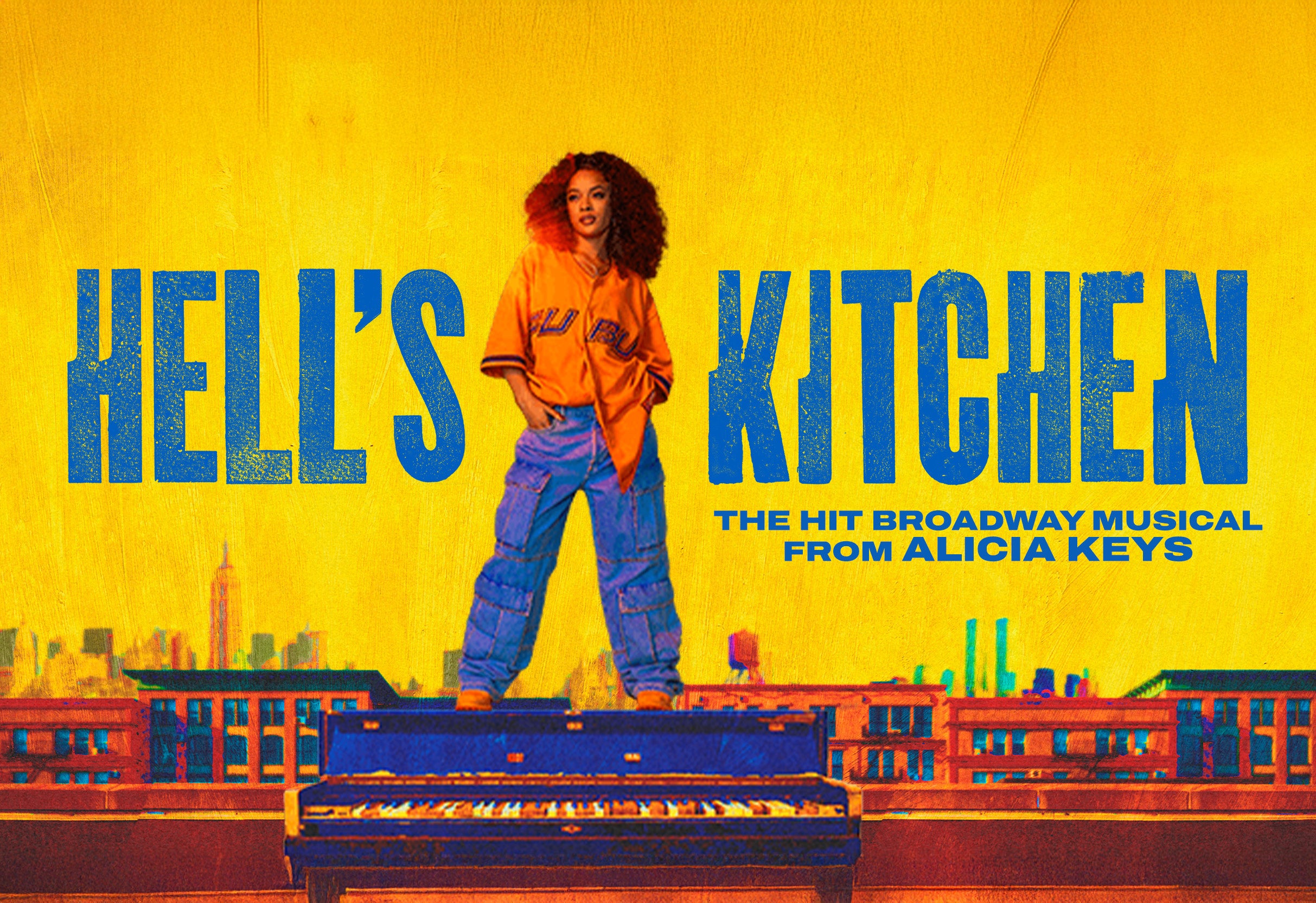
Hell's Kitchen (Touring)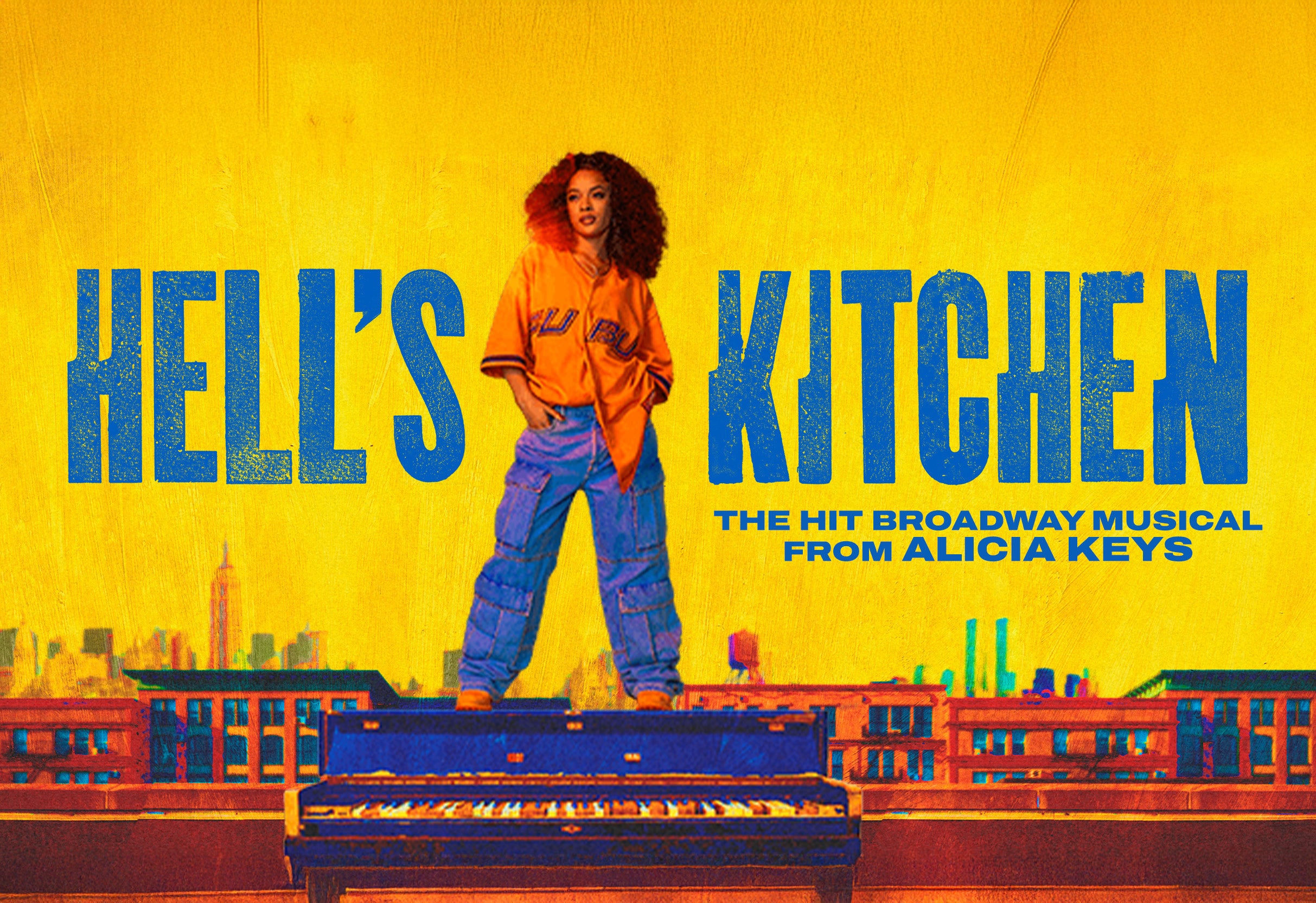
Mar. 31, 2026
Hell's Kitchen (Touring)
Apr. 1, 2026
USF Percussion Ensemble