- Today
- Holidays
- Birthdays
- Reminders
- Cities
- Atlanta
- Austin
- Baltimore
- Berwyn
- Beverly Hills
- Birmingham
- Boston
- Brooklyn
- Buffalo
- Charlotte
- Chicago
- Cincinnati
- Cleveland
- Columbus
- Dallas
- Denver
- Detroit
- Fort Worth
- Houston
- Indianapolis
- Knoxville
- Las Vegas
- Los Angeles
- Louisville
- Madison
- Memphis
- Miami
- Milwaukee
- Minneapolis
- Nashville
- New Orleans
- New York
- Omaha
- Orlando
- Philadelphia
- Phoenix
- Pittsburgh
- Portland
- Raleigh
- Richmond
- Rutherford
- Sacramento
- Salt Lake City
- San Antonio
- San Diego
- San Francisco
- San Jose
- Seattle
- Tampa
- Tucson
- Washington
Florida Passes Voter Citizenship Proof Law
New legislation raises concerns over voter disenfranchisement and election integrity.
Apr. 1, 2026 at 9:42pm
Got story updates? Submit your updates here. ›
Florida Governor Ron DeSantis has signed into law a new state version of the SAVE Act, which requires residents to show proof of U.S. citizenship before being allowed to vote. The law has already been challenged in court by civil rights groups who argue it could disenfranchise many eligible voters, especially the elderly, and pose logistical challenges for election officials.
Why it matters
The new Florida law is part of a broader national push by some Republican leaders, including former President Trump, to impose stricter voter ID requirements. Critics say these efforts are aimed at making it harder for certain demographics to vote, potentially skewing election results. The legal battle over Florida's law could set an important precedent for similar measures in other states.
The details
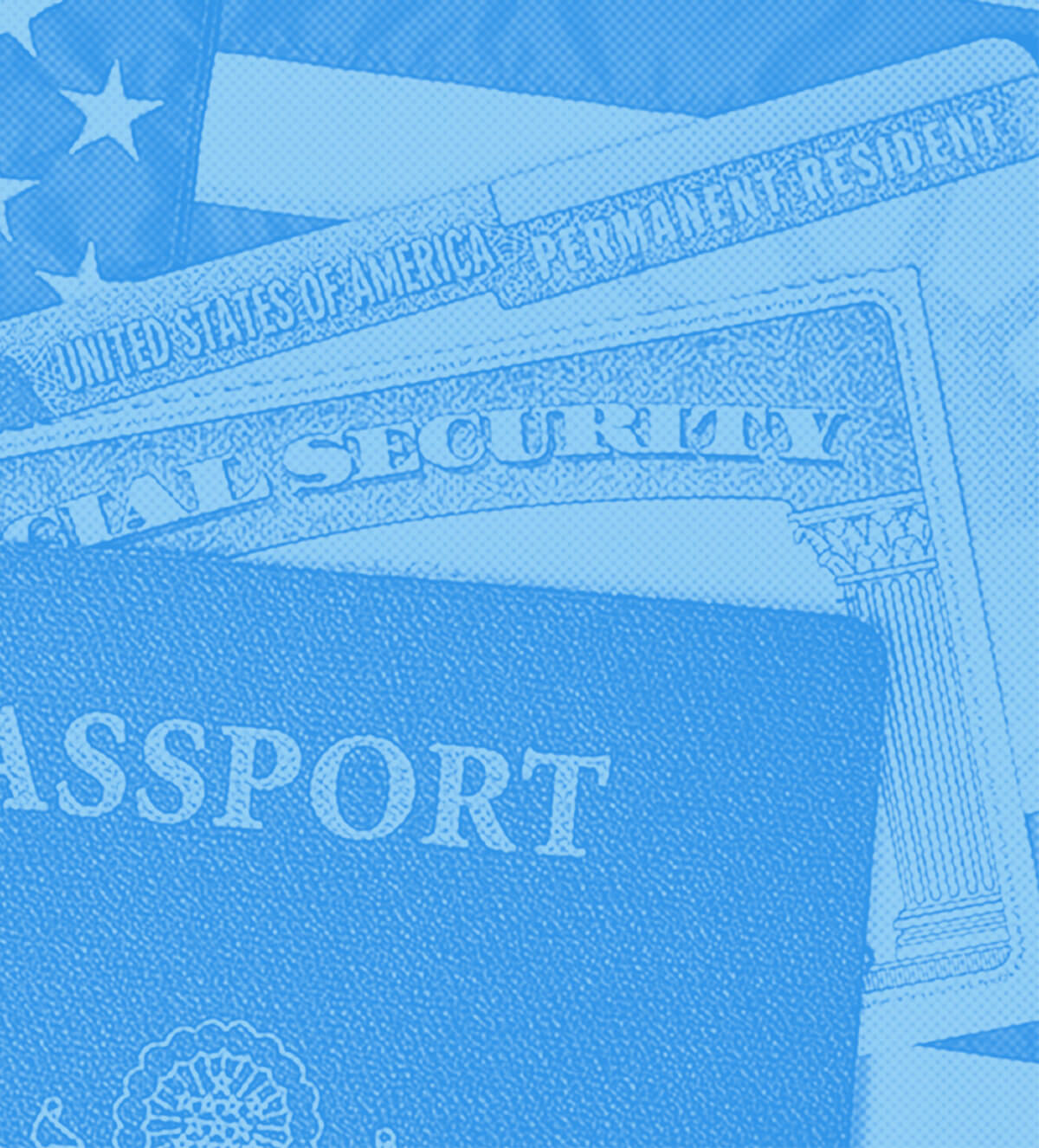
The Florida SAVE Act requires voters to present a birth certificate, passport, Social Security card or other proof of U.S. citizenship in order to be eligible to vote. Student IDs and retirement community IDs will not be accepted. Election officials have raised concerns that verifying the validity of various ID documents could create logistical challenges. Civil rights groups argue the law disproportionately impacts the elderly, who may have difficulty obtaining the required documents.
- The new law was signed by Governor DeSantis on April 1, 2026.
- The law is not set to take effect until after the 2026 midterm elections.
The players
Ron DeSantis
The Republican governor of Florida who signed the new voter ID law.
Wendy Sartory Link
The supervisor of elections for Palm Beach County, Florida, who expressed concerns about the logistical challenges the new law could pose for election officials.
American Civil Liberties Union
A civil rights organization that has filed a lawsuit challenging the Florida SAVE Act on behalf of the League of Women Voters of Florida and other advocacy groups.
What’s next
The new Florida law is expected to face ongoing legal challenges from civil rights groups before it can be implemented. The outcome of these court battles could set an important precedent for similar voter ID measures in other states.
The takeaway
The debate over the Florida SAVE Act highlights the broader partisan divide over voting rights and election integrity. While proponents argue the law is necessary to protect the sanctity of the electoral process, critics contend it is a thinly veiled attempt at voter suppression that could disproportionately impact certain demographics. The legal fight over this law will be closely watched nationwide.