- Today
- Holidays
- Birthdays
- Reminders
- Cities
- Atlanta
- Austin
- Baltimore
- Berwyn
- Beverly Hills
- Birmingham
- Boston
- Brooklyn
- Buffalo
- Charlotte
- Chicago
- Cincinnati
- Cleveland
- Columbus
- Dallas
- Denver
- Detroit
- Fort Worth
- Houston
- Indianapolis
- Knoxville
- Las Vegas
- Los Angeles
- Louisville
- Madison
- Memphis
- Miami
- Milwaukee
- Minneapolis
- Nashville
- New Orleans
- New York
- Omaha
- Orlando
- Philadelphia
- Phoenix
- Pittsburgh
- Portland
- Raleigh
- Richmond
- Rutherford
- Sacramento
- Salt Lake City
- San Antonio
- San Diego
- San Francisco
- San Jose
- Seattle
- Tampa
- Tucson
- Washington
Mt. Dora Officer Drove 122 MPH on I-4, Troopers Let Him Go
Trooper cited the officer under Florida's 'super speeder' law but did not arrest him.
Apr. 16, 2026 at 10:54am
Got story updates? Submit your updates here. ›
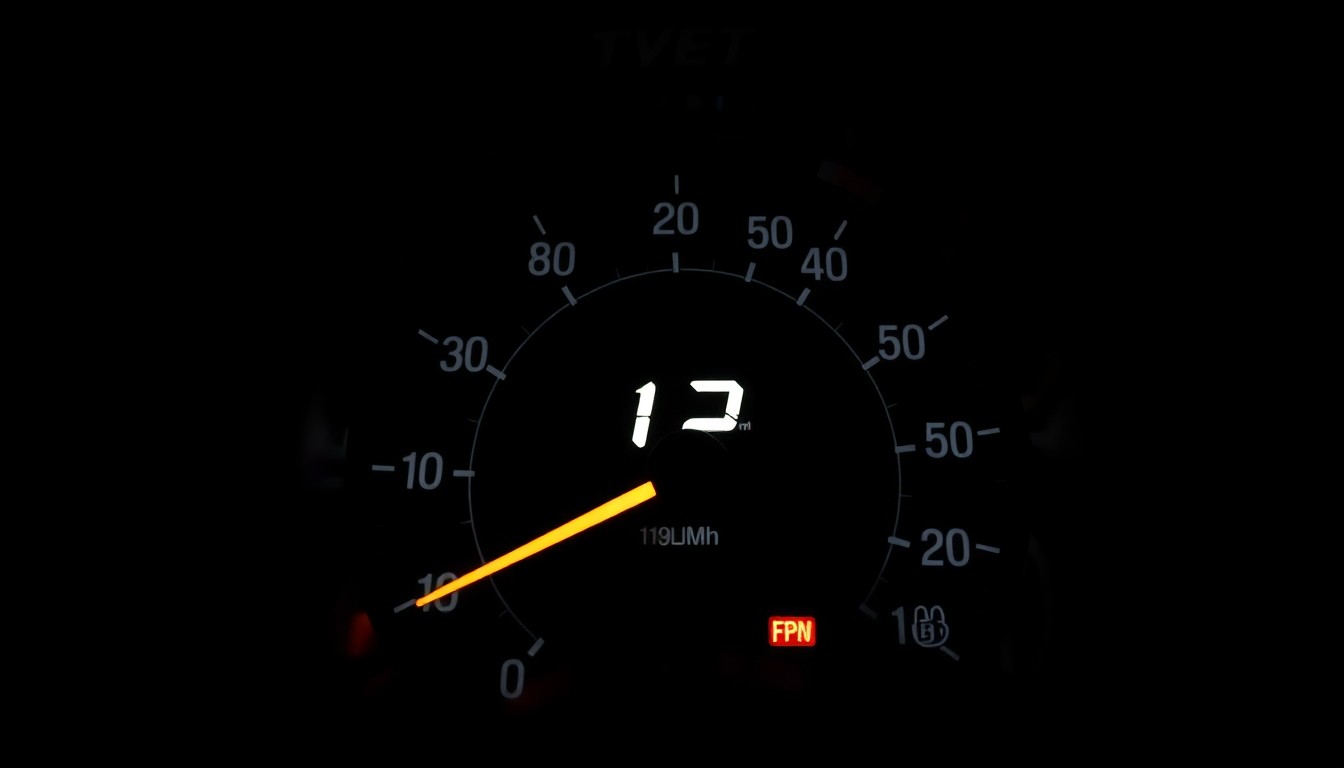 A recent wave of speeding incidents by law enforcement officers exposes inconsistencies in how the 'super speeder' law is enforced across Central Florida.Today in Orlando
A Mt. Dora police officer was clocked driving 122 mph on I-4 by a Florida Highway Patrol trooper in January 2026. The trooper cited the officer under the state's 'super speeder' law but ultimately let him go with a court date and a warning to drive safely, rather than arresting him.
Why it matters
The incident highlights concerns about potential preferential treatment for law enforcement officers accused of serious traffic violations, as well as questions about how consistently the 'super speeder' law is enforced across different jurisdictions and agencies in Central Florida.
The details
Trooper Tyler Novak said he clocked the Mt. Dora officer, identified as Travis Pittman, driving 122 mph in the I-4 express lanes, where the speed limit is 60 mph. Novak charged Pittman under the 'super speeder' law, which allows officers to arrest drivers traveling at speeds 50 mph above the posted limit or greater than 100 mph on the highway. However, Novak chose not to arrest Pittman and instead let him drive off with a court date and a warning.
- The incident occurred in the early morning hours of January 17, 2026.
The players
Trooper Tyler Novak
A Florida Highway Patrol trooper who clocked a Mt. Dora police officer driving 122 mph on I-4 and cited him under the 'super speeder' law.
Travis Pittman
A Mt. Dora police officer who was cited for driving 122 mph on I-4, but was not arrested by the trooper.
What’s next
Mt. Dora Police said Pittman would be subject to an internal investigation after his criminal case wraps up.
The takeaway
This incident raises questions about potential preferential treatment for law enforcement officers accused of serious traffic violations, as well as the consistency of enforcement of the 'super speeder' law across different agencies in Central Florida.
Orlando top stories



Orlando events

Apr. 18, 2026
Cirque du Soleil: Drawn to Life
Apr. 18, 2026
Bad Suns: ACCELERATOUR USA 2026
Apr. 18, 2026
Stifel Stars on Ice - U.S.