- Today
- Holidays
- Birthdays
- Reminders
- Cities
- Atlanta
- Austin
- Baltimore
- Berwyn
- Beverly Hills
- Birmingham
- Boston
- Brooklyn
- Buffalo
- Charlotte
- Chicago
- Cincinnati
- Cleveland
- Columbus
- Dallas
- Denver
- Detroit
- Fort Worth
- Houston
- Indianapolis
- Knoxville
- Las Vegas
- Los Angeles
- Louisville
- Madison
- Memphis
- Miami
- Milwaukee
- Minneapolis
- Nashville
- New Orleans
- New York
- Omaha
- Orlando
- Philadelphia
- Phoenix
- Pittsburgh
- Portland
- Raleigh
- Richmond
- Rutherford
- Sacramento
- Salt Lake City
- San Antonio
- San Diego
- San Francisco
- San Jose
- Seattle
- Tampa
- Tucson
- Washington
Laptop Battery Myths Debunked: Is Leaving It Plugged In Safe?
Modern devices have built-in safeguards to prevent overcharging and battery degradation.
Apr. 8, 2026 at 4:20am
Got story updates? Submit your updates here. ›
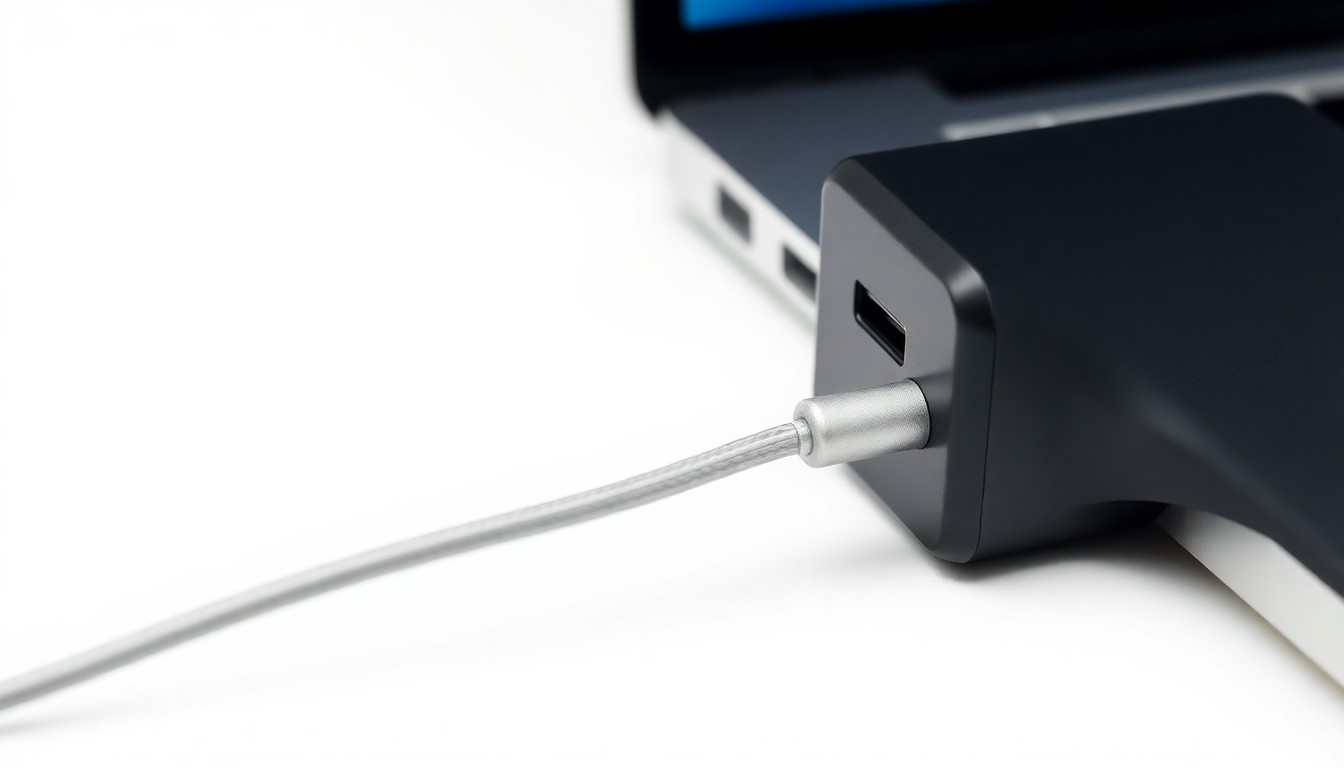 Advances in battery technology have made it safer to leave laptops plugged in without worrying about overcharging or degradation.Today in Orlando
A reader asks whether leaving their laptop plugged in all the time can hurt the battery's lifespan. The article explains that while older nickel-cadmium batteries were prone to overheating and damage from constant charging, modern lithium-ion and lithium polymer batteries found in today's laptops have advanced battery management systems that prevent overcharging. Experts say keeping laptops charged between 20-80% is ideal, but leaving them plugged in most of the time is generally safe and won't significantly degrade the battery over time.
Why it matters
Many laptop owners are concerned about battery life and want to maximize the longevity of their device's power source. This article provides helpful, myth-busting information to reassure readers that the common practice of leaving laptops plugged in when not in use is unlikely to harm the battery, thanks to built-in safeguards in modern devices.
The details
Older nickel-cadmium laptop batteries were prone to overheating and other issues if left constantly plugged in, which could lead to gas leaks and fire risks. But today's standard lithium-ion and lithium polymer batteries are much safer and more efficient. Laptop makers like HP have included specialized battery management systems that monitor voltage, temperature and charging state to prevent overcharging. Experts recommend keeping lithium-ion batteries charged between 20-80% for optimal longevity, but say leaving laptops plugged in most of the time won't significantly degrade the battery over its lifespan.
- The article was published on April 8, 2026.
The players
Hamza Ali
An advanced trainer at UBreakiFix by Aurion in Orlando, Florida who provided expert commentary on the differences between older and modern laptop battery technologies.
HP
The laptop manufacturer that was quoted on its website about the battery management systems in its modern devices.
What they’re saying
“Older nickel-cadmium batteries would 'forget' their full capacity if not completely discharged, but modern lithium-ion batteries deliver consistent charge cycles.”
— HP
“Through something called 'trickle charging,' slow amounts of electricity are released, whether a computer is fully charged or not.”
— Hamza Ali, Advanced Trainer, UBreakiFix by Aurion
The takeaway
This article helps dispel common misconceptions about leaving laptops constantly plugged in and its impact on battery life. With modern safeguards in place, it's generally safe to leave laptops charging most of the time without significantly degrading the battery over its lifespan. As long as users keep their device's charge between 20-80%, they can feel confident about maximizing their laptop's battery longevity.
Orlando top stories



Orlando events

Apr. 8, 2026
Cirque du Soleil: Drawn to Life

Apr. 8, 2026
Zara Larsson: Midnight Sun Tour 2026