- Today
- Holidays
- Birthdays
- Reminders
- Cities
- Atlanta
- Austin
- Baltimore
- Berwyn
- Beverly Hills
- Birmingham
- Boston
- Brooklyn
- Buffalo
- Charlotte
- Chicago
- Cincinnati
- Cleveland
- Columbus
- Dallas
- Denver
- Detroit
- Fort Worth
- Houston
- Indianapolis
- Knoxville
- Las Vegas
- Los Angeles
- Louisville
- Madison
- Memphis
- Miami
- Milwaukee
- Minneapolis
- Nashville
- New Orleans
- New York
- Omaha
- Orlando
- Philadelphia
- Phoenix
- Pittsburgh
- Portland
- Raleigh
- Richmond
- Rutherford
- Sacramento
- Salt Lake City
- San Antonio
- San Diego
- San Francisco
- San Jose
- Seattle
- Tampa
- Tucson
- Washington
ChatGPT as a Nutrition Coach: What Happens When AI Tracks Your Meals
Large language models are quietly becoming personal nutritionists, but their usefulness depends on user input and clinical oversight.
Apr. 3, 2026 at 10:35am
Got story updates? Submit your updates here. ›
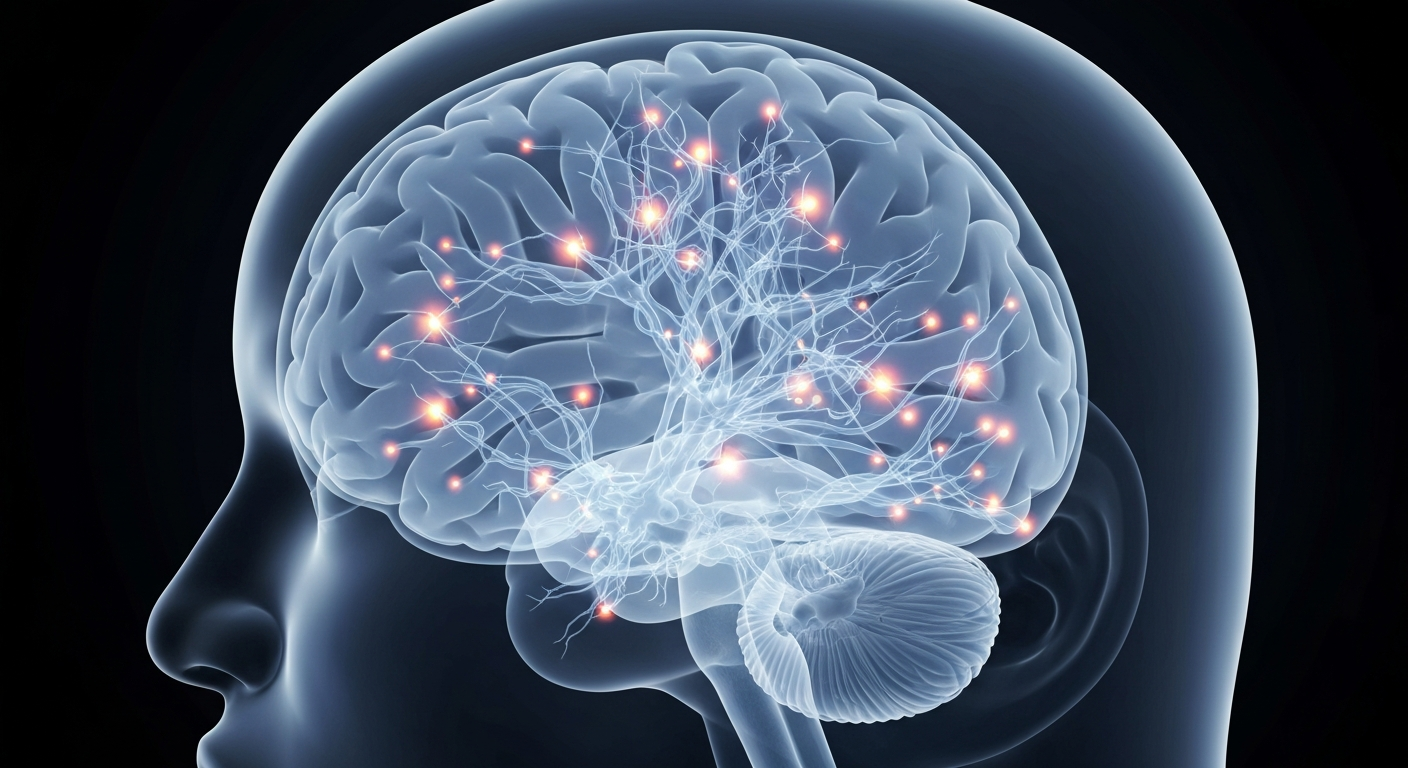
 An AI-powered nutrition coach can spot patterns in a user's eating habits, but lacks the clinical oversight and accountability of a human dietitian.Today in Orlando
A reporter recently used ChatGPT to log meals and get nutrition advice, with surprisingly practical results. While generative AI can spot patterns and suggest swaps, it lacks the clinical data and accountability of a human dietitian. The market is moving towards AI-powered nutrition tools that combine conversational ease with verified health metrics and databases.
Why it matters
As the global digital health and wellness market grows to over $640 billion by 2027, personalized nutrition is one of the fastest-growing segments. Startups are already using AI and continuous glucose monitoring to provide food recommendations, but generic chatbots like ChatGPT have limitations in terms of clinical credibility and accountability.
The details
The reporter found that instead of struggling with calorie-tracking apps, she could dump rough estimates of her meals into a ChatGPT chat thread. The AI spotted patterns she had missed, like inconsistent protein intake on rest days, and suggested swaps like Greek yogurt instead of chips. A registered dietitian confirmed the advice was reasonable, though the quality depends on the user's input. Traditional food tracking apps have struggled with user retention, as the friction of searching databases, estimating portions, and logging ingredients turns health goals into tedious data entry. Generative AI lowers that barrier, allowing conversational, forgiving inputs. The real advantage is pattern recognition over micromanagement - an AI can observe behavioral trends a user may miss.
- The global digital health and wellness market is projected to exceed $640 billion by 2027.
- Startups like Signos, Zoe, and January AI are already combining continuous glucose monitors with AI-driven food recommendations.
The players
ChatGPT
A large language model that is being used as a personal nutrition coach, providing meal tracking and dietary suggestions.
Business Insider
The publication that sent a reporter to test ChatGPT as a nutrition coach.
Orlando Health
A healthcare organization in Florida that provided a registered dietitian to review the ChatGPT nutrition advice.
MyFitnessPal, Lose It, and Cronometer
Traditional calorie-tracking apps that have built large food databases but struggle with user retention.
Signos, Zoe, and January AI
Startups combining continuous glucose monitors with AI-driven food recommendations.
What they’re saying
“The quality of results depends heavily on the user's input and who originally set the nutritional targets.”
— Registered Dietitian, at Orlando Health
What’s next
The winning products in AI-powered nutrition will combine the conversational ease of large language models with proprietary data such as lab results, wearable biometrics, and verified nutritional databases. They will also handle the compliance and liability questions that come with giving health advice at scale.
The takeaway
ChatGPT and similar AI chatbots are genuinely useful for building awareness, spotting habits, and getting low-friction dietary suggestions, but they are not a replacement for professional medical or nutritional guidance, especially for people with specific conditions, allergies, or performance goals. The next generation of tools will need to pair AI convenience with clinical credibility to own a significant piece of the personalized health market.
Orlando top stories


Orlando events

Apr. 4, 2026
The Secret Illegal Comedy Show
Apr. 4, 2026
Gladys Knight
Apr. 4, 2026
Cirque du Soleil: Drawn to Life