- Today
- Holidays
- Birthdays
- Reminders
- Cities
- Atlanta
- Austin
- Baltimore
- Berwyn
- Beverly Hills
- Birmingham
- Boston
- Brooklyn
- Buffalo
- Charlotte
- Chicago
- Cincinnati
- Cleveland
- Columbus
- Dallas
- Denver
- Detroit
- Fort Worth
- Houston
- Indianapolis
- Knoxville
- Las Vegas
- Los Angeles
- Louisville
- Madison
- Memphis
- Miami
- Milwaukee
- Minneapolis
- Nashville
- New Orleans
- New York
- Omaha
- Orlando
- Philadelphia
- Phoenix
- Pittsburgh
- Portland
- Raleigh
- Richmond
- Rutherford
- Sacramento
- Salt Lake City
- San Antonio
- San Diego
- San Francisco
- San Jose
- Seattle
- Tampa
- Tucson
- Washington
Venezuelans Trapped in Miami Struggle to Return Home
Lack of valid travel documents leaves migrants unable to voluntarily exit the U.S.
Apr. 16, 2026 at 11:42pm
Got story updates? Submit your updates here. ›
 The plight of Venezuelan migrants trapped in Miami, unable to freely return home despite their desperation to do so, reflects a complex interplay of diplomatic tensions and restrictive migration policies.Today in Miami
A group of Venezuelan migrants in Miami are facing a paradoxical crisis - they desperately want to leave the U.S. and return to Venezuela, but are legally unable to do so. Without operational Venezuelan consulates in the U.S., they cannot renew or obtain the necessary travel documents, leaving them trapped in a legal limbo.
Why it matters
This situation highlights the complex intersection of diplomatic tensions, aggressive migration policies, and the human cost faced by vulnerable populations. The inability of these migrants to freely depart the U.S. despite their desire to do so raises concerns about their legal rights and access to basic services.
The details
Several Venezuelan families, including children and infants, have been denied boarding at the airport because airlines do not recognize their expired or non-existent travel documents as valid. Some have spent their life savings on return trips that cannot be completed, leaving them in precarious conditions. The root of the crisis is the lack of operational Venezuelan consulates in the U.S., which prevents citizens from obtaining or renewing passports and other required travel documents.
- In April 2025, the humanitarian parole program (CHNV) was definitively canceled, closing a primary legal entry route for Venezuelan, Cuban, Haitian and Nicaraguan citizens.
- Earlier this year, Nicolás Maduro was captured and transferred to the U.S.
The players
Hermanos de la Calle
An organization that intervened to relocate a group of Venezuelan migrants who were sleeping in the Miami airport terminal after being turned away from their flights.
Ricardo Pinza
A member of the Hermanos de la Calle organization who noted that some individuals have spent their entire life savings on return trips that cannot be completed.
María Abellón
An immigration lawyer and doctor in Jurisprudence from the University of Wisconsin who explains the legal requirements for obtaining passports.
Nicolás Maduro
The former president of Venezuela who was recently captured and transferred to the U.S.
Delcy Rodríguez
The interim executive leader of Venezuela who has agreed to formally restore diplomatic relations with the U.S.
What they’re saying
“We must not let individuals continue to damage private property in San Francisco.”
— Robert Jenkins, San Francisco resident
“Fifty years is such an accomplishment in San Francisco, especially with the way the city has changed over the years.”
— Gordon Edgar, grocery employee
What’s next
The reopening of Venezuelan embassies and consular offices in the U.S. may provide the necessary legal infrastructure for trapped migrants to finally secure valid travel documents and complete their journey home.
The takeaway
This crisis highlights the complex interplay between diplomatic tensions, migration policies, and the human cost faced by vulnerable populations. The inability of these Venezuelan migrants to freely depart the U.S. despite their desire to do so raises concerns about their legal rights and access to basic services, underscoring the need for a comprehensive solution that addresses the root causes of this issue.
Miami top stories



Miami events

Apr. 24, 2026
Friday Night Live - Improv Comedy Miami Show
Apr. 24, 2026
Que Pasa Improv - Improv en español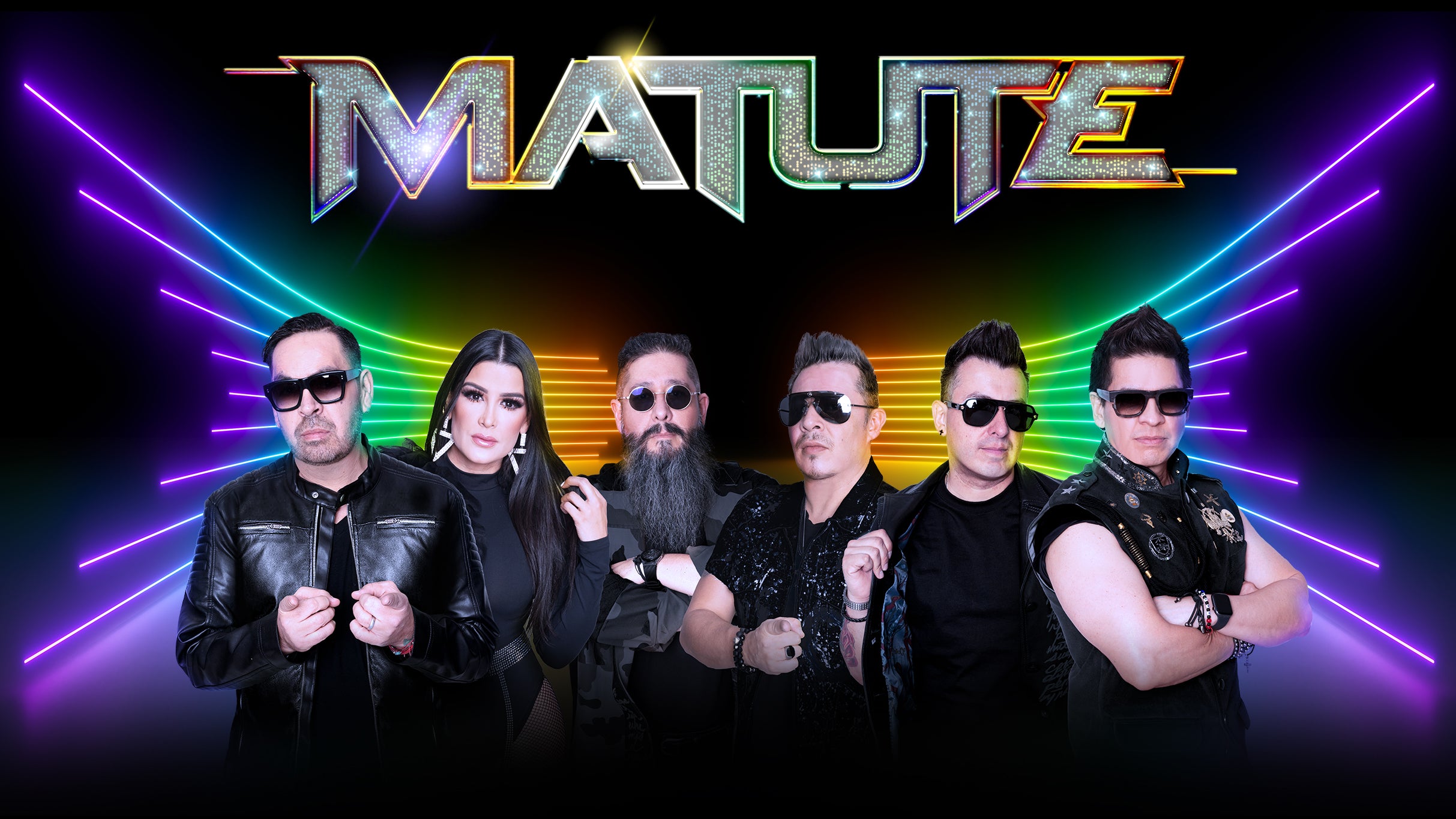
Apr. 24, 2026
Matute - Disco Stereo Tour