- Today
- Holidays
- Birthdays
- Reminders
- Cities
- Atlanta
- Austin
- Baltimore
- Berwyn
- Beverly Hills
- Birmingham
- Boston
- Brooklyn
- Buffalo
- Charlotte
- Chicago
- Cincinnati
- Cleveland
- Columbus
- Dallas
- Denver
- Detroit
- Fort Worth
- Houston
- Indianapolis
- Knoxville
- Las Vegas
- Los Angeles
- Louisville
- Madison
- Memphis
- Miami
- Milwaukee
- Minneapolis
- Nashville
- New Orleans
- New York
- Omaha
- Orlando
- Philadelphia
- Phoenix
- Pittsburgh
- Portland
- Raleigh
- Richmond
- Rutherford
- Sacramento
- Salt Lake City
- San Antonio
- San Diego
- San Francisco
- San Jose
- Seattle
- Tampa
- Tucson
- Washington
Will Max Verstappen's F1 Career End in 2026? The Impact of New Regulations
Verstappen's public questions about returning in 2027 signal a deeper tension between driver ambition and the sport's evolving rulebook.
Apr. 13, 2026 at 2:23am
Got story updates? Submit your updates here. ›
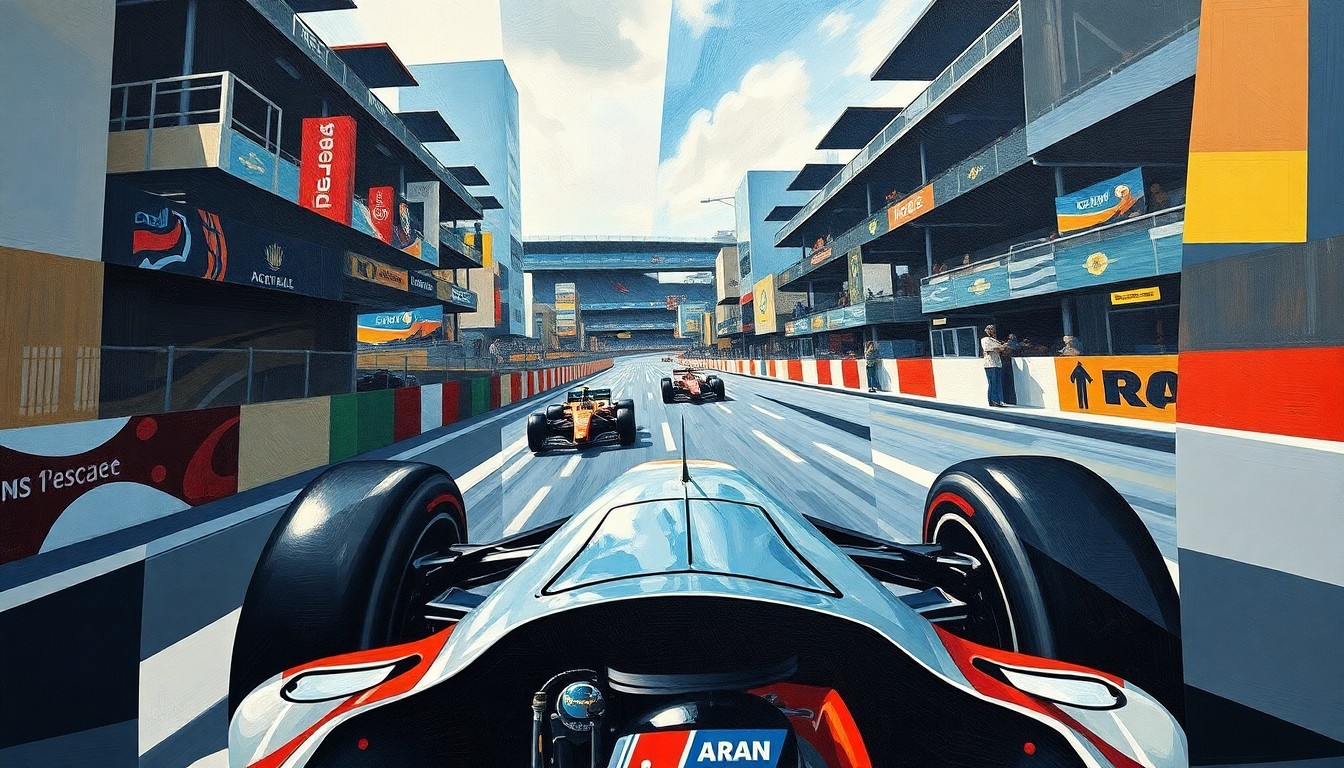 As Formula 1 navigates a pivotal crossroads between technological progress and the essence of driving mastery, the sport's future hangs in the balance.Today in Miami
My read of the current F1 landscape isn't about who wins the next race; it's about who stays in the sport as it reshapes itself around electrification, new manufacturers, and a perceived mismatch between driver ambition and regulation design. Verstappen's honesty about the sport's direction isn't just a gripe from a frustrated champion; it's a symptom of a larger, unsettled moment for F1 and the people who fund, govern, and watch it.
Why it matters
Verstappen's frustration underscores a deeper misalignment between the sport's economic/industrial goals and the on-track experience. When a driver who once defined the current generation's standard of performance says the car is anti-driving, it may reflect a fatigue with chasing acceptable margins in a design space that prioritizes efficiency, reliability, or brand appeal over raw on-track feel. This matters because driver trust and engagement are essential for long-term audience loyalty.
The details
The regulatory push toward electrification and new manufacturers is changing the character of the cars, and Verstappen's public questions about returning in 2027 aren't just a personal decision in isolation. They're a signal that the sport's evolving rulebook may be drifting away from what a driver of his caliber actually wants from a race weekend: pure, driver-centric, edge-of-seat driving.
- The FIA plans to meet in April 2026 to decide on potential changes to the regulations.
- There is a 35-day gap between the Suzuka and Miami races, which serves as a pressure valve for the sport's decision-makers.
The players
Max Verstappen
A two-time Formula 1 world champion who has publicly questioned whether he will return to the sport in 2027 due to concerns about the evolving regulations.
FIA
The governing body of Formula 1 that is responsible for setting the sport's regulations.
Formula 1
The premier open-wheel racing series that is undergoing a shift toward electrification and attracting new manufacturers.
What’s next
The FIA plans to meet in April 2026 to decide on potential changes to the regulations, which could redefine the sport's trajectory for years.
The takeaway
This moment demands humility from decision-makers and courage to chart a path that honors both innovation and the raw, unfiltered joy of driving at the edge. What happens next could redefine not just Verstappen's career, but the very meaning of racing in the modern era.
Miami top stories


Miami events
Apr. 15, 2026
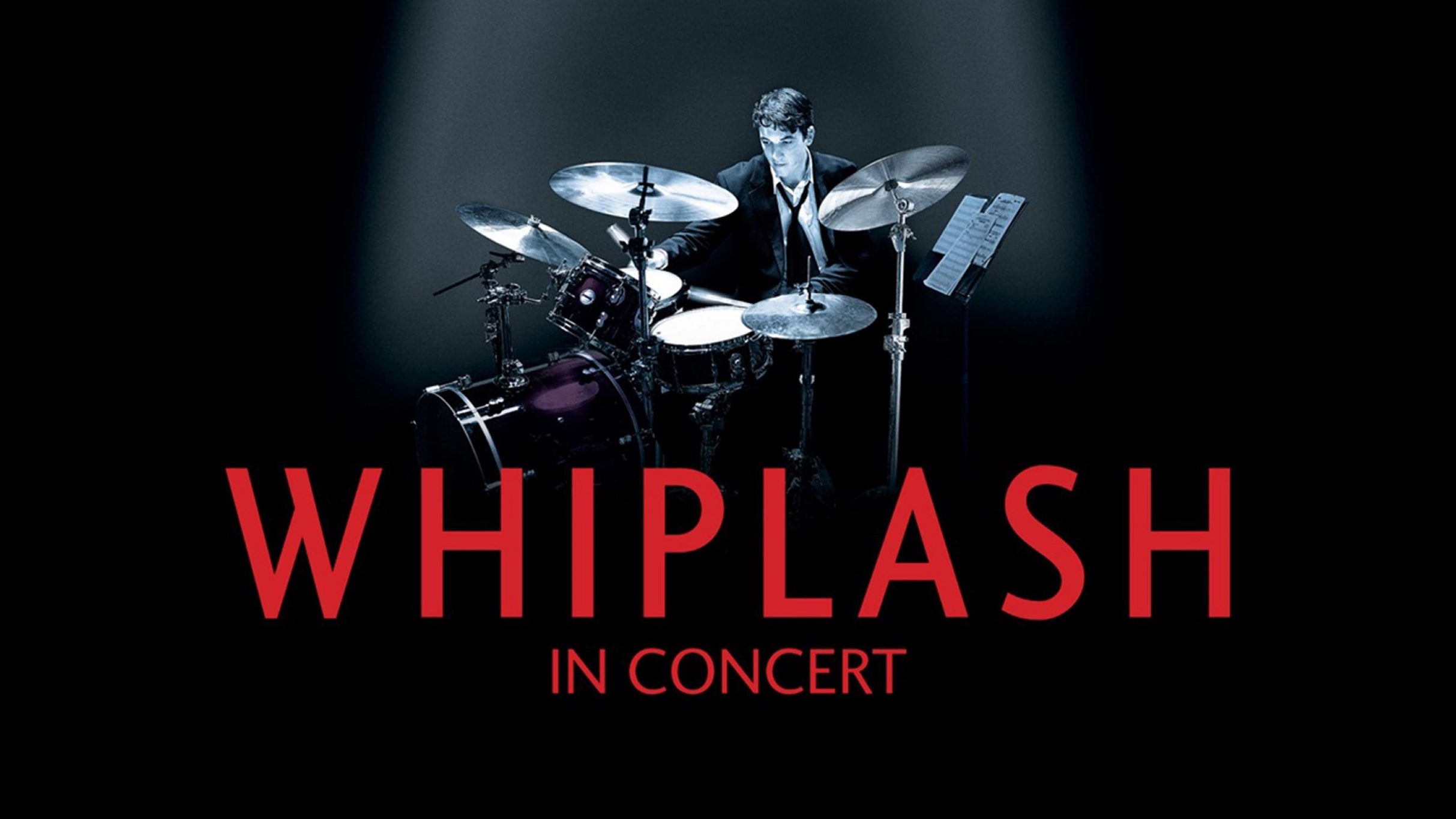
Whiplash In Concert
Apr. 16, 2026
Improv Acting 1 - Improv Scenework
Apr. 17, 2026
Friday Night Live - Improv Comedy Miami Show