- Today
- Holidays
- Birthdays
- Reminders
- Cities
- Atlanta
- Austin
- Baltimore
- Berwyn
- Beverly Hills
- Birmingham
- Boston
- Brooklyn
- Buffalo
- Charlotte
- Chicago
- Cincinnati
- Cleveland
- Columbus
- Dallas
- Denver
- Detroit
- Fort Worth
- Houston
- Indianapolis
- Knoxville
- Las Vegas
- Los Angeles
- Louisville
- Madison
- Memphis
- Miami
- Milwaukee
- Minneapolis
- Nashville
- New Orleans
- New York
- Omaha
- Orlando
- Philadelphia
- Phoenix
- Pittsburgh
- Portland
- Raleigh
- Richmond
- Rutherford
- Sacramento
- Salt Lake City
- San Antonio
- San Diego
- San Francisco
- San Jose
- Seattle
- Tampa
- Tucson
- Washington
The Evolution of Harley-Davidson's Iconic 'Potato' Engine Sound
New regulations and engine upgrades have changed the classic rumble of Harley motorcycles
Apr. 13, 2026 at 5:16am
Got story updates? Submit your updates here. ›
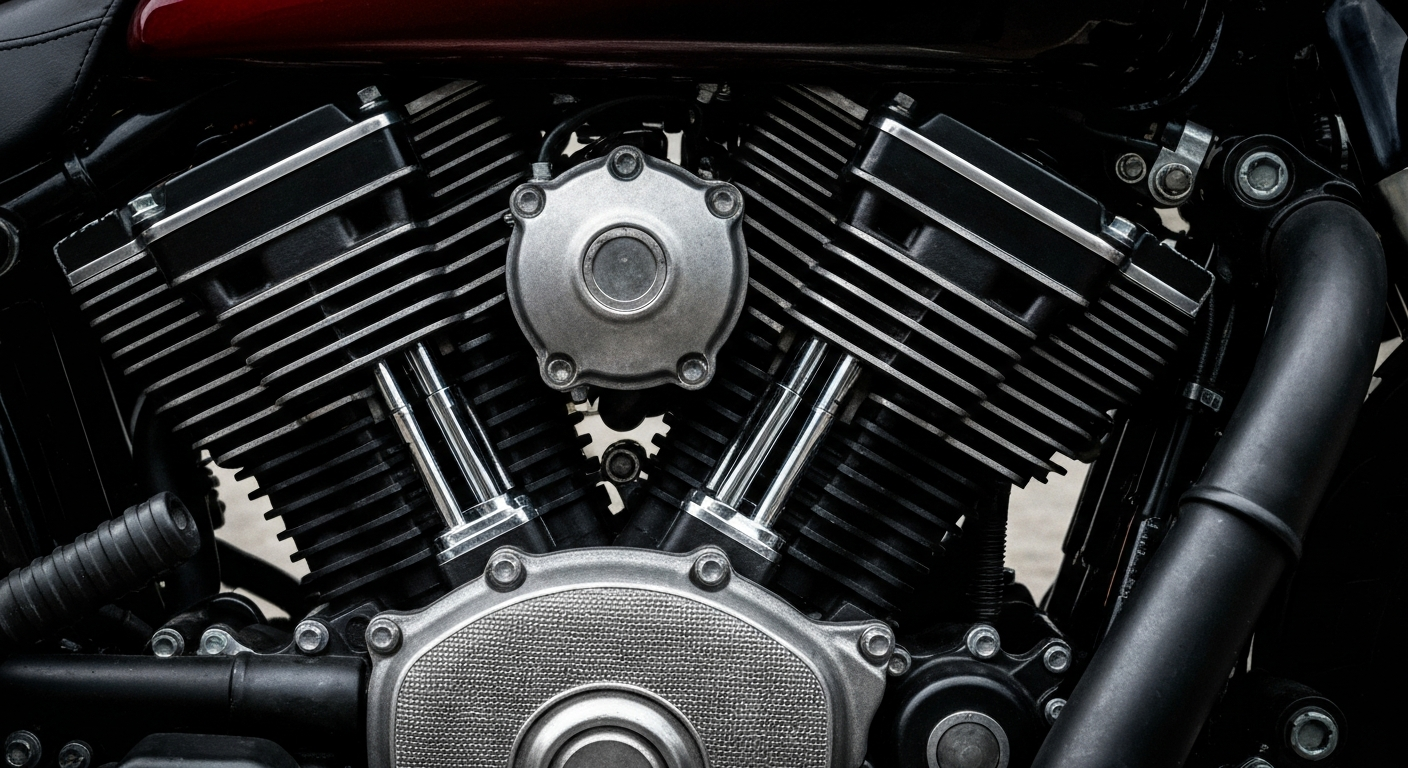 The evolving sound of Harley-Davidson motorcycles reflects the brand's ongoing efforts to balance heritage and innovation.Today in Miami
The Harley-Davidson motorcycle is an iconic symbol of American culture, but its signature sound is evolving. The shift in engine noise can be attributed to the Milwaukee-Eight engine, an upgrade from the iconic Big Twin that aimed to enhance performance while reducing mechanical noise and vibration. This has resulted in a smoother, less aggressive sound compared to the classic 'potato' rumble. Government regulations on noise emissions have also played a role in this sonic evolution, forcing Harley-Davidson to adapt their engines to meet specific decibel limits.
Why it matters
The Harley-Davidson sound is a beloved feature that sets these bikes apart, and the changes have sparked debate among enthusiasts. Some see the new sound as a necessary evolution, while others long for the days of the potato-powered engines. The debate highlights the delicate balance between honoring heritage and adapting to modern standards, as Harley-Davidson navigates the evolving landscape of motorcycle design and regulation.
The details
The new Milwaukee-Eight engine, introduced in 2017, was designed to enhance performance while reducing mechanical noise and vibration. This has resulted in a smoother, less aggressive sound compared to the classic 'potato' rumble of older Harley models. Government regulations on noise emissions in the US and Europe have also played a significant role in this sonic evolution, forcing Harley-Davidson to adapt their engines to meet specific decibel limits. Many Harley owners, seeking to recapture the iconic sound, modify their bikes with aftermarket systems, but this practice might be illegal in certain states and could void the warranty.
- The Milwaukee-Eight engine was introduced in 2017.
- Newer Harley-Davidson models, like the 2026 Road Glide, feature the updated engine.
The players
Harley-Davidson
An American motorcycle manufacturer known for its iconic brand and signature engine sound.
Milwaukee-Eight Engine
An upgraded engine introduced by Harley-Davidson in 2017 that aimed to enhance performance while reducing mechanical noise and vibration.
The takeaway
The evolution of the Harley-Davidson engine sound highlights the delicate balance between honoring the brand's heritage and adapting to modern regulations and consumer preferences. While some enthusiasts may long for the classic 'potato' rumble, the changes reflect the ongoing challenges and innovations in the motorcycle industry as it navigates the demands of performance, noise control, and customer satisfaction.
Miami top stories



Miami events

Apr. 13, 2026
Stand Up Comedy Classes
Apr. 15, 2026
Whiplash In Concert
Apr. 16, 2026
Improv Acting 1 - Improv Scenework