- Today
- Holidays
- Birthdays
- Reminders
- Cities
- Atlanta
- Austin
- Baltimore
- Berwyn
- Beverly Hills
- Birmingham
- Boston
- Brooklyn
- Buffalo
- Charlotte
- Chicago
- Cincinnati
- Cleveland
- Columbus
- Dallas
- Denver
- Detroit
- Fort Worth
- Houston
- Indianapolis
- Knoxville
- Las Vegas
- Los Angeles
- Louisville
- Madison
- Memphis
- Miami
- Milwaukee
- Minneapolis
- Nashville
- New Orleans
- New York
- Omaha
- Orlando
- Philadelphia
- Phoenix
- Pittsburgh
- Portland
- Raleigh
- Richmond
- Rutherford
- Sacramento
- Salt Lake City
- San Antonio
- San Diego
- San Francisco
- San Jose
- Seattle
- Tampa
- Tucson
- Washington
Ancient Plant DNA Reveals 400 Million Years of Regulatory Secrets
New research uncovers a vast, conserved network of regulatory DNA that has guided plant evolution for eons
Apr. 13, 2026 at 3:53am
Got story updates? Submit your updates here. ›
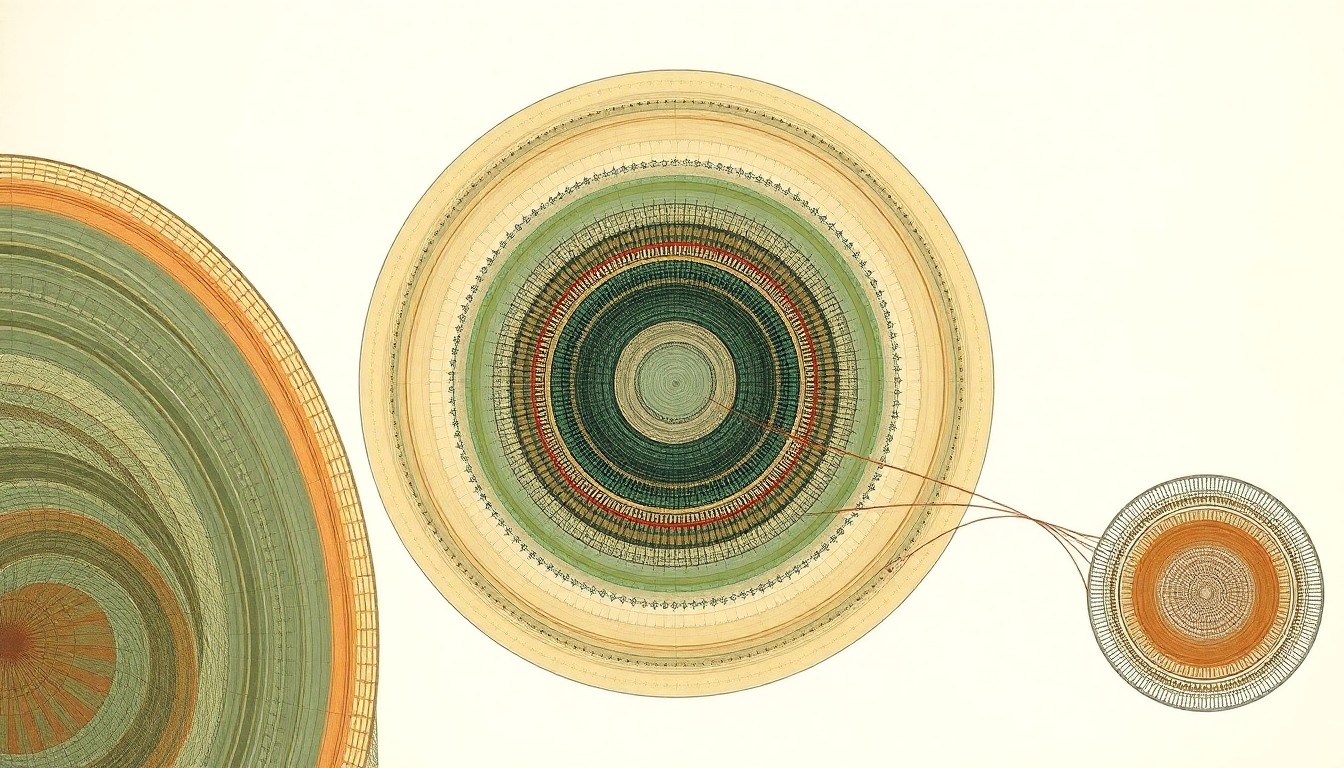 A vast, ancient regulatory network has guided plant evolution for hundreds of millions of years, revealing the resilience and modularity of life's adaptability.Today in Miami
A global team of scientists has made a groundbreaking discovery in plant biology, revealing a vast network of conserved non-coding sequences (CNSs) that have persisted in plant genomes for over 400 million years. These ancient regulatory switches have maintained their functional roles even as plant genomes have dramatically reorganized, shedding new light on the resilience and adaptability of plant life.
Why it matters
This finding challenges the assumption that plant regulatory DNA is a chaotic, rapidly evolving mosaic. Instead, it suggests plants have preserved a deeply shared regulatory language that has guided their development and evolution across vast timescales. Understanding this ancient regulatory framework could lead to major advancements in crop science, allowing breeders to precisely engineer desirable traits with greater efficiency.
The details
The researchers used a novel computational platform called Conservatory to identify over 2.3 million CNSs conserved across 314 plant genomes from 284 different species. These CNSs appear to follow three key evolutionary patterns: they retain their relative chromosome order even as their spacing shifts, they can migrate to bind new gene targets when genomes rearrange, and they often survive gene duplication events to seed new regulatory relationships. This reveals a remarkable resilience and adaptability in plant regulatory DNA.
- The study was published in the journal Nature on April 13, 2026.
The players
Conservatory
A computational platform developed through a collaboration between researchers at Hebrew University, Cambridge University, and Cold Spring Harbor Laboratory. Conservatory acts as a high-powered tool for identifying conserved regulatory signals across plant genomes.
Global Research Team
An international group of scientists from various institutions who conducted the study on the ancient regulatory network preserved in plant DNA.
What they’re saying
“We are witnessing a shift in how we understand plant evolution and potential. Ancient CNSs form a regulatory backbone that has withstood hundreds of millions of years of genomic rearrangements, guiding plant development across a staggering array of life.”
— Twana Towne Ret, National Specialist
What’s next
The researchers plan to continue expanding the Conservatory atlas, mapping more conserved regulatory elements across an even broader range of plant species. This resource will enable breeders and scientists to target specific regulatory switches linked to desirable traits, accelerating the development of climate-resilient and high-yielding crop varieties.
The takeaway
This discovery fundamentally reshapes our understanding of plant evolution, revealing a remarkably stable regulatory framework that has guided the development of plant life for hundreds of millions of years. By harnessing this ancient regulatory code, the future of crop science and agriculture could see dramatic advancements in sustainability, productivity, and resilience.
Miami top stories



Miami events

Apr. 13, 2026
Stand Up Comedy Classes
Apr. 15, 2026
Whiplash In Concert
Apr. 16, 2026
Improv Acting 1 - Improv Scenework