- Today
- Holidays
- Birthdays
- Reminders
- Cities
- Atlanta
- Austin
- Baltimore
- Berwyn
- Beverly Hills
- Birmingham
- Boston
- Brooklyn
- Buffalo
- Charlotte
- Chicago
- Cincinnati
- Cleveland
- Columbus
- Dallas
- Denver
- Detroit
- Fort Worth
- Houston
- Indianapolis
- Knoxville
- Las Vegas
- Los Angeles
- Louisville
- Madison
- Memphis
- Miami
- Milwaukee
- Minneapolis
- Nashville
- New Orleans
- New York
- Omaha
- Orlando
- Philadelphia
- Phoenix
- Pittsburgh
- Portland
- Raleigh
- Richmond
- Rutherford
- Sacramento
- Salt Lake City
- San Antonio
- San Diego
- San Francisco
- San Jose
- Seattle
- Tampa
- Tucson
- Washington
Williams F1 Struggles with Overweight 2026 Car
Team battles weight issues and performance deficits as new regulations expose organizational challenges
Apr. 12, 2026 at 5:05am
Got story updates? Submit your updates here. ›
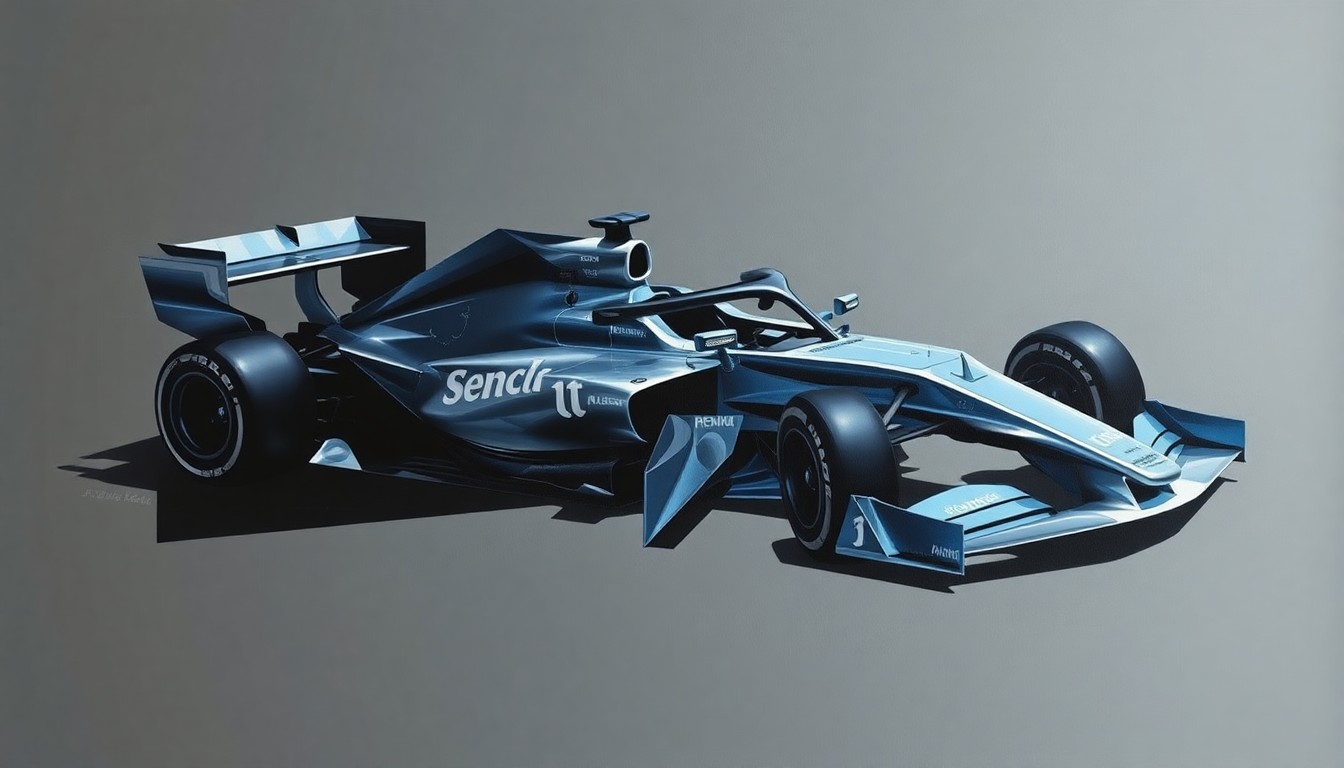 Williams' 2026 Formula 1 car, deconstructed into a cubist masterpiece, reflects the team's struggle to adapt to sweeping regulatory changes.Today in Miami
Williams Racing's 2026 Formula 1 season has gotten off to a rocky start, with the team's new car reportedly 20-25kg overweight, costing them over 0.6 seconds per lap. The weight issue is symptomatic of deeper organizational problems, including inefficient manufacturing, underutilization of the Mercedes power unit, and persistent aerodynamic issues. Team boss James Vowles has acknowledged the team isn't yet at the level required to adapt to the sweeping 2026 regulation changes, raising questions about Williams' long-term strategy and ability to compete at the front of the grid.
Why it matters
Williams' struggles with their 2026 car highlight the team's structural weaknesses and their ability to adapt to major regulatory changes in Formula 1. The weight and performance issues expose deeper problems around manufacturing, resource management, and organizational culture that the team must address if they want to be competitive in the new era of the sport.
The details
The 20-25kg overweight issue with the Williams 2026 car is more than just a technical glitch - it's a symptom of the team's inability to efficiently manufacture parts under the new regulations. Compromises made to meet deadlines have resulted in a car that's not just heavy, but also underperforming. Additionally, Williams is struggling to extract the full potential of the Mercedes power unit, accounting for 0.3 seconds of their 2.4-second qualifying deficit. The team is also dealing with persistent aerodynamic issues, including a front wing that tends to 'back off' during races. Addressing these problems is further complicated by the cost cap, which forces Williams to carefully time upgrades to fit within their development budget.
- Williams' 2026 season opener has been a wake-up call for the team.
- The calendar gap before the Miami Grand Prix offers a window for upgrades.
The players
Williams Racing
A historic Formula 1 team that has struggled with performance and competitiveness in recent years, and is now facing significant challenges adapting to the 2026 regulations.
Alex Albon
The Williams driver who described the team's 2026 season opener as 'painful'.
James Vowles
The Williams team boss who has acknowledged the team isn't yet at the level required to adapt to the 2026 regulation changes.
Carlos Sainz
The Ferrari driver who observed issues with the Williams front wing, which tended to 'back off' during races.
Mercedes
The engine supplier for Williams, whose power unit the team is struggling to fully utilize.
What they’re saying
“'It's painful. We've got a lot of work to do.'”
— Alex Albon, Williams Driver
“'The impact is more than 0.6 seconds per lap.'”
— James Vowles, Williams Team Boss
“'The front wing tends to back off during the race.'”
— Carlos Sainz, Ferrari Driver
What’s next
The calendar gap before the Miami Grand Prix offers a window for Williams to address the weight and performance issues with their 2026 car.
The takeaway
Williams' struggles with their 2026 car expose deeper organizational challenges that the team must address if they want to be competitive in the new era of Formula 1. The weight and performance issues are symptoms of a broader need for Williams to strengthen its manufacturing capabilities, resource management, and overall adaptability to major regulatory changes.
Miami top stories



Miami events

Apr. 15, 2026
Whiplash In Concert
Apr. 16, 2026
Improv Acting 1 - Improv Scenework
Apr. 17, 2026
Friday Night Live - Improv Comedy Miami Show