- Today
- Holidays
- Birthdays
- Reminders
- Cities
- Atlanta
- Austin
- Baltimore
- Berwyn
- Beverly Hills
- Birmingham
- Boston
- Brooklyn
- Buffalo
- Charlotte
- Chicago
- Cincinnati
- Cleveland
- Columbus
- Dallas
- Denver
- Detroit
- Fort Worth
- Houston
- Indianapolis
- Knoxville
- Las Vegas
- Los Angeles
- Louisville
- Madison
- Memphis
- Miami
- Milwaukee
- Minneapolis
- Nashville
- New Orleans
- New York
- Omaha
- Orlando
- Philadelphia
- Phoenix
- Pittsburgh
- Portland
- Raleigh
- Richmond
- Rutherford
- Sacramento
- Salt Lake City
- San Antonio
- San Diego
- San Francisco
- San Jose
- Seattle
- Tampa
- Tucson
- Washington
Medicinal Cannabis Doesn't Help Anxiety, Depression, or PTSD, Huge Review Finds
Experts weigh in on the implications of the recent study on medicinal cannabis and mental health
Apr. 12, 2026 at 5:13pm
Got story updates? Submit your updates here. ›
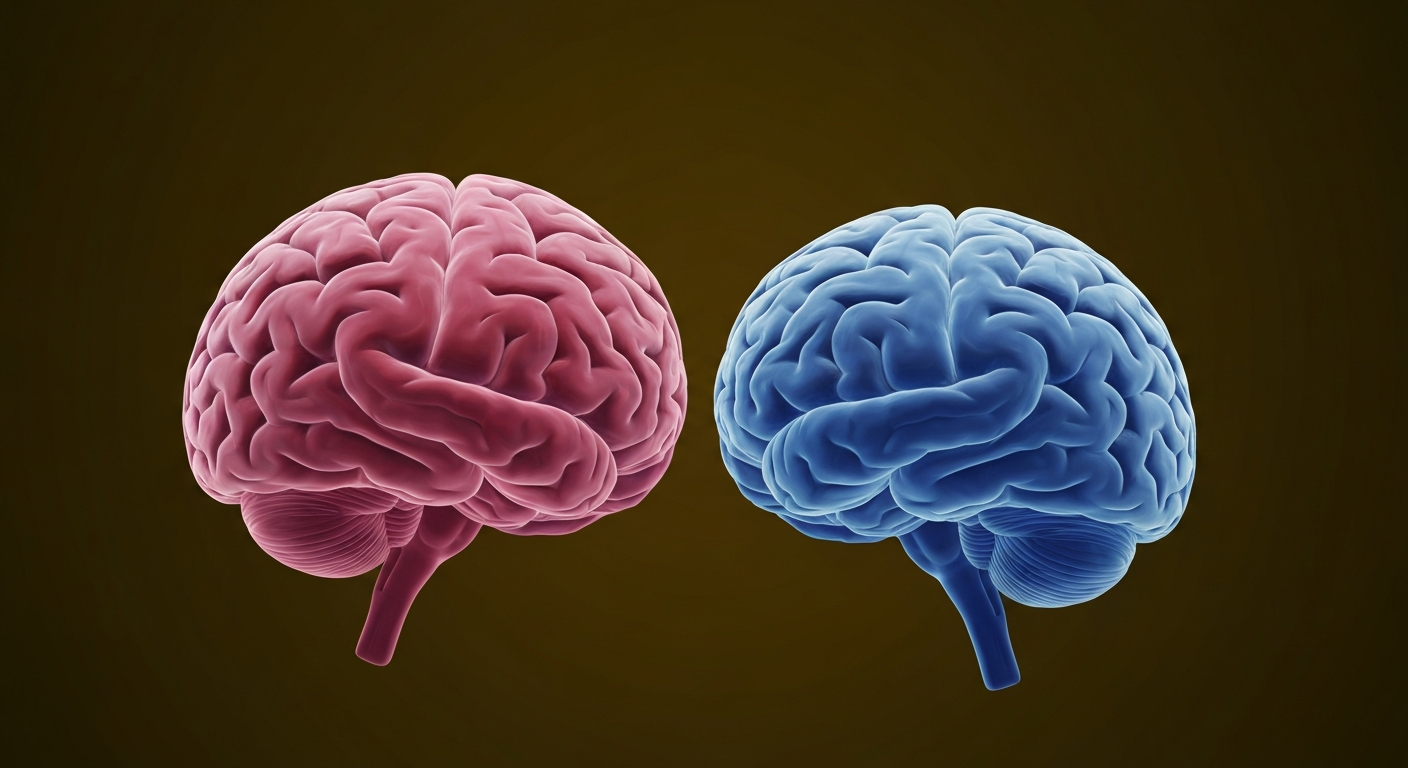 The study's findings on the limited effectiveness of medicinal cannabis for mental health conditions underscore the need for evidence-based treatments and comprehensive patient support.Today in Miami
A recent study has found no evidence that medicinal cannabis is effective in treating anxiety, depression, or PTSD. However, the research did uncover potential benefits for specific conditions like cannabis use disorder, autism, insomnia, and tic disorders. Experts emphasize the importance of context and support when considering medicinal cannabis use, as the risks of unintended consequences like psychotic symptoms and cannabis use disorder are high without proper medical or counseling support.
Why it matters
The study's findings challenge the widespread use of medicinal cannabis for mental health conditions and raise critical questions about balancing the potential benefits against the risks. It supports the Therapeutic Goods Administration (TGA) and clinicians in making informed choices to ensure patients receive effective treatments while minimizing harm from ineffective or unsafe cannabis products.
The details
The recent study on medicinal cannabis and mental health was led by Dr. Jack Wilson. While the research found no evidence of the effectiveness of medicinal cannabis in treating anxiety, depression, or PTSD, it did uncover some potential benefits for specific conditions. The study suggested low-quality evidence of potential benefits for cannabis use disorder, autism, insomnia, and tic disorders. However, Dr. Wilson emphasizes the importance of context and support when considering medicinal cannabis use, as the risks of unintended consequences like psychotic symptoms and the development of cannabis use disorder are high without proper medical or counseling support.
- The recent study on medicinal cannabis and mental health was published in 2026.
The players
Dr. Jack Wilson
The lead author of the recent study on medicinal cannabis and mental health.
Therapeutic Goods Administration (TGA)
The Australian regulatory body that oversees the prescribing and dispensing of medicinal cannabis, and is reviewing its regulatory oversight in response to the study's findings.
Pharmacy Guild of Australia
A peak body that has raised concerns about the prescribing and dispensing of medicinal cannabis, which the TGA's review aims to address.
Australian Medical Association
A peak body that has raised concerns about the prescribing and dispensing of medicinal cannabis, which the TGA's review aims to address.
What they’re saying
“We must ensure patients receive effective treatments while minimizing harm from ineffective or unsafe cannabis products.”
— Dr. Jack Wilson, Lead author of the study
What’s next
The Therapeutic Goods Administration's review of regulatory oversight is a step in the right direction, as it aims to address the prescribing and dispensing of medicinal cannabis to ensure its safe and effective use.
The takeaway
The study's findings challenge the widespread use of medicinal cannabis for mental health conditions and emphasize the need for evidence-based practices and comprehensive patient care. It serves as a reminder that the journey towards effective mental health treatments is complex and requires a nuanced understanding of the risks and benefits of medicinal cannabis.
Miami top stories


Miami events

Apr. 13, 2026
Stand Up Comedy Classes
Apr. 15, 2026
Whiplash In Concert
Apr. 16, 2026
Improv Acting 1 - Improv Scenework