- Today
- Holidays
- Birthdays
- Reminders
- Cities
- Atlanta
- Austin
- Baltimore
- Berwyn
- Beverly Hills
- Birmingham
- Boston
- Brooklyn
- Buffalo
- Charlotte
- Chicago
- Cincinnati
- Cleveland
- Columbus
- Dallas
- Denver
- Detroit
- Fort Worth
- Houston
- Indianapolis
- Knoxville
- Las Vegas
- Los Angeles
- Louisville
- Madison
- Memphis
- Miami
- Milwaukee
- Minneapolis
- Nashville
- New Orleans
- New York
- Omaha
- Orlando
- Philadelphia
- Phoenix
- Pittsburgh
- Portland
- Raleigh
- Richmond
- Rutherford
- Sacramento
- Salt Lake City
- San Antonio
- San Diego
- San Francisco
- San Jose
- Seattle
- Tampa
- Tucson
- Washington
Neuroscientist Lori Marino Leads Efforts to Establish Whale and Elephant Sanctuaries
Marino's work focuses on the cognitive complexities of cetaceans and elephants, challenging traditional views on animal captivity.
Apr. 11, 2026 at 6:27am
Got story updates? Submit your updates here. ›
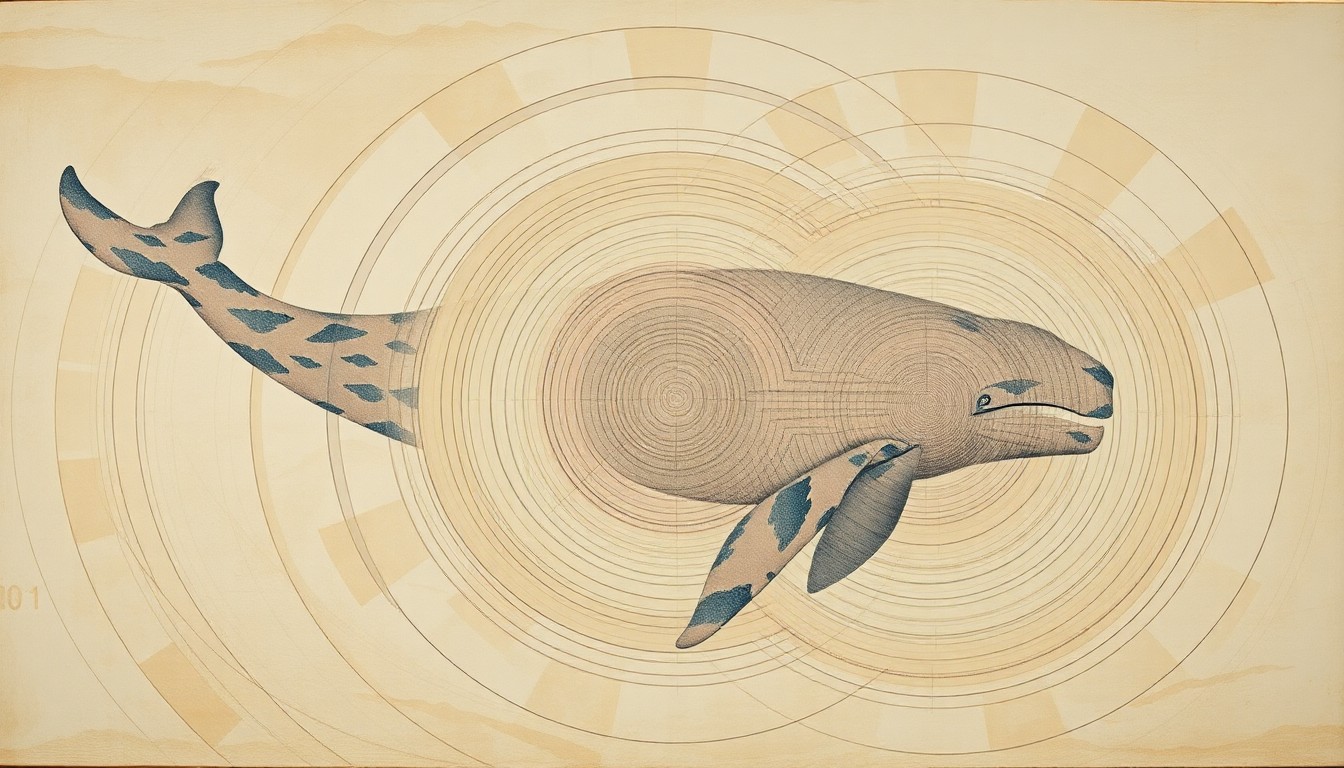 Marino's groundbreaking research on the cognitive abilities of whales and elephants has inspired a new era of compassionate animal advocacy.Today in Miami
Dr. Lori Marino, a neuroscientist and founder of the Whale Sanctuary Project, has dedicated her career to understanding and improving the lives of animals globally. Through her research, she has explored how confinement in zoos and aquariums can harm the brains of cetaceans and elephants, and she has worked to establish what is described as the 'gold standard' for large marine sanctuaries to provide a more natural environment for these animals.
Why it matters
Marino's work aligns with a broader cultural shift in the marine entertainment industry, as the 2013 film 'Blackfish' significantly impacted public perception of the extreme stress that captive whales experience. Her advocacy extends beyond marine mammals to elephants as well, highlighting the similar suffering these animals face in captivity.
The details
Marino is a founder of the Whale Sanctuary Project, which involves complex logistical and legal work to coordinate with government agencies and manage site development for these large marine sanctuaries. The project has also seen collaborations with non-profit organizations and commercial entities, such as the Miami Seaquarium, regarding the relocation of captive whales and belugas. In addition to her work on animal welfare, Marino has engaged in paleontological research, discussing discoveries regarding archeocetes, the ancestral animals known as ancient whales.
- Marino has explored the impact of animal captivity on cognition through a series of webinars and conversations.
- The 2013 film 'Blackfish' significantly impacted the marine entertainment industry by revealing the extreme stress that captive whales experience.
The players
Dr. Lori Marino
A neuroscientist and the founder of the Whale Sanctuary Project, who has dedicated her career to understanding and improving the lives of animals globally.
Whale Sanctuary Project
An organization founded by Marino that aims to establish what is described as the 'gold standard' for large marine sanctuaries, providing a more natural environment for captive whales and other cetaceans.
The Kimmela Center for Animal Advocacy
An organization co-founded by Marino that focuses on the cognitive complexities of cetaceans and elephants, challenging traditional views on animal captivity.
Scott and Kat Blais
The founders of the Global Sanctuary for Elephants, who manage a 2,800-acre sanctuary in Brazil and have collaborated with Marino on issues related to elephant welfare.
Dr. Mark Uhen
A paleontologist who has collaborated with Marino on research regarding archeocetes, the ancestral animals known as ancient whales.
What’s next
Marino and her team at the Whale Sanctuary Project continue to work on securing permits and developing sites for new large marine sanctuaries, with the goal of providing a more natural and humane environment for captive whales and other cetaceans.
The takeaway
Marino's work highlights the importance of understanding the cognitive complexities of animals like cetaceans and elephants, and the need to move away from traditional captive environments that can cause significant psychological harm. Her advocacy efforts, including the establishment of large marine sanctuaries, represent a shift towards a more compassionate and scientifically-informed approach to animal welfare.
Miami top stories



Miami events

Apr. 11, 2026
Nu Deco Ensemble - Ages: 14+
Apr. 11, 2026
The BIG Show Improv Comedy Miami
Apr. 12, 2026
Paloma San Basilio - "Gracias Tour"