- Today
- Holidays
- Birthdays
- Reminders
- Cities
- Atlanta
- Austin
- Baltimore
- Berwyn
- Beverly Hills
- Birmingham
- Boston
- Brooklyn
- Buffalo
- Charlotte
- Chicago
- Cincinnati
- Cleveland
- Columbus
- Dallas
- Denver
- Detroit
- Fort Worth
- Houston
- Indianapolis
- Knoxville
- Las Vegas
- Los Angeles
- Louisville
- Madison
- Memphis
- Miami
- Milwaukee
- Minneapolis
- Nashville
- New Orleans
- New York
- Omaha
- Orlando
- Philadelphia
- Phoenix
- Pittsburgh
- Portland
- Raleigh
- Richmond
- Rutherford
- Sacramento
- Salt Lake City
- San Antonio
- San Diego
- San Francisco
- San Jose
- Seattle
- Tampa
- Tucson
- Washington
Metformin Unlocks Exercise Benefits for Prostate Cancer Patients
Study finds diabetes drug raises molecule linked to intense exercise, even without physical activity
Apr. 11, 2026 at 1:14pm
Got story updates? Submit your updates here. ›
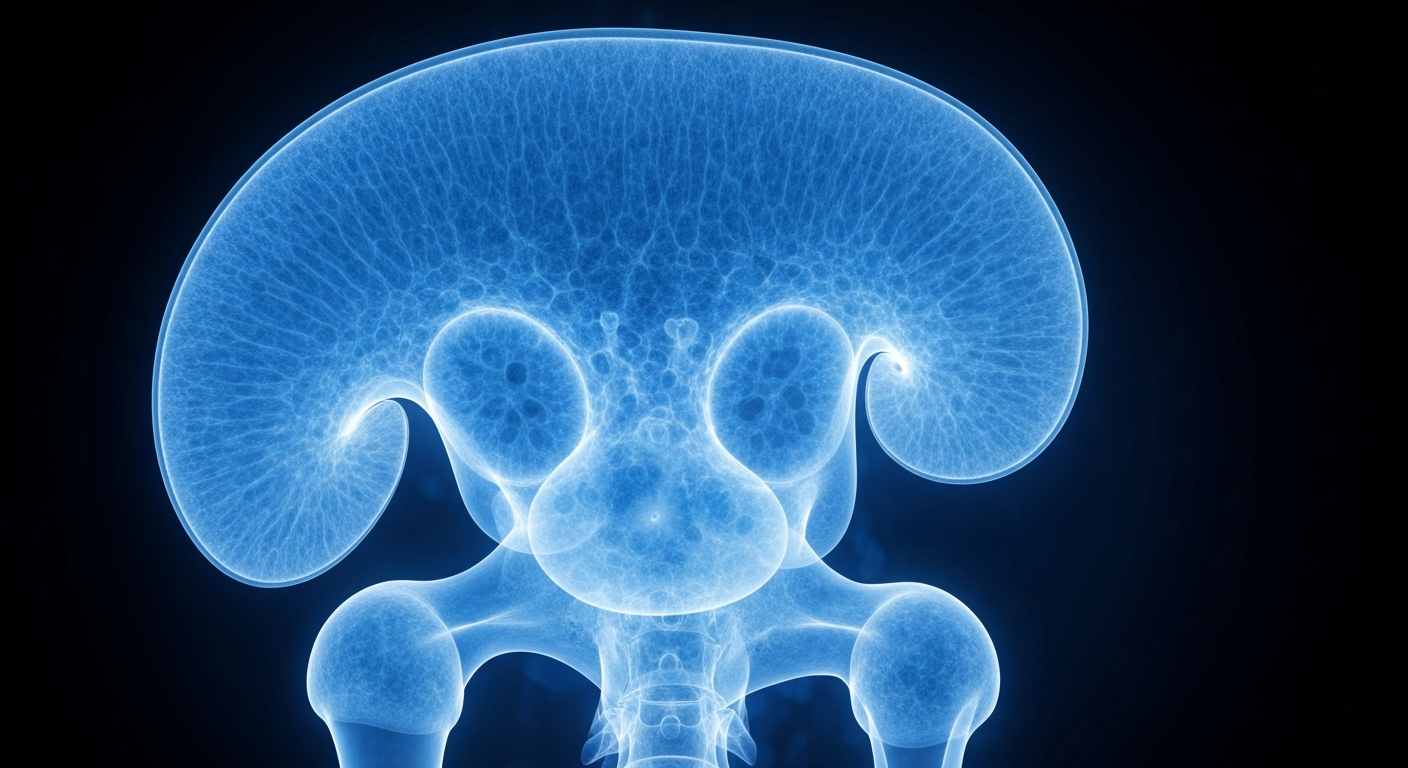 An X-ray-like image reveals the intricate metabolic processes within the prostate gland, offering insights into how metformin may support cancer patients' well-being.Today in Miami
A study led by researchers at Sylvester Comprehensive Cancer Center has found that the diabetes drug metformin can raise levels of a molecule called N-lactoyl-phenylalanine (Lac-Phe), which is typically associated with intense exercise. This effect persisted even in prostate cancer patients undergoing hormone therapy, which can disrupt metabolism and limit physical activity. The findings offer insights into how metformin may support metabolic health during cancer treatment.
Why it matters
Prostate cancer treatments like hormone therapy can lead to weight gain, insulin resistance, and cardiovascular risks by disrupting the body's metabolism. This study suggests metformin may help manage these side effects, even when physical activity is limited, by activating pathways typically associated with exercise.
The details
The research, published in EMBO Molecular Medicine, found that higher Lac-Phe levels in metformin-treated patients approximated those reported after strenuous exercise, despite limited physical activity. Lac-Phe is a molecule produced under metabolic demand that is linked to reduced appetite and improved weight control. However, the researchers note that Lac-Phe levels did not correlate with changes in prostate-specific antigen (PSA), indicating the metabolite reflects the body's management of energy and metabolism during treatment rather than a direct anti-tumor effect.
- The study was published on April 11, 2026.
The players
Sylvester Comprehensive Cancer Center
A National Cancer Institute-designated cancer center at the University of Miami Miller School of Medicine that focuses on cancer research, treatment, and education.
Marijo Bilusic, M.D., Ph.D.
A Sylvester researcher and the first author of the study.
David B. Lombard, M.D., Ph.D.
A Sylvester researcher who highlights the importance of metabolism in cellular processes and the potential of Lac-Phe as an informative signal.
What they’re saying
“The findings offer a fascinating insight into the internal pathways that underlie exercise's metabolic benefits and how these pathways might still be engaged when movement is limited.”
— Marijo Bilusic, Sylvester researcher and first author
“Lac-Phe may be a valuable signal for understanding how metformin affects metabolism in prostate cancer patients.”
— David B. Lombard, Sylvester researcher
What’s next
The researchers plan to further investigate the potential therapeutic benefits of metformin in supporting metabolic health for prostate cancer patients, particularly those with limited physical activity due to their treatments.
The takeaway
This study suggests metformin may help manage the metabolic side effects of prostate cancer treatments, such as weight gain and insulin resistance, by activating pathways typically associated with exercise, even when physical activity is limited. The findings highlight the importance of understanding the metabolic effects of cancer therapies and exploring pharmacological interventions that can support patient well-being during their cancer journey.
Miami top stories



Miami events

Apr. 11, 2026
Nu Deco Ensemble - Ages: 14+
Apr. 11, 2026
The BIG Show Improv Comedy Miami
Apr. 12, 2026
Paloma San Basilio - "Gracias Tour"