- Today
- Holidays
- Birthdays
- Reminders
- Cities
- Atlanta
- Austin
- Baltimore
- Berwyn
- Beverly Hills
- Birmingham
- Boston
- Brooklyn
- Buffalo
- Charlotte
- Chicago
- Cincinnati
- Cleveland
- Columbus
- Dallas
- Denver
- Detroit
- Fort Worth
- Houston
- Indianapolis
- Knoxville
- Las Vegas
- Los Angeles
- Louisville
- Madison
- Memphis
- Miami
- Milwaukee
- Minneapolis
- Nashville
- New Orleans
- New York
- Omaha
- Orlando
- Philadelphia
- Phoenix
- Pittsburgh
- Portland
- Raleigh
- Richmond
- Rutherford
- Sacramento
- Salt Lake City
- San Antonio
- San Diego
- San Francisco
- San Jose
- Seattle
- Tampa
- Tucson
- Washington
Former DEA Agent Reveals Harrowing Takedown of Cali Cartel Kingpins
Chris Feistl and partner Dave Mitchell embedded themselves in Colombia's corrupt police force to bring down the notorious drug lords.
Apr. 5, 2026 at 10:08am
Got story updates? Submit your updates here. ›
Chris Feistl, a former DEA agent, recounts his harrowing experiences working undercover in Colombia in the 1990s to take down the leaders of the Cali Cartel, one of the world's most powerful drug trafficking organizations at the time. Feistl and his partner Dave Mitchell had to navigate rampant corruption within the Colombian National Police and constantly evade the cartel's surveillance and assassination attempts as they worked to arrest the four 'Cali Godfathers' - Gilberto Rodriguez Orejuela, Miguel Rodríguez Orejuela, Jose Santacruz Londono and Helmer Herrera.
Why it matters
The Cali Cartel's reign in the 1990s represented the height of Colombia's drug war, a period marked by extreme violence, corruption, and the globalization of the cocaine trade. Feistl's firsthand account sheds light on the dangerous and high-stakes operations required to take down these powerful criminal organizations, and the challenges faced by law enforcement in a country where the cartels had deeply infiltrated the government and security forces.
The details
Feistl and Mitchell were embedded with a specially vetted unit of the Colombian National Police, as the regular Search Bloc was heavily compromised by cartel corruption. They had to constantly evade the cartel's surveillance and assassination attempts, often meeting with informants in remote locations. The duo eventually developed key sources within the cartel who provided information that led to the arrest of Gilberto Rodriguez Orejuela, the 'chess player' of the organization. Rewards offered for information on the cartel leaders also helped bring more sources to the table. However, Feistl and Mitchell's lives were constantly in danger, as the cartel would quickly learn of any operations and try to identify and eliminate their informants.
- Feistl was first moved to Bogota, Colombia in 1994, just a year after the death of Pablo Escobar.
- In 1995, the DEA finally put out rewards for the capture of the four Cali Cartel leaders, ranging from $625,000 to $1.875 million.
- Feistl and Mitchell were able to arrest Gilberto Rodriguez Orejuela within a week of surveilling one of his executive assistants.
The players
Chris Feistl
A top DEA agent who was part of the team that took down the leaders of the Cali Cartel in Colombia in the 1990s. He had long, surfer-style blonde hair that made him easily identifiable as an American.
Dave Mitchell
Feistl's DEA partner, described as 6'3" and built like an NFL tight end.
Gilberto Rodriguez Orejuela
The leader of the Cali Cartel, known as the 'chess player' for his strategic thinking.
Miguel Rodríguez Orejuela
Gilberto's younger brother and another leader of the Cali Cartel.
Jose Santacruz Londono
One of the four 'Cali Godfathers' who led the Cali Cartel.
Helmer Herrera
Another of the four 'Cali Godfathers' who led the cartel.
What they’re saying
“When I got to Colombia, it was the major leagues and it was a crazy time to be involved.”
— Chris Feistl, Former DEA Agent
“Gilberto was called the chess player as he was always thinking two or three steps ahead, and he nailed this one, because their future really did lie in cocaine.”
— Chris Feistl, Former DEA Agent
“Corruption was so systemic in that Search Bloc that we had to start working on our own. We had to get away from the police base we were staying at and move to a safe house.”
— Chris Feistl, Former DEA Agent
What’s next
The DEA's successful takedown of the Cali Cartel leaders in the 1990s represented a major blow to the global cocaine trade, but the drug war in Colombia continued with new cartels and criminal groups emerging to fill the void. Ongoing efforts by law enforcement and the Colombian government to combat the narcotics trade and corruption remain a critical priority.
The takeaway
Feistl's account highlights the extreme dangers and challenges faced by law enforcement when taking on powerful, deeply entrenched drug cartels like the Cali Cartel, which had thoroughly infiltrated the Colombian government and security forces. The story underscores the importance of developing trusted informants, maintaining operational security, and the need for sustained, coordinated efforts to dismantle these sophisticated criminal organizations.
Miami top stories



Miami events
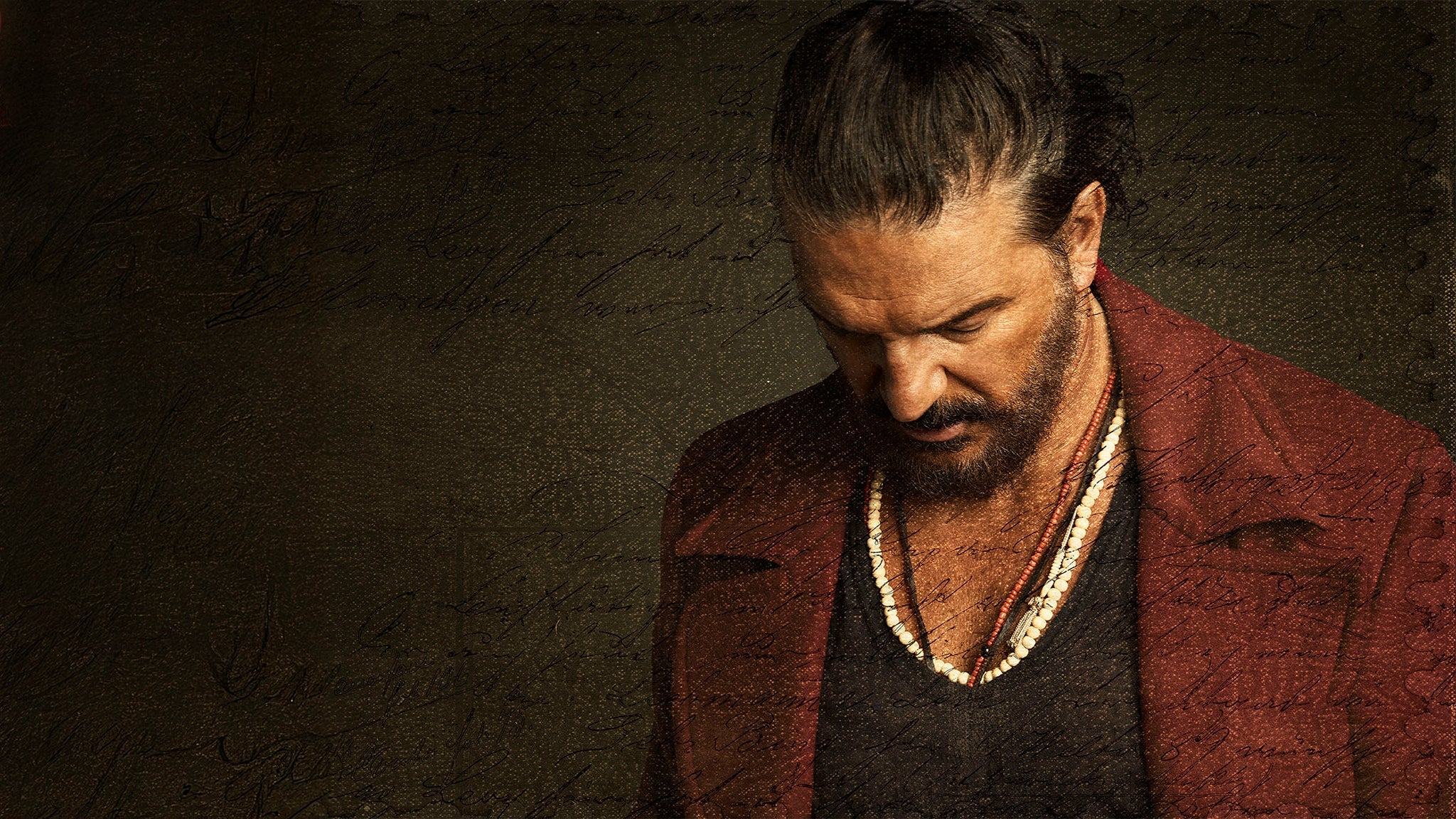
Apr. 5, 2026
RICARDO ARJONA: Lo que el SECO no dijo Tour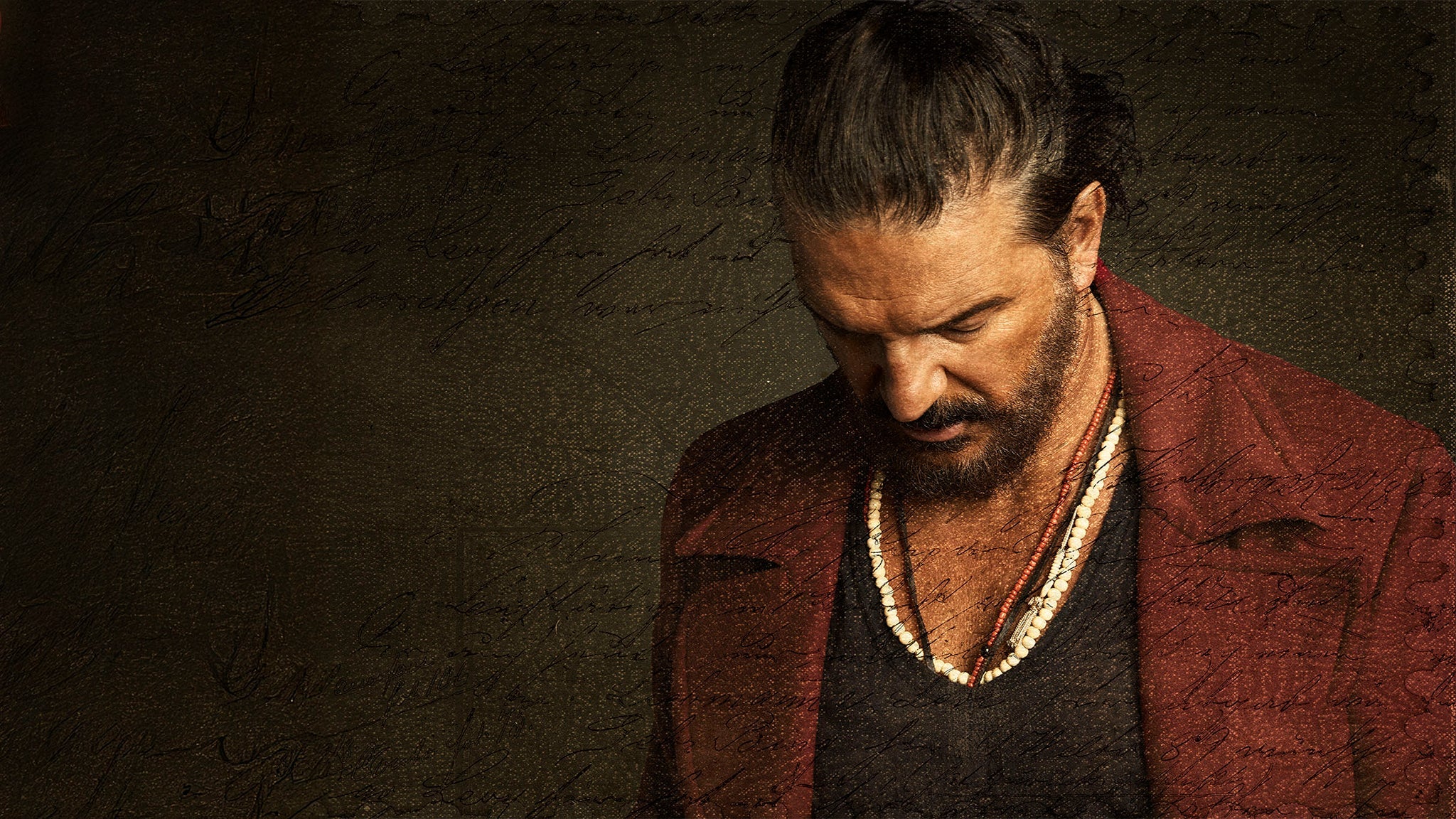
Apr. 6, 2026
RICARDO ARJONA: Lo que el SECO no dijo Tour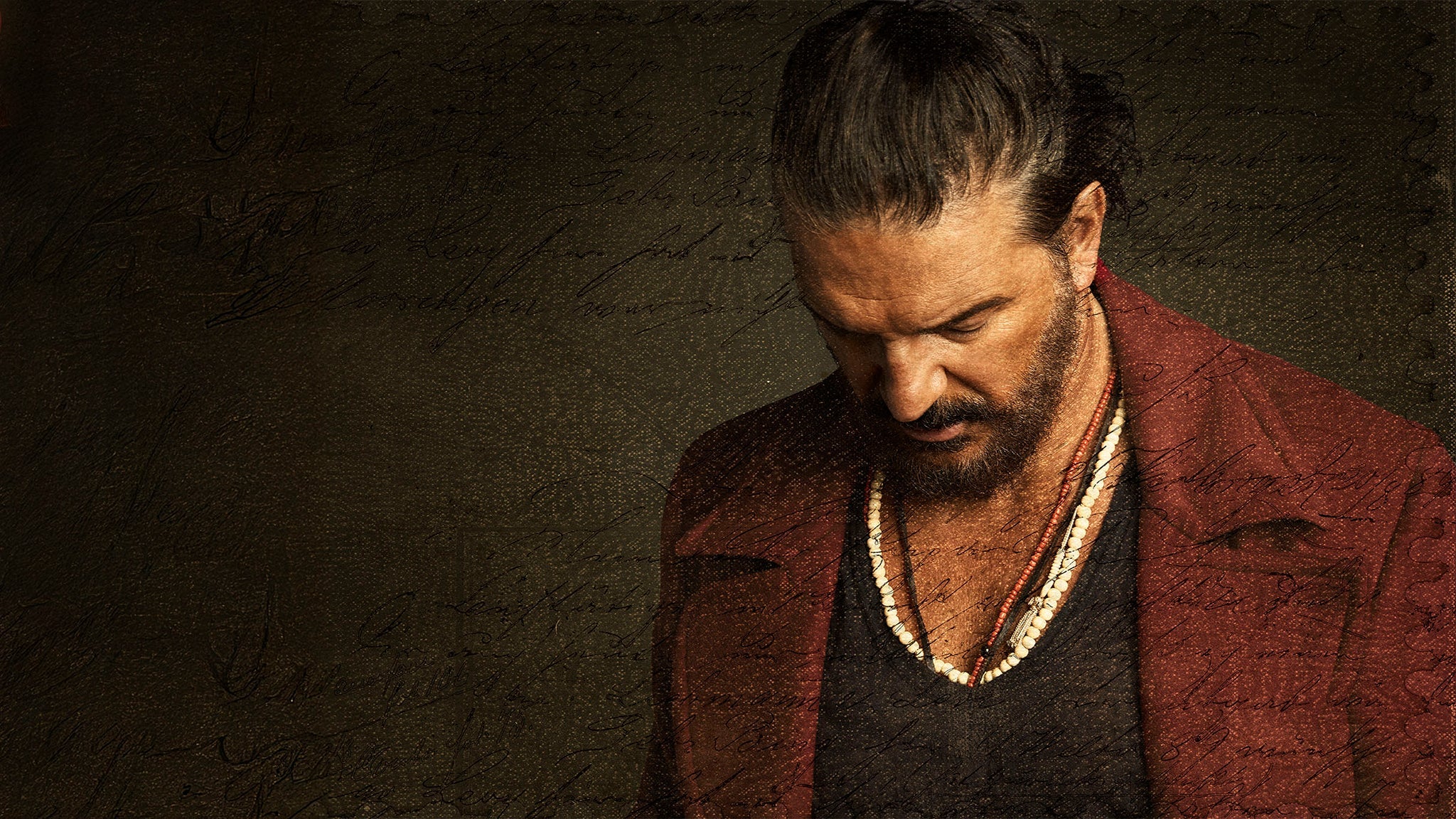
Apr. 7, 2026
RICARDO ARJONA: Lo que el SECO no dijo Tour