- Today
- Holidays
- Birthdays
- Reminders
- Cities
- Atlanta
- Austin
- Baltimore
- Berwyn
- Beverly Hills
- Birmingham
- Boston
- Brooklyn
- Buffalo
- Charlotte
- Chicago
- Cincinnati
- Cleveland
- Columbus
- Dallas
- Denver
- Detroit
- Fort Worth
- Houston
- Indianapolis
- Knoxville
- Las Vegas
- Los Angeles
- Louisville
- Madison
- Memphis
- Miami
- Milwaukee
- Minneapolis
- Nashville
- New Orleans
- New York
- Omaha
- Orlando
- Philadelphia
- Phoenix
- Pittsburgh
- Portland
- Raleigh
- Richmond
- Rutherford
- Sacramento
- Salt Lake City
- San Antonio
- San Diego
- San Francisco
- San Jose
- Seattle
- Tampa
- Tucson
- Washington
OnlyFans Model Accuses Influencer of Unauthorized Image Use
Blake claims her body was used without consent in a social media post by Elizabeth.
Apr. 2, 2026 at 2:10pm
Got story updates? Submit your updates here. ›
An OnlyFans model named Blake has accused a white social media influencer named Elizabeth of superimposing Blake's face onto her own body in a photo taken at the 2024 US Open tennis tournament in New York. The image was then incorrectly tagged as being from the recent Miami Open.
Why it matters
This case highlights ongoing issues around the unauthorized use of people's likenesses, especially marginalized individuals, for social media gain. It raises questions about consent, privacy, and the power dynamics between influencers and models in the digital age.
The details
According to reports, Blake discovered the doctored photo on Elizabeth's Instagram account, where it was tagged as being taken at the Miami Open last week. However, Blake claims the photo was actually from the 2024 US Open in New York, and that her face had been superimposed onto Elizabeth's body without her knowledge or consent.
- The photo in question was posted on Elizabeth's Instagram account last week.
- The original photo was taken at the 2024 US Open in New York.
The players
Blake
An OnlyFans model who has accused a white social media influencer of using her likeness without permission.
Elizabeth
A white social media influencer who allegedly superimposed Blake's face onto her own body in a photo and posted it online.
What they’re saying
“I was shocked and outraged to see my face on someone else's body, especially without my consent. This is a clear violation of my privacy and rights.”
— Blake, OnlyFans Model
What’s next
Blake has stated she plans to take legal action against Elizabeth for the unauthorized use of her image.
The takeaway
This incident highlights the ongoing challenges around consent, privacy, and the power dynamics between influencers and marginalized individuals in the social media age, as well as the need for stronger protections against the unauthorized use of people's likenesses.
Miami top stories


Miami events
Apr. 2, 2026
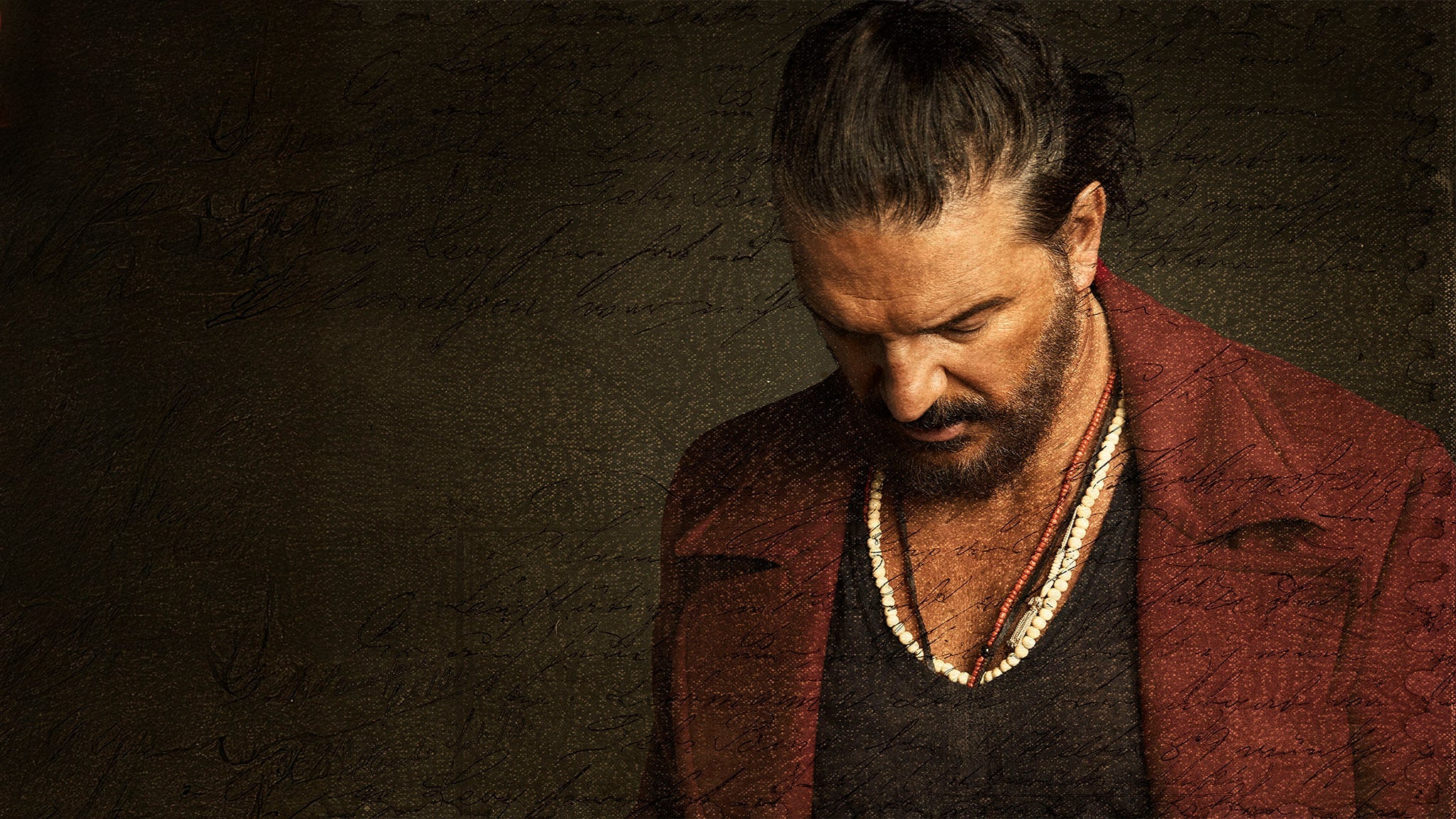
RICARDO ARJONA: Lo que el SECO no dijo Tour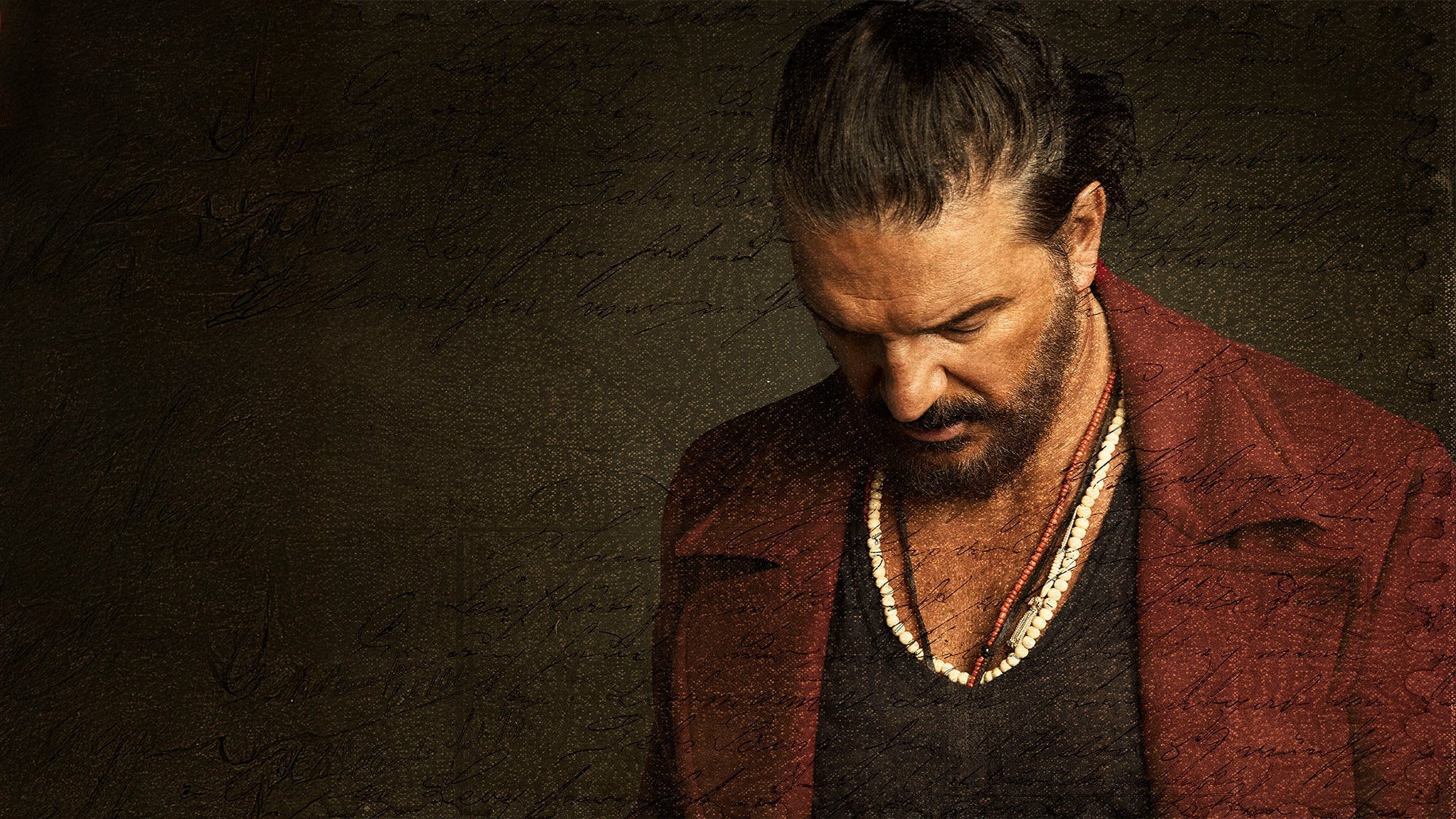
Apr. 3, 2026
RICARDO ARJONA: Lo que el SECO no dijo Tour