- Today
- Holidays
- Birthdays
- Reminders
- Cities
- Atlanta
- Austin
- Baltimore
- Berwyn
- Beverly Hills
- Birmingham
- Boston
- Brooklyn
- Buffalo
- Charlotte
- Chicago
- Cincinnati
- Cleveland
- Columbus
- Dallas
- Denver
- Detroit
- Fort Worth
- Houston
- Indianapolis
- Knoxville
- Las Vegas
- Los Angeles
- Louisville
- Madison
- Memphis
- Miami
- Milwaukee
- Minneapolis
- Nashville
- New Orleans
- New York
- Omaha
- Orlando
- Philadelphia
- Phoenix
- Pittsburgh
- Portland
- Raleigh
- Richmond
- Rutherford
- Sacramento
- Salt Lake City
- San Antonio
- San Diego
- San Francisco
- San Jose
- Seattle
- Tampa
- Tucson
- Washington
Trump Officials Born to Immigrant Parents Highlight Birthright Citizenship Debate
Several prominent figures who have served in Trump's administration were themselves born to immigrant parents.
Apr. 1, 2026 at 8:53pm
Got story updates? Submit your updates here. ›
As President Donald Trump pushes to narrow the scope of birthright citizenship, a Newsweek investigation has revealed that several prominent figures who have served in Trump's own administration and inner political circle are themselves born to immigrant parents. This includes officials like Secretary of State Marco Rubio, FBI Director Kash Patel, and former UN Ambassador Nikki Haley. The issue is now before the Supreme Court, which could reshape immigration law and redefine who qualifies as an American at birth.
Why it matters
According to the Pew Research Center, there are 1.2 million U.S. citizens who were born to unauthorized immigrant parents. If the 14th Amendment's birthright citizenship clause were to be changed, various people in Trump's inner circle would not have gained U.S. citizenship, including Marco Rubio, who now serves as the Secretary of State. This highlights the personal and political stakes involved in the Supreme Court case.
The details
Trump has long argued that the 14th Amendment's Citizenship Clause has been misinterpreted and that children born in the U.S. to undocumented immigrants or temporary visa holders should not automatically receive citizenship. However, Newsweek's investigation found that several Trump officials and allies were themselves born to immigrant parents, including Marco Rubio, Kash Patel, Lori Chavez-DeRemer, Nikki Haley, Ajit Pai, Seema Verma, and Elaine Chao.
- In January 2023, Trump signed an executive order to end birthright citizenship.
- The Supreme Court is currently considering challenges to Trump's executive order restricting birthright citizenship.
- The Supreme Court heard opening arguments in the birthright citizenship case on Wednesday, with Trump in attendance.
The players
Marco Rubio
The current Secretary of State, Rubio was born in Florida to Cuban immigrant parents who arrived in the United States in the 1950s.
Kash Patel
The current director of the FBI, Patel was born in New York to Indian immigrant parents, making him a U.S. citizen by birth under the 14th Amendment's birthright citizenship clause.
Lori Chavez-DeRemer
The Secretary of Labor, Chavez-DeRemer is U.S.-born and has immigrant lineage through her father's family.
Nikki Haley
The former U.S. ambassador to the United Nations, Haley was born in 1972 in South Carolina to Indian immigrant parents.
Donald Trump
The former president who is pushing to narrow the scope of birthright citizenship and attended the Supreme Court's opening arguments in the case.
What they’re saying
“Denying citizenship to U.S.-born children is not only unconstitutional — it's also a reckless and ruthless repudiation of American values. Birthright citizenship is part of what makes the United States the strong and dynamic nation that it is. This order seeks to repeat one of the gravest errors in American history, by creating a permanent subclass of people born in the U.S. who are denied full rights as Americans.”
— Anthony D. Romero, Executive Director, American Civil Liberties Union
“On Day One of my new term in office, I will sign an executive order making clear to federal agencies that under the correct interpretation of the law, going forward, the future children of illegal immigrants will not receive automatic U.S. citizenship.”
— Donald Trump
What’s next
The Supreme Court is expected to rule later this year on whether Trump's executive order restricting birthright citizenship is constitutional. Until a final ruling is issued, birthright citizenship remains unchanged, but the outcome could reshape immigration law and redefine who qualifies as an American at birth.
The takeaway
The presence of Trump officials and allies born to immigrant parents in the debate over birthright citizenship highlights the personal and political stakes involved. The Supreme Court's ruling could have far-reaching implications for everyday citizens and Americans in political office alike.
Miami top stories

Miami events
Apr. 2, 2026
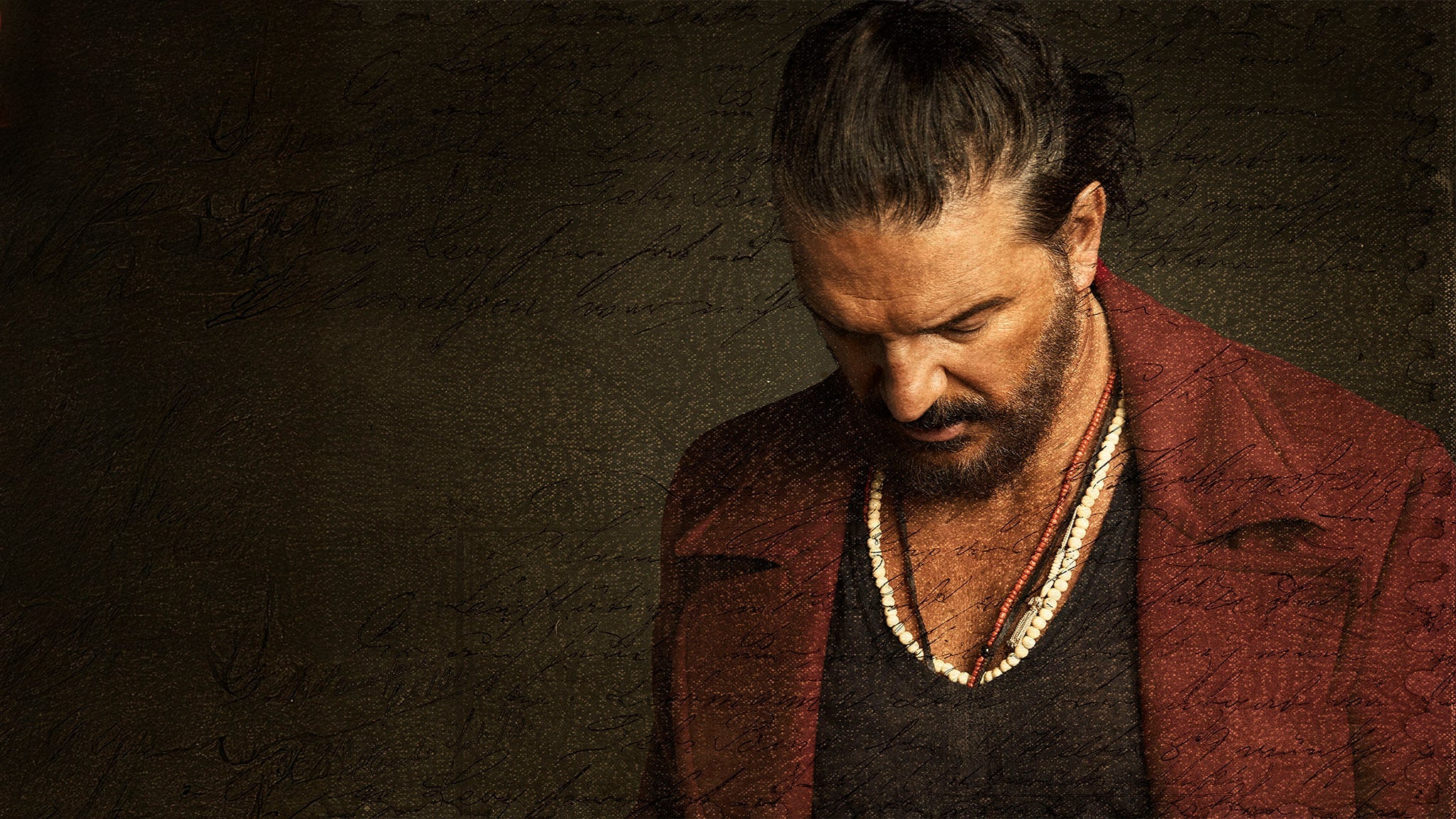
RICARDO ARJONA: Lo que el SECO no dijo Tour
Apr. 3, 2026
RICARDO ARJONA: Lo que el SECO no dijo Tour