- Today
- Holidays
- Birthdays
- Reminders
- Cities
- Atlanta
- Austin
- Baltimore
- Berwyn
- Beverly Hills
- Birmingham
- Boston
- Brooklyn
- Buffalo
- Charlotte
- Chicago
- Cincinnati
- Cleveland
- Columbus
- Dallas
- Denver
- Detroit
- Fort Worth
- Houston
- Indianapolis
- Knoxville
- Las Vegas
- Los Angeles
- Louisville
- Madison
- Memphis
- Miami
- Milwaukee
- Minneapolis
- Nashville
- New Orleans
- New York
- Omaha
- Orlando
- Philadelphia
- Phoenix
- Pittsburgh
- Portland
- Raleigh
- Richmond
- Rutherford
- Sacramento
- Salt Lake City
- San Antonio
- San Diego
- San Francisco
- San Jose
- Seattle
- Tampa
- Tucson
- Washington
Daylight Saving Time Shift Can Disrupt Health and Safety
Researchers say the one-hour clock change can affect sleep, heart health, migraines, and accident risk.
Mar. 8, 2026 at 2:56pm
Got story updates? Submit your updates here. ›
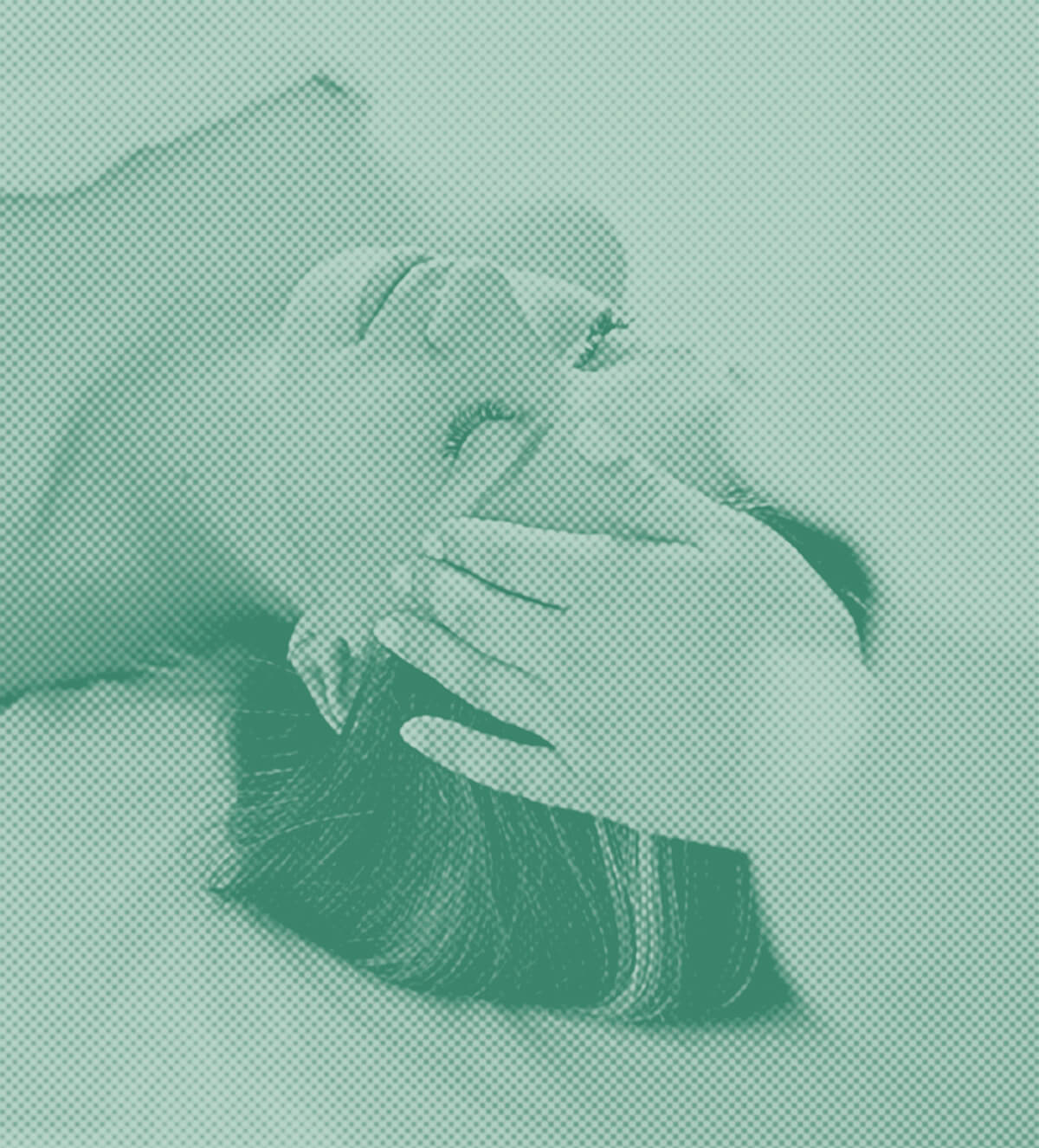
Daylight saving time returned on Sunday, March 8, 2026, causing many Americans to lose an hour of sleep. Health experts say the sudden time shift can disrupt circadian rhythms and have negative impacts on physical and mental health, including increased risk of heart attacks, strokes, migraines, and accidents.
Why it matters
The biannual clock changes have long been debated, with some research suggesting permanent standard time or permanent daylight saving time could be healthier options than the current system of switching twice a year. Understanding the health effects can help people better prepare for and mitigate the impacts of the time change.
The details
The loss of an hour's sleep from the clock shift can make it harder to fall asleep at the usual bedtime, reducing overall sleep and disrupting the body's internal circadian clock. This has been linked to increased risks of cardiovascular disease, obesity, diabetes, depression, and motor vehicle crashes. Researchers have observed spikes in heart attacks and strokes in the days after clocks move forward. The time change may also trigger more migraines and reduce deep sleep. Workplace injuries can also rise, especially in physically demanding jobs.
- Daylight saving time returned on Sunday, March 8, 2026.
The players
Adam Spira
A sleep researcher at the Johns Hopkins Bloomberg School of Public Health.
Maria Delgado-Lelievre
A volunteer expert with the American Heart Association and hypertension specialist at the University of Miami.
Sasikanth Gorantla
A neurologist at UC Davis Health who led a study on the impact of the time change on migraines.
Jamie Zeitzer
A professor of psychiatry and behavioral sciences at Stanford who studied the health impacts of different time policies.
What they’re saying
“We don't really know exactly why there is an increase in heart attacks and strokes during the change to daylight saving time. It's likely connected with the disruption to the body's internal clock, or its circadian rhythm.”
— Maria Delgado-Lelievre, Volunteer expert, American Heart Association; hypertension specialist, University of Miami
“Our findings show that even a small disruption to the body's internal clock can have an impact on people living with migraines. The increase in migraines and drop in deep sleep after the springtime change suggest that circadian stability is essential for migraine management.”
— Sasikanth Gorantla, Neurologist, UC Davis Health
“We found that staying in standard time or staying in daylight saving time is definitely better than switching twice a year.”
— Jamie Zeitzer, Professor of psychiatry and behavioral sciences, Stanford
What’s next
Researchers continue to study the long-term health impacts of different time policies, with some suggesting permanent standard time or permanent daylight saving time could be healthier options than the current biannual clock changes.
The takeaway
The one-hour shift from daylight saving time can have significant short-term effects on health and safety, including increased risks of heart attacks, strokes, migraines, and accidents. While most people adapt within a week, the disruption to circadian rhythms highlights the importance of prioritizing sleep and light exposure during the transition.
Miami top stories


Miami events
Mar. 30, 2026
Miami Heat vs. Philadelphia 76ers
Mar. 30, 2026
Miami Marlins vs. Chicago White Sox