- Today
- Holidays
- Birthdays
- Reminders
- Cities
- Atlanta
- Austin
- Baltimore
- Berwyn
- Beverly Hills
- Birmingham
- Boston
- Brooklyn
- Buffalo
- Charlotte
- Chicago
- Cincinnati
- Cleveland
- Columbus
- Dallas
- Denver
- Detroit
- Fort Worth
- Houston
- Indianapolis
- Knoxville
- Las Vegas
- Los Angeles
- Louisville
- Madison
- Memphis
- Miami
- Milwaukee
- Minneapolis
- Nashville
- New Orleans
- New York
- Omaha
- Orlando
- Philadelphia
- Phoenix
- Pittsburgh
- Portland
- Raleigh
- Richmond
- Rutherford
- Sacramento
- Salt Lake City
- San Antonio
- San Diego
- San Francisco
- San Jose
- Seattle
- Tampa
- Tucson
- Washington
Florida's Baker Act Allows Involuntary Mental Health Holds
The law permits certain professionals to detain people for up to 72 hours if they are deemed a threat to themselves or others.
Apr. 6, 2026 at 5:53pm
Got story updates? Submit your updates here. ›
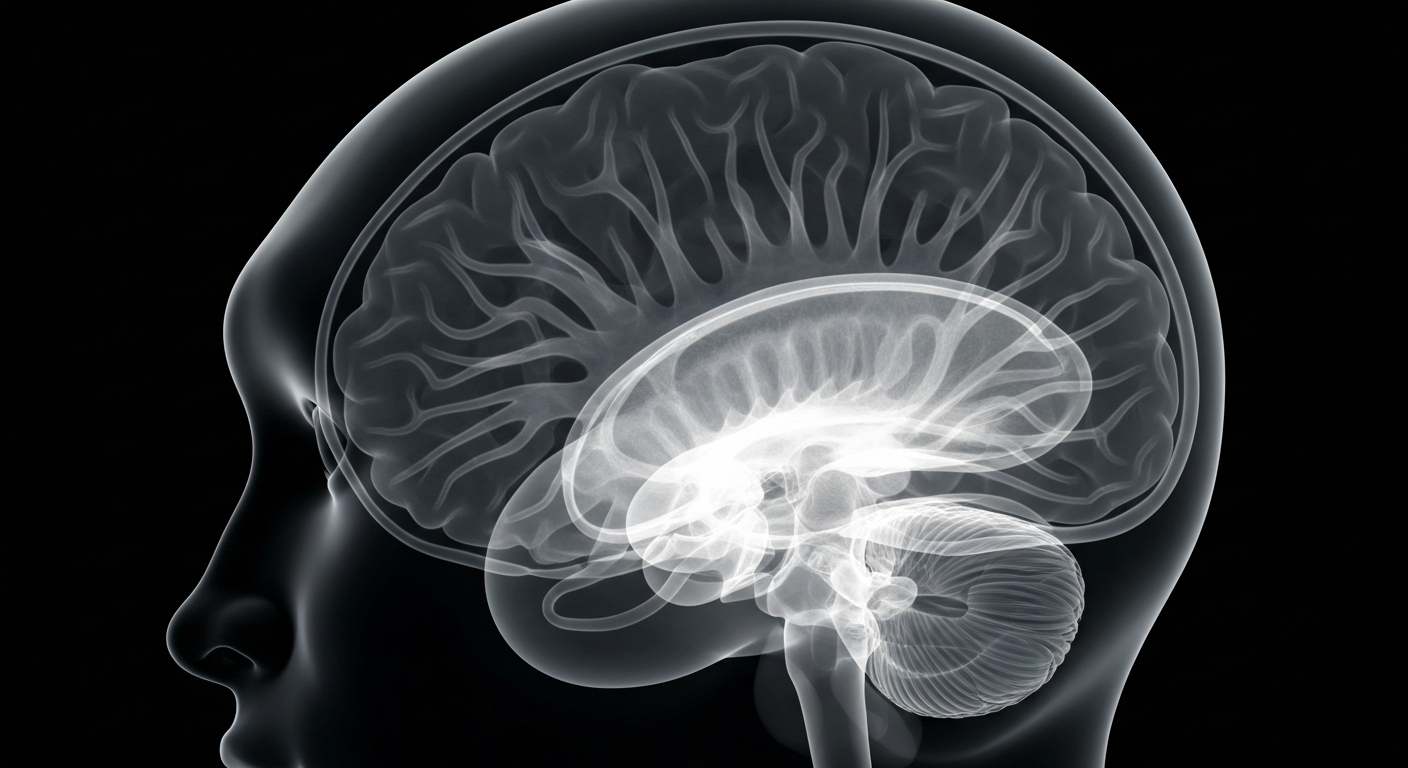 An X-ray view of the human brain under mental duress, highlighting the need for better mental health resources and support in Florida.Lakeland Today
Florida's Baker Act allows for the involuntary commitment of individuals experiencing a mental health crisis for up to 72 hours. To be Baker Acted, a person must be believed to have a mental illness, refuse voluntary examination, and be likely to harm themselves or others. The number of people Baker Acted in Florida has significantly increased over the past two decades, raising concerns about its overuse, especially for children.
Why it matters
The Baker Act is intended to help people in crisis, but critics argue it is overused as a way to institutionalize people who may not need intensive inpatient care. There are concerns about the lack of supportive aftercare and the high number of people who are recommitted multiple times in the same year.
The details
The Baker Act, officially called the Florida Mental Health Act, allows certain professionals, such as law enforcement officers, judges, doctors, school officials, and mental health practitioners, to detain and involuntarily commit people to an approved mental health facility for up to 72 hours under certain conditions. People who are involuntarily committed must be evaluated promptly and may receive emergency treatment if a physician deems it necessary for the patient's safety or the safety of others.
- The Baker Act went into effect in 1972 after being passed by Florida lawmakers in 1971.
- From July 12, 2025, to April 5, 2026, an estimated 88,660 people received 120,955 involuntary examinations under the Baker Act.
- In 2001-2002, there were 95,574 people Baker Acted, compared to 210,992 in 2018-2019, a 121% increase.
The players
Maxine Baker
The former State Representative from Miami who sponsored the bill that created the Florida Mental Health Act, which became known as the Baker Act.
Florida Department of Children and Families
The state agency that provided data on the number of people involuntarily examined under the Baker Act.
University of Florida Levin College of Law
Produced a 2023 report on the high rate of children being Baker Acted in Florida compared to other states.
University of South Florida Baker Act Reporting Center
Tracks and reports on the increasing number of Baker Act examinations in Florida over the years.
What’s next
Lawmakers and mental health advocates in Florida are likely to continue examining the use and potential overuse of the Baker Act, particularly when it comes to children and the elderly, to ensure the law is being applied appropriately and that there are adequate support services available for those in crisis.
The takeaway
The Baker Act is a controversial law in Florida that allows for the involuntary commitment of individuals experiencing a mental health crisis, but its increasing use, especially for vulnerable populations like children, has raised concerns about whether it is being applied judiciously and if there are enough resources available to properly support those who are detained.