- Today
- Holidays
- Birthdays
- Reminders
- Cities
- Atlanta
- Austin
- Baltimore
- Berwyn
- Beverly Hills
- Birmingham
- Boston
- Brooklyn
- Buffalo
- Charlotte
- Chicago
- Cincinnati
- Cleveland
- Columbus
- Dallas
- Denver
- Detroit
- Fort Worth
- Houston
- Indianapolis
- Knoxville
- Las Vegas
- Los Angeles
- Louisville
- Madison
- Memphis
- Miami
- Milwaukee
- Minneapolis
- Nashville
- New Orleans
- New York
- Omaha
- Orlando
- Philadelphia
- Phoenix
- Pittsburgh
- Portland
- Raleigh
- Richmond
- Rutherford
- Sacramento
- Salt Lake City
- San Antonio
- San Diego
- San Francisco
- San Jose
- Seattle
- Tampa
- Tucson
- Washington
Buzzing Beverages: BuzzBallz Take Gen Z by Storm
The high-alcohol, brightly colored drinks are a hit with young drinkers, raising concerns about marketing and responsible consumption.
Apr. 11, 2026 at 5:25pm
Got story updates? Submit your updates here. ›
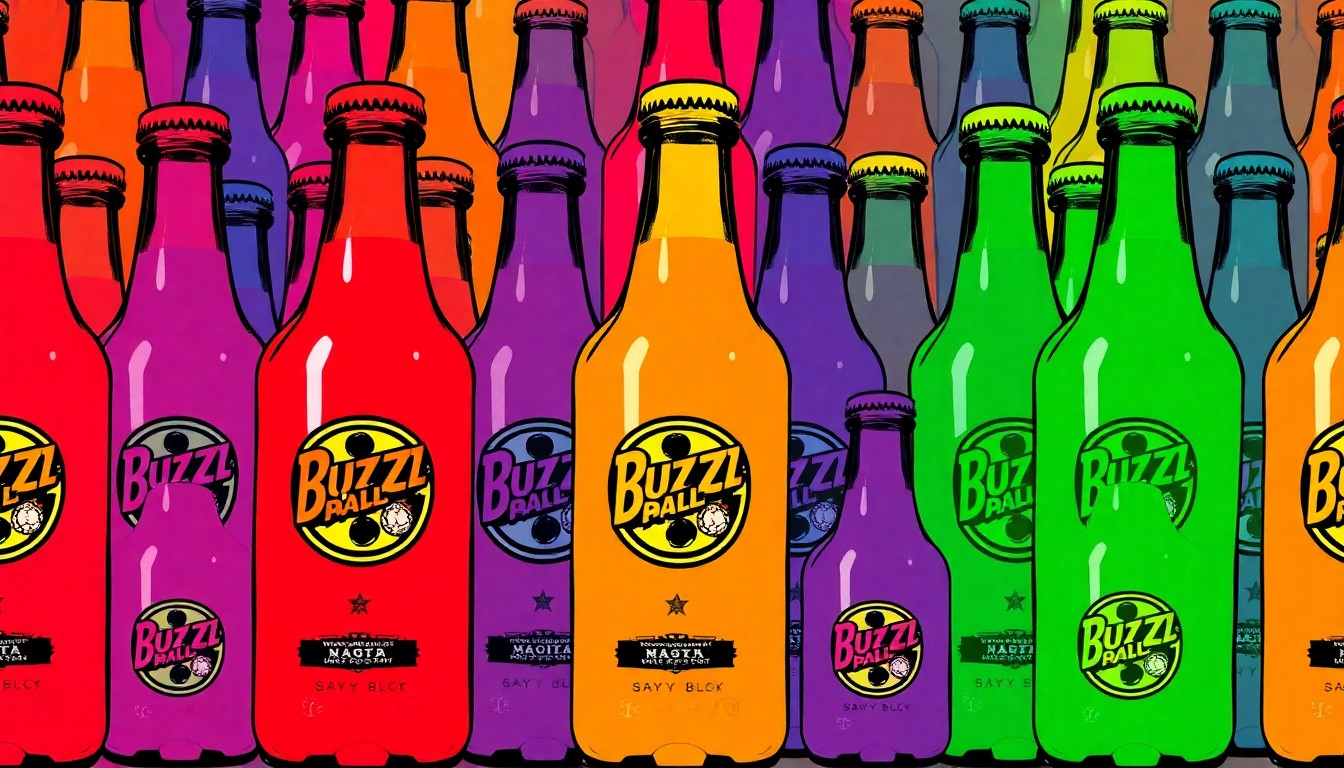 The fluorescent, high-alcohol BuzzBallz drinks have become a ubiquitous presence at college parties and convenience stores, raising concerns about their appeal to underage drinkers.Gainesville Today
BuzzBallz, a line of hard drinks sold in bottles resembling phosphorescent billiard balls, have become increasingly popular among Generation Z, with their high alcohol content, sweet flavors, and eye-catching packaging. The brand was acquired by Sazerac in 2024 and is now ubiquitous at college parties and convenience stores. While the company says it doesn't market to minors, critics argue the products are designed to appeal to underage drinkers, raising concerns about the risks of youth alcohol abuse.
Why it matters
The rise of BuzzBallz highlights the evolving drinking habits of younger generations, as well as the ongoing debate around the responsible marketing of alcoholic beverages. As these high-alcohol, youth-friendly drinks gain popularity, there are concerns about their potential to contribute to dangerous drinking behaviors and the long-term health consequences for young consumers.
The details
BuzzBallz, which contain about 15% alcohol by volume, come in a variety of sweet, brightly colored flavors like Strawberry 'Rita and Peachballz. The drinks are portable, affordable, and easy to consume, making them appealing to college students and other young drinkers. While the company says it takes steps to prevent underage sales, critics argue the packaging and marketing are intentionally designed to attract minors. Some social media challenges involving BuzzBallz have also raised concerns about reckless drinking behaviors.
- BuzzBallz have been around since 2009, but have seen a surge in popularity in recent years.
- In 2024, the brand was acquired by spirits company Sazerac, with an estimated annual revenue of $500 million that year.
- In December 2025, the company released an even larger version of the drinks, called Boulders, which contain 3 liters of liquid and about as much alcohol as 25 standard cans of beer.
The players
Lucy Rocca
A resident of Sheffield, England, who runs a sobriety group for women and first heard about BuzzBallz from her 13-year-old daughter.
Pam Pearce
The executive director of Community Living Above, an Oregon nonprofit dedicated to preventing youth substance abuse, who argues that BuzzBallz are intentionally positioned to appeal to minors.
Jess Scheerhorn
The president of BuzzBallz, who says the appeal of the drink is "about as straightforward as you can get" due to its deliciousness, convenience, and affordability.
Andrew Pentland
A manager and buyer at Gator Beverage, a liquor store in Gainesville, Florida, who has noticed a surge in sales of BuzzBallz and other strong, ready-to-drink beverages among college students.
Victor Lopez
A 24-year-old San Diego resident who is a fan of BuzzBallz and has posted TikTok videos of himself chugging multiple drinks at once.
What they’re saying
“It's the poster child for what a new drinker would like. And now they're everywhere.”
— Pam Pearce, Executive Director, Community Living Above
“Whenever you go to a party, you're going to see a BuzzBall. People my age often pass around supersize BuzzBallz called Biggies at parties.”
— Victor Lopez
“They're delicious, convenient, affordable -- affordability is a key factor of it, for sure. So I think that's why we buck the trend a little bit.”
— Jess Scheerhorn, President, BuzzBallz
What’s next
BuzzBallz has faced criticism from advocacy groups for years, and the company's marketing practices may continue to be scrutinized as the brand's popularity grows. Regulators and public health officials will likely monitor the impact of these high-alcohol, youth-appealing drinks on underage drinking and related health and safety issues.
The takeaway
The rise of BuzzBallz highlights the complex challenges around regulating the marketing and sale of alcoholic beverages, especially those that seem designed to appeal to younger consumers. As these trends evolve, policymakers, public health advocates, and the industry itself will need to find ways to balance consumer demand with responsible practices that prioritize the wellbeing of vulnerable populations.