- Today
- Holidays
- Birthdays
- Reminders
- Cities
- Atlanta
- Austin
- Baltimore
- Berwyn
- Beverly Hills
- Birmingham
- Boston
- Brooklyn
- Buffalo
- Charlotte
- Chicago
- Cincinnati
- Cleveland
- Columbus
- Dallas
- Denver
- Detroit
- Fort Worth
- Houston
- Indianapolis
- Knoxville
- Las Vegas
- Los Angeles
- Louisville
- Madison
- Memphis
- Miami
- Milwaukee
- Minneapolis
- Nashville
- New Orleans
- New York
- Omaha
- Orlando
- Philadelphia
- Phoenix
- Pittsburgh
- Portland
- Raleigh
- Richmond
- Rutherford
- Sacramento
- Salt Lake City
- San Antonio
- San Diego
- San Francisco
- San Jose
- Seattle
- Tampa
- Tucson
- Washington
Santa Fe College Teaching Zoo Showcases Largest Skink Species
Meet Falkor and Howard, two Solomon Island skinks that serve as education ambassadors at the zoo.
Apr. 8, 2026 at 4:39am
Got story updates? Submit your updates here. ›
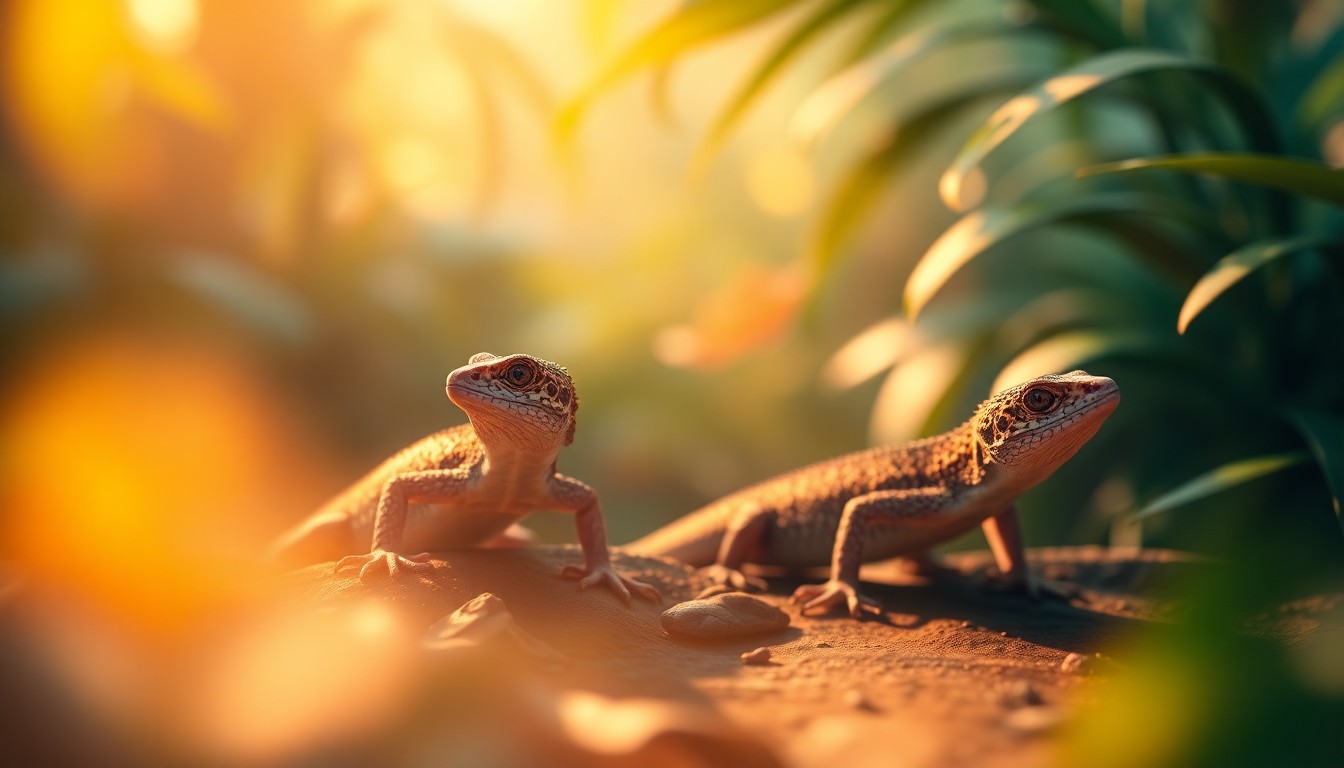 The Santa Fe College Teaching Zoo's Solomon Island skinks, Falkor and Howard, serve as educational ambassadors for their species and the importance of conservation.Gainesville Today
The Santa Fe College Teaching Zoo is home to the world's largest skink species, the Solomon Island skink. Two of these impressive reptiles, named Falkor and Howard, are featured as education animals at the zoo, where staff use them to teach visitors about the skinks' unique traits and adaptations, as well as the importance of conservation efforts to protect these exotic pets from the illegal wildlife trade.
Why it matters
The Solomon Island skink is a fascinating species that highlights the incredible biodiversity found in tropical environments. By showcasing these animals at the teaching zoo, the staff can educate the public about the importance of protecting vulnerable wildlife and the challenges of caring for exotic pets, which are often in high demand but require specialized environments to thrive.
The details
Falkor and Howard have distinct personalities, with Falkor being the more docile and cooperative skink, while Howard is more active and tends to hide under logs. The skinks' camouflage and prehensile tails are among their most remarkable adaptations, allowing them to blend in with their surroundings and grip onto branches. The zoo staff must carefully monitor the skinks' environment, ensuring the proper temperature and humidity levels, as well as closely observing their periodic skin shedding to prevent any health issues.
- The Santa Fe College Teaching Zoo is home to the Solomon Island skinks year-round.
- The skinks shed their skin once or twice a month, a process that requires close monitoring by the zoo staff.
The players
Falkor
One of the Solomon Island skinks at the Santa Fe College Teaching Zoo, known for being the more docile and cooperative of the two featured skinks.
Howard
The other Solomon Island skink at the Santa Fe College Teaching Zoo, who is more active and tends to hide under logs.
Thali Delchiaro
A student keeper at the Santa Fe College Teaching Zoo who provides information about the care and behavior of the Solomon Island skinks.
Santa Fe College Teaching Zoo
A zoo located in Gainesville, Florida that serves as an educational facility, showcasing various animal species and their adaptations.
What they’re saying
“Falkor is pretty much the chill one, so when keepers are starting here in the new area and they want to get checked off on holding skinks, she's actually the one that we go to just because once you hold her, she just kind of lays in your hand there, she doesn't really move around as much.”
— Thali Delchiaro, Student Keeper
“Howard over here is always 50-50. Normally, you're going to see him on the ground, which is usually very rare for skinks, but he's always going to be on the ground hiding under a log.”
— Thali Delchiaro, Student Keeper
What’s next
The Santa Fe College Teaching Zoo continues to educate visitors about the Solomon Island skinks and the importance of conservation efforts to protect these exotic animals from the illegal wildlife trade.
The takeaway
The Solomon Island skinks at the Santa Fe College Teaching Zoo serve as ambassadors for their species, highlighting the incredible diversity of the natural world and the need to protect vulnerable wildlife from the threats of the exotic pet trade.
Gainesville top stories


Gainesville events

Apr. 16, 2026
Spring Into Dance!